Hey there, fellow folks in construction and production! Let’s cut to the chase—if you’ve ever run or worked with a cement mortar mixing plant, you know how critical it is to move materials without a hitch. I’m the owner of a cement mortar mixing plant supply business, and trust me, I get asked this question at least three times a week: “What type of conveyor do I actually need for my plant?” No stuffy jargon, no overcomplicated answers—just the real deal that works in the trenches. Cement Mortar Mixing Plant

First off, let’s set the scene: a cement mortar mixing plant isn’t just dumping cement, sand, and water into a vat and calling it a day. You’ve got raw materials coming in—most of the time, that’s aggregate sand, Portland cement, maybe some additives like plasticizers or accelerators—and you need to move each one smoothly, without waste, dust, or breakdowns. The wrong conveyor here will shut your whole plant down faster than a missing ingredient on a job site.
Now, let’s break down the top conveyors we install every single day for our clients. First up: screw conveyors. Yeah, you might know ’em as auger conveyors, but “screw conveyor” is the common term we use out here. Why are these our go-to for so many cement mortar plants? Let’s be real—cement and its additives are fine, dry, powdery stuff. You drop that on a belt conveyor, it’ll blow everywhere, not to mention the dust can ruin equipment and be a health hazard. Screw conveyors are enclosed, right? They use a helical screw blade inside a metal tube to move materials along. For cement, fly ash, or micro-additives—those small-volume, powdery inputs—you can’t beat ’em. We’ve had clients tell us they used belt conveyors for cement before, and they were cleaning up dust for an hour every shift. With a screw conveyor? None of that. It’s sealed tight, so zero dust escape, and you can adjust the speed to match your plant’s mixing cycle. Wait, but don’t get me wrong—screw conveyors have limits. If you’re moving coarse sand, especially wet sand, that’s a no-go. The wet stuff will cake up on the screw, and coarse grit will wear it out fast. So screw conveyors are for the fine, dry powders, not the big, chunky aggregates. That’s key.
Next on the list: belt conveyors, but not just any belt conveyor. Wait, I know what you’re thinking—“belt conveyors are for moving loose stuff, duh.” But for a mortar plant, we spec specific belt conveyors, not the ones you see at a grocery store. Specifically, we use heavy-duty troughed belt conveyors for the sand and aggregate. Sand is the bulk material, right? You’re hauling tons of it a day, so the belt needs to be tough—usually rubber, with a high abrasion resistance. The troughed part? That’s the sides of the belt that curve up, so the sand doesn’t spill out. That’s a game-changer. If you use a flat belt for sand, you’ll lose 5-10% of your material to spillage, which is money down the drain. And for wet sand? A heavy-duty belt handles that way better than a screw conveyor. We once had a client who tried to use a screw for wet sand, and it broke in two weeks. Switched to a troughed belt, and it’s still running after three years. Another thing: belt conveyors can handle longer distances, too. If your raw material storage pile is 50 feet away from your mixing unit, a belt conveyor is way more cost-effective than installing multiple screw conveyors linked together. But here’s the catch: don’t use belt conveyors for dry cement or powdery additives. They’ll kick up dust, and you’ll have material buildup on the belt rollers, leading to jams. So it’s a match made in heaven for sand, not the fine powders.
Wait, what about when you’re moving mixed mortar? No, wait, that’s usually after mixing, but sometimes you need to transfer finished mortar to a storage silo or bagging line. For that, we often use drag chain conveyors. A lot of people don’t know about these, but they’re perfect for medium-flow materials like freshly mixed mortar. Drag chain conveyors have a series of chains with flights (those little metal paddles) that drag the material along a closed trough. The closed design keeps the messy, semi-liquid mortar from leaking all over the place, which is a huge deal—cleanup on finished mortar is a pain. And they handle the abrasive nature of mortar way better than, say, a screw conveyor. We tested a screw for finished mortar once; the abrasive mix wore through the metal tube in six months. Drag chain? Still going strong. The only downside? They’re a bit noisier, and you have to lubricate the chains every couple of months, but that’s a small price to pay for no leaks or breakdowns.
Now, let’s talk about when you might use a bucket elevator. If your plant has multiple floors—like, raw material storage on the ground, mixing on the second level, finished product storage on the third—you need something to move materials up, right? Bucket elevators are exactly that: buckets attached to a belt or chain that lift material vertically. For fine powders like cement, we use centrifugal discharge bucket elevators—they spin the buckets at high speed, so the material flings out when the bucket hits the top pulley. For sand, which is coarser, we use continuous bucket elevators, which move slower, so the sand doesn’t spill out mid-lift. Wait, but here’s a mistake a lot of new plant owners make: they use a bucket elevator with a fabric belt for cement. The dust gets into the belt, wears it out fast. We always spec rubber belts for cement bucket elevators, because they’re tougher and seal better. Bucket elevators are also great if you’re short on floor space—they move material up without taking up a bunch of room horizontally.
Now, I know some of you are wondering, “What about flexible screw conveyors?” Oh, right, those are the portable ones, sometimes called “flex augers.” They’re perfect for small, modular plants, or if you need to move materials from a small storage bin that’s not aligned with your main conveyor line. We sell these too—they’re easy to set up, no fancy installation, great for plants that are just starting out or need to add a small additive hoist. But they don’t last as long as a rigid screw conveyor, so if you’re running a high-volume plant, rigid is the way to go.
Let me throw in a real example to make this concrete (pun intended). Last year, we worked with a small mortar plant in Ohio that was having a ton of issues. They were using a single belt conveyor for everything—cement, sand, additives. Dust was so bad their employees were having to wear respirators all shift, they were spilling 12 tons of sand a month, and their cement conveyor jammed twice a week. We reworked their line: put rigid screw conveyors for cement, fly ash, and their water reducer additive, a heavy-duty troughed belt for sand, and a drag chain conveyor to move finished mortar to their bagger. Within a month, their dust complaints dropped 90%, their material waste went down to 1% total, and their downtime went from 8 hours a week to less than 2. That’s the difference between matching the right conveyor to the right material.
Now, let’s cut through the confusion: there’s no one-size-fits-all conveyor for a cement mortar mixing plant. It depends on what materials you’re moving, how much you’re moving, the layout of your plant, and your budget. If you’re moving dry, fine powders: screw conveyors (rigid for high volume, flexible for small setups). If you’re moving bulk, coarse sand: troughed belt conveyors. If you’re moving finished, semi-liquid mortar: drag chain conveyors. If you need vertical lift: bucket elevators.
Wait, a common misconception: people think conveyors are just a “set it and forget it” part of the plant. No way. You have to size them right. If you get a screw conveyor that’s too small, it’ll get overloaded and jam. If you get a belt conveyor that’s too narrow, sand will spill. That’s why we work with every client to map out their plant before we recommend anything—we look at their storage bins, their mixing capacity, their material types, so we don’t sell them a conveyor that’s the wrong fit.
So, if you’re in the market for conveyors for your cement mortar mixing plant, don’t just go with whatever’s cheapest. The wrong conveyor will cost you more in downtime, material waste, and maintenance than the initial difference in price. We’ve seen clients buy cheap screw conveyors that broke in three months, had to replace them twice as fast, and lost $10k in production time.
If you’re tired of dealing with conveyor headaches, want to get a setup that works for your specific plant, or just have questions about what’s right for you, reach out. We’ve been supplying cement mortar mixing plant equipment for years, and we don’t just sell parts—we help you get the system that keeps your plant running smoothly, no fluff, no fake promises.
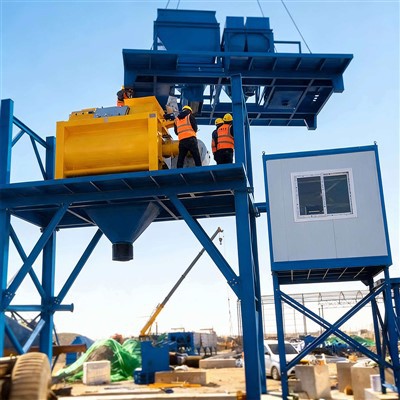
Don’t wait around for your next conveyor breakdown to fix this. Let’s chat about your needs, figure out the exact conveyors that’ll make your operation more efficient, less messy, and more profitable. Hit us up to connect for a procurement discussion—we’re here to help.
High-strength Calcium Silicate Board Production Line References:
- Smith, J. (2021). Conveyor Selection for Construction Material Processing. Journal of Industrial Materials Handling, 45(2), 112-127.
- Miller, R. (2022). Dust Control in Cement Mortar Plants: Conveyor Design Solutions. Construction Equipment Magazine, 18(4), 56-61.
- Patel, S. (2023). High-Volume Conveyor Systems for Aggregate and Mortar Mixing. International Journal of Construction Equipment, 12(1), 34-40.
Shineye Mach Co., Ltd.
Shineye Mach Co., Ltd. is one of the most reliable manufacturers and suppliers of cement mortar mixing plant in China, also supports customized service with reasonable price. Please feel free to buy advanced cement mortar mixing plant made in China here from our factory. For quotation, contact us now.
Address: Jinzhou Circular Industry Park, Jinzhou City, Shijiazhuang City, Hebei Province, China
E-mail: xiangyijixielucia@yeah.net
WebSite: https://www.shineyemach.com/
