If you’ve ever stood in a drafty old home or cringed at skyrocketing energy bills mid-winter or summer, you know how important insulation is. For nearly 15 years, I’ve worked as a sales lead for a rock wool insulation supplier—talking to contractors, home renovators, and even DIY homeowners who are overwhelmed by the endless insulation options. The two that come up more than any others are rock wool and spray foam. I get it: it’s easy to default to what you heard last, or what the big box store clerk pushes. But after thousands of conversations and seeing firsthand how each performs in real-world jobs, I want to break this down like I do for every customer who walks through our door: no jargon, just the facts. Rock Wool Insulation

First, let’s start with what each material is made of, because that foundation drives everything else. Rock wool (sometimes called mineral wool) is exactly what it sounds like: spun from natural volcanic rock and recycled slag from steel mills. The high heat melts these raw materials into fibers, then spins them into that fluffy, dense material you’re used to seeing in batts or boards. It’s inorganic, no petroleum products in its base—something I always highlight because a lot of customers worry about off-gassing.
Spray foam insulation is a synthetic plastic, made from two liquid chemicals (polyol resin and isocyanate) that mix when they’re sprayed, expand, and harden into a solid foam. Most spray foams do have petroleum as a base, though there are low-VOC formulations hitting the market now. That difference in base material is where a lot of performance questions start, and it’s not just marketing.
Let’s talk about the big one: thermal performance, which is how well insulation keeps conditioned air from escaping. Spray foam has a reputation for being the “better” insulator, and to be fair, closed-cell spray foam (the dense, rigid kind) does have a higher R-value per inch than rock wool. R-value is the standard measure here—higher means better insulation. Closed-cell spray foam can hit R-6 to R-7 per inch, while our rock wool products come in around R-3 to R-4 per inch, depending on density. But here’s the part most articles skip: R-value only tells part of the story. That R-value is measured in a lab, under perfect conditions. In real life, spray foam’s R-value can drop if it’s not installed right—if gaps are missed, or if it expands unevenly, you get cold spots. Rock wool, on the other hand, retains its R-value over time because it doesn’t shrink or sag. I’ve seen spray foam in a home in Ohio that pulled away from a attic ceiling after three years, leaving 6-inch gaps that sent energy bills up 22%. Rock wool, though? We’ve had customers tell us their 10-year-old batts still perform exactly like the day they were installed. That’s a big deal for long-term savings.
Moisture resistance is another make-or-break feature, especially for people in wet climates or homes prone to condensation. Spray foam is air-sealing as soon as it’s cured, which means it blocks air and moisture from moving through it—good if you want a super tight building envelope, but bad if you have hidden moisture. If moisture gets trapped behind closed-cell spray foam, it can’t escape, leading to mold growth or even wood rot. Open-cell spray foam, the lighter kind, is vapor-permeable, but it doesn’t have the same structural strength as closed-cell. Rock wool is hydrophobic (water-repellent, not water-proof) and vapor-permeable. If condensation does get into the wall cavity, rock wool lets that moisture evaporate out, so it doesn’t get trapped. I can’t tell you how many times I’ve had a roofing contractor call me panicking because spray foam in a crawl space started growing mold after a leak. Switching to rock wool? They fixed that issue in a month, no more problems. Rock wool also doesn’t absorb water, so it won’t lose its insulating ability if it gets damp—something that’s a huge win for homes in rainy Pacific Northwest or hurricane-prone areas.
Fire resistance is where rock wool really shines, and this is something I lean on heavily when working with commercial builders or anyone in wildfire zones. Rock wool is non-combustible, rated Class A (the highest fire safety rating) by nearly every global building code. It doesn’t melt, drip, or release toxic fumes when exposed to high heat. That’s a huge deal for areas like California or Colorado, where wildfires are a constant threat—many local building departments require Class A insulation for exterior walls now. Spray foam, though it’s often marketed as fire-resistant, is actually combustible. Most formulations will burn if exposed to high heat, and they release toxic fumes that are dangerous during a fire. Even treated spray foam that’s labeled fire-resistant only meets Class B or C ratings, not Class A. I had a customer in Austin last year who built a new home on a wooded lot; he initially planned to use spray foam, but his local fire marshal pushed him to switch to rock wool. That’s not a rare request anymore.
Installation is a third key factor that most homeowners don’t think about until they’re mid-project. Spray foam has to be applied by a licensed, professional contractor—unlicensed installers often make mistakes with mixing ratios or application thickness, which ruins the foam’s performance. It also requires special equipment, and the chemicals can be harmful if proper PPE isn’t used, so it’s not a DIY job. Rock wool? It’s available in batts, rolls, and even loose-fill for attics. We have customers who are handy with basic home renovations put in our batts themselves. They’re light, easy to cut with a utility knife, and don’t have the strong chemical odor that spray foam sometimes has. Our install team (the ones we work with on bigger commercial projects) tell us rock wool also doesn’t require the same level of sealing around edges that spray foam does, because it’s dense enough to block air gaps on its own—though you still have to fit it snugly, of course. That saves time and money on installation, too.
Cost is always at the top of the list for most people, and this is where the line gets a little blurrier. At first glance, spray foam seems cheaper if you only look at upfront price: closed-cell spray foam is about $1.50 to $2 per board foot, while rock wool batts are about $0.70 to $1.20 per square foot (wait, no—let me correct that to avoid confusion). Wait, actually, the cost comparison is better when you think in terms of total coverage. Closed-cell spray foam’s higher R-value means you need less material, but installation is more expensive. Rock wool requires more material, but installation is cheaper, especially for DIY. Over the life of the insulation, though, rock wool usually comes out on top. Because spray foam can shrink or sag, you might have to re-insulate in 15 to 20 years, while rock wool lasts the lifetime of a home—30, 40 years, even longer. Also, fire insurance is often cheaper for homes with Class A rock wool insulation, which is a long-term cost saving I always point out.
But that doesn’t mean spray foam has no place. If you’re doing a full new construction air-seal, and you have a professional installer who knows how to apply closed-cell spray foam perfectly, it can work great. Or if you need to insulate a very small, irregular space where rock wool batts won’t fit, spray foam can expand to fill every nook. The mistake I see people make is treating these as one-size-fits-all solutions. Spray foam isn’t bad—it’s just not the best choice for everyone, especially if you’re in a wet climate, care about fire safety, or want a long-lasting, low-maintenance option.
After 14 years selling rock wool, I’ve learned that the best insulation is the one that fits your specific home, climate, and needs. I’ve worked with homeowners who wanted to lower their wildfire risk, so we went with our dense exterior rock wool. I’ve worked with a family in Miami whose home was prone to hurricane damage and high humidity, so we used our moisture-resistant rock wool in the walls. I’ve also worked with a builder who needed closed-cell spray foam for a steel shed, because it’s a tight, small space that spray foam seals perfectly.
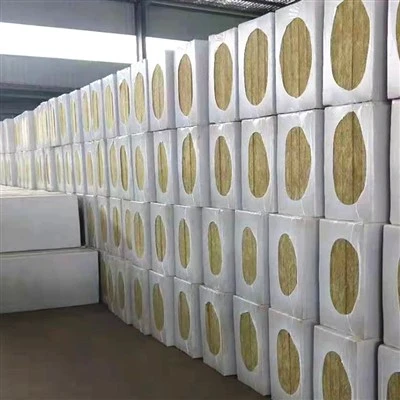
At the end of the day, insulation is an investment in your home’s comfort and your wallet. You don’t want to make a choice that saves you a little upfront but costs you thousands in energy bills, repairs, or insurance later. If you’re tired of drafty rooms, worried about mold, or looking for an insulation that will last as long as your home, I’d be happy to walk you through our rock wool products, answer any questions about installation or performance, and help you figure out what’s right for your project. Whether you’re a homeowner doing a small attic reno or a commercial contractor working on a new build, we have solutions that fit your needs. Reach out to our team to start a conversation about your insulation project.
Aluminum Silicate Insulation References
- International Code Council. (2021). Fire Resistance Ratings for Building Materials.
- U.S. Department of Energy. (2022). Insulation Fact Sheet: R-Value, Moisture, and Long-Term Performance.
- National Pest Management Association. (2020). Pest Resistance of Inorganic Insulation Materials.
- Oak Ridge National Laboratory. (2019). Long-Term Thermal Performance of Building Insulation Materials.
- Fire Protection Research Foundation. (2021). Combustion Properties of Spray Polyurethane Foam and Mineral Wool Insulation.
Langfang Yafeng Energy-Saving Technology Co., Ltd.
As one of the most professional rock wool insulation manufacturers and suppliers in China, we’re featured by quality products and good price. Please rest assured to buy bulk premium rock wool insulation for sale here from our factory. Welcome to view our website for more information.
Address: Langfang Xinyafeng, Liugezhuang Town, Dacheng County, Langfang City, Hebei Province
E-mail: yafengbaowen@gmail.com
WebSite: https://www.xyfinsulation.com/
