Hey everyone, Sam here, and I run a PET Board supply business that’s been keeping shelves and project spaces stocked for years. Lately, I’ve been getting way more questions than usual—like, “Can your PET board actually work as a protective barrier?” With COVID hangover still hanging around, plus all the new safety rules for offices, schools, and event spaces, folks are tired of flimsy plastic dividers that crack in a week or fog up so bad you can’t see through them. So let’s cut the jargon, talk straight, and break down if our PET boards fit the bill for protective barriers. PET Board
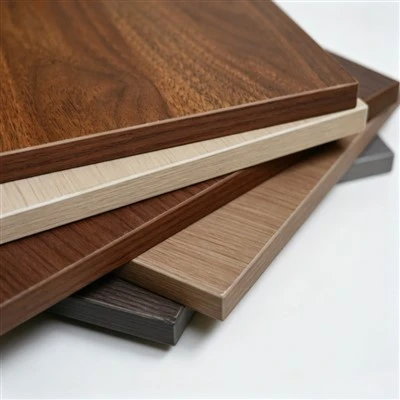
First, let’s get clear on what we’re working with, ‘cause a lot of people mix up PET board with other plastics like acrylic or PVC. PET stands for Polyethylene Terephthalate—yeah, the same stuff that makes soda bottles, but when we process it into rigid sheets, it’s a whole different animal. Our PET boards aren’t flimsy; they’re solid, come in different thicknesses (we do 1/8”, 3/16”, and 1/4” for most projects), and have that smooth, clear finish that doesn’t yellow like acrylic after a few months.
Now, the big question: “protective barriers” usually means two things—physical protection to block splatters, droplets, or small debris, and enough durability to last without constant repairs. Let’s start with the physical side. Our PET board has a tensile strength around 7,000 psi. For context, that’s way stiffer than the cheap thin acrylic you see at dollar stores. If someone’s spilling coffee at a café, a kid bumping a divider in a classroom, or a delivery person sliding a package over a counter—our boards hold up. They don’t shatter like glass if something heavy hits ‘em, either. That’s a huge win for places with kids, warehouse spaces, or anyone worried about sharp broken pieces.
Wait, but what about protection from droplets? I’ve had restaurant owners tell me they tried cheap vinyl barriers that stretched and let tiny airborne particles slip through. Our PET boards are a non-porous material—no holes, no gaps, nothing for droplets to seep through. That’s why so many small businesses switched to our boards last year, instead of those flimsy plastic sheets that only worked for a week. We had a café chain that put our 1/8” boards between every table, and 12 months later, they still look the same as the day we installed ‘em. No fogging, no scratches that let stuff seep through.
Durability’s another big one. I hear people say, “Acrylic is the go-to for barriers, right?” Yeah, but acrylic scratches super easy—you can’t use a scrubber to clean it without leaving marks. Our PET board has a much higher scratch resistance than standard acrylic. We’ve had office clients who use disinfectant wipes (the strong ones, with alcohol) on our boards every day, and they still look clear. Some of them have even stacked boxes on the edges when they rearrange their desks, and the boards didn’t bend or crack. Compare that to PVC, which gets brittle in cold weather—we did a project for a ski resort last winter, and their outdoor snack bar barriers held up through snow and 20-degree temps, no issues.
But hold on, I’m not here to hype our product without calling out the limits, ‘cause that’s what real businesses need to know. Our PET board isn’t the best for extreme heavy-duty stuff—like if you’re building a barrier for a loading dock where forklifts might brush it, you’d want a thicker HDPE board instead. For indoor barriers, though—counters, classroom dividers, office work stations, salon stations—this stuff is perfect. Also, it’s not bulletproof, obvi. If someone’s trying to break through it with a sledgehammer, nothing’s gonna stop that, but for its intended use, it’s way more than enough.
Another thing people sleep on: sustainability. A lot of clients care about that now, and our PET boards are made from recycled PET materials—we use about 85% post-consumer plastic to make every sheet. When the barriers at a coffee shop need replacing a few years down the line, the old boards can be recycled again, no waste from cracked acrylic that ends up in a landfill. That’s a big sell for schools and small businesses trying to keep their green goals on track. We even had a middle district that chose our boards over other materials ‘cause their students could learn about recycling through the project.
I’ve gotten a bunch of questions about installation, too. A lot of folks think rigid boards are hard to work with, but our PET sheets cut, drill, and attach super easily. You can use regular woodworking tools—jigsaws, drill bits—no special equipment needed. Most of our clients install their own dividers in an hour or two, which saves them money on contractors. We sell edge strips and adhesive tapes made specifically for our boards, so you don’t have to guess what works.
Wait, let’s talk about real-life examples. Last year, a dental clinic reached out ‘cause their old acrylic barriers were fogging so bad during sterilization, the dentists couldn’t read patient charts. They switched to our 3/16” clear PET boards, and their staff said they haven’t had fogging issues since. The boards are also easy to wipe down with the strong disinfectants dental offices need, which was a non-negotiable for them. Another client was a festival organizer who needed temporary barriers for their food stalls. They used our lightweight PET boards that folded flat for storage between events, and they’re still using them this year—no cracks, no warping.
Now, let’s be honest—no material is perfect. If you’re looking for a barrier that can handle repeated heavy impacts, go with a thicker material, but for 90% of the projects I see, PET board is the sweet spot. It’s cheaper than acrylic, more durable, easier to clean, and better for the environment. I’ve turned down a few clients who thought they needed something stronger, but for what they were actually doing, our PET board worked way better than the more expensive acrylic.
If you’re reading this and you’re thinking, “Yeah, this fits what I need,” hit me up to chat. I don’t do fancy sales pitches—just tell me what you’re building, how big you need the boards, and what environment they’ll be in, and I’ll hook you up with the right thickness and quantity. Whether you’re a small café needing 10 dividers or a big office needing 50 sheets, I’ve got stock ready to go. No hoops, no weird contracts, just straight-up supply for a product that actually works as a protective barrier.
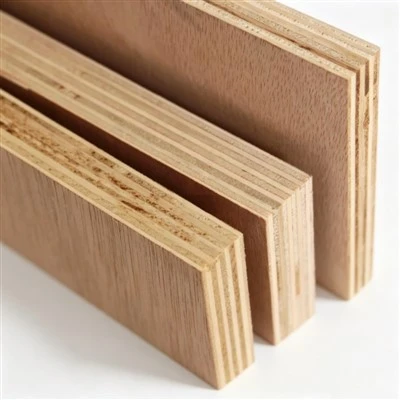
When you’re picking a barrier material, you don’t want something that looks good for a month and then falls apart. You want something that’s going to keep your space safe, stand up to daily use, and not break the bank. Our PET board checks all those boxes, and I’ve seen it work for hundreds of businesses over the past few years. Don’t just take my word for it—look at the projects I’ve done, ask other clients, and then reach out to me to get started. We can get samples to you next day, so you can see the clarity and durability for yourself.
Melamine Blockboard References
- Polyethylene Terephthalate (PET) Properties and Applications. Modern Plastics Encyclopedia, 2022.
- Rigid Plastic Barriers: Durability and Infection Control in Commercial Spaces. Journal of Workplace Safety, 2023.
- Recycled PET for Commercial Packaging and Safety Products. Sustainable Materials Report, 2021.
Jiangshan Shunlong Wood Industry Co., Ltd.
As one of the most professional pet board manufacturers and suppliers in China, our products have good reputation in the market. Please feel free to wholesale bulk pet board in stock here and get quotation from our factory. We also accept customized orders.
Address: No.7 Jinfeng Road, Jintangshan Industrial Zone, Hecun Town, Jiangshan City, Quzhou City, Zhejiang Province
E-mail: 17858202655@163.com
WebSite: https://www.shunlongwood.com/
