Alright, let’s cut the crap. If you’re here scrolling because you just blew $80 on a pair of “sports sunglasses” from a gas station and now your eyes are burning like you stared straight at the sun for 10 minutes… you’re not alone. I’ve been in the sport sunglasses game for years, and let’s be real—so many people pick these things like they’re grabbing random water bottles for a hike. No rhyme, no reason, just whatever looks cool with their jersey. Sport Sunglasses
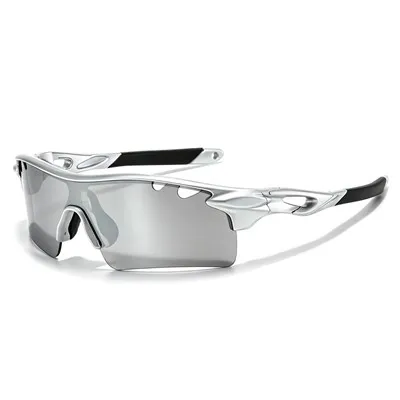
But here’s the thing: your eyes are way more important than matching your neon socks. Whether you’re hammering out miles on a road bike, scrambling up a trail run, or even just playing beach volleyball on the weekends, cheap sunglasses don’t just look flimsy—they can actually mess with your vision long-term. And since I’m not here to sell you garbage, let’s break this down like we’re chatting at a post-workout coffee (extra oat milk, obvi).
First off, let’s talk lenses. This isn’t just about how dark they are. I see so many people grab the darkest pair in the display and call it a day… big mistake. Dark lenses don’t equal proper UV protection. That’s a myth older than my first pair of beat-up running shoes. The real deal is UV 400 protection—look for that stamp, okay? That blocks 100% of UVA and UVB rays, same as a high-quality sunscreen. But here’s the kicker: some cheap lenses will darken when exposed to sun, but they only block UV half the time, or they scratch so easy that after a month they’re basically useless. We use polycarbonate lenses for most of our sport pairs, and here’s why—they’re impact-resistant. If a rock kicks up on a trail, or a tennis ball nicks your face, you don’t want a shard of plastic flying at your eye. Polycarbonate takes that hit way better than glass, and it’s lightweight too, so your ears won’t be killing you after a 5-hour ride.
Then there’s lens tint. This is where it gets specific to your sport and conditions, not just “looks cool.” Let’s break it down: if you’re riding or running in bright, direct sunlight (like midday summer), go for a gray or brown tint. Gray is perfect because it doesn’t mess with color perception—you’ll still see a stop sign red, or a fellow runner’s neon vest green, which is huge for safety. Brown tints boost contrast, so if you’re on a trail with uneven terrain, that extra contrast helps you spot roots or rocks way faster. Now, if you’re doing something like fishing or skiing, where there’s glare off water or snow, polarized lenses are your best friend. Wait—before you roll your eyes and think “polarized is just a buzzword,” hear me out. Polarized lenses block that horizontal glare bouncing off surfaces, so you’re not squinting so bad you get a headache. But here’s the catch: polarized lenses can make digital screens (like your bike computer or phone) look all wonky sometimes. If you’re constantly checking your stats mid-ride, maybe test a polarized pair first before buying. And if you’re playing indoor sports like basketball or even cycling on overcast days, go for a lighter amber or yellow tint—they boost contrast without making it too dark, so you can still judge where you’re going without tripping over your own feet.
Next up: frame fit and design. This is make-or-break for sport sunglasses. If they slide down your nose every time you sweat, or the arms dig into your temples so bad you have to take them off after 20 minutes, they’re useless. I see so many people pick frames based on how they look, not how they perform. For active folks, you need something that stays put. Look for frames with adjustable nose pads—silicone ones work best, because they grip when you sweat, not slide. And the arms (the parts that go over your ears) should have a little curve, not just straight plastic. That curved design (we call it “wrap-fit” in the biz) hugs the back of your ear, so even when you’re sprinting or mountain biking, they’re not flying off. Also, think about the size of the lens wrap. If you’re doing a sport where wind is a thing (road cycling, running), a bigger wrap around the sides blocks that wind and dust from getting in your eyes. No more tearing up mid-workout because a gust of wind hit you square in the face. Pro tip: if you have a wider face, don’t get a pair meant for a narrow skateboarder—look for “wide fit” frames. We have a few styles that’re designed for bigger faces, and trust me, nothing’s worse than squeezing into a pair that pinches your cheeks.
Wait, let’s talk about a thing I hate: foggy lenses. Nothing kills a good ride or run faster than your lenses fogging up so bad you can’t see. So what causes that? Bad ventilation. Frames that have little gaps between the lens and frame (not sealed all tight) let air flow through, which stops that condensation. Some newer styles even have small vents on the top or bottom, which is chef’s kiss for high-intensity workouts where you’re sweating buckets. Avoid frames that completely seal the lens—they might look sleek, but they’ll fog up faster than a bathroom mirror after a hot shower. And if you’re doing cold-weather sports like skiing, that fog issue gets even worse, so ventilation is non-negotiable there.
Another big one: scratch resistance. You don’t want to spend $100 on sunglasses only to have a tiny scratch on the first time you rub your eye after a sweat run. Look for lenses with a hard coat or anti-scratch treatment. We coat all our sport lenses with a durable layer that stands up to being stuffed in your running belt, rubbed against your jersey, or kicked by a stray rock. Cheap lenses will scratch in like two weeks, making it hard to see, especially in bright light. And don’t even get me started on smudges—look for an anti-reflective (AR) coating too. That cuts down on glare from other sources (like car headlights if you’re doing a sunset ride) and makes it way easier to wipe off fingerprints or sunscreen smudges without leaving streaks.
Wait, let’s get real about price. I know it’s tempting to go for the $20 pair at the big box store, but ask yourself: how often do you use your sport sunglasses? If you’re out 3+ times a week, investing $80-$150 is worth it compared to replacing that $20 pair every month. Those cheap pairs might have UV protection (sometimes) but they don’t have the impact resistance, fit, or scratch protection you need. We’ve had customers come back and say they bought a cheap pair that broke after a single trail run, and then bought our pair that’s lasted them two years. That’s the value, right? Not wasting money on junk.
Also, let’s think about specific sports, because one size doesn’t fit all. If you’re a cyclist, you want a more aerodynamic frame, not too bulky, and lenses that wrap all the way around to block wind. If you’re a runner, lightweight is key—you don’t want something heavy bouncing on your nose. Trail runners might want a slightly more flexible frame, because sometimes you’re ducking branches and bending your head down. If you’re playing water sports (surfing, kayaking), look for frames that float—so if you drop them in the water, they don’t sink and get lost. That’s a feature we added to our water sport line a while back, and it’s been a game-changer for people who’ve dropped their glasses in a lake or ocean.
Let’s circle back to the mistakes I see people make all the time. First, assuming all sport sunglasses are the same. They’re not—they’re designed for specific activities, so don’t grab a pair meant for golf and use them for trail running. Second, skipping the UV check. If there’s no stamp that says UV 400, put it back. Period. Third, buying online without trying them on. Fit is everything, and what looks good in a product photo might dig into your temples or slide down your nose IRL. If you can test them in a store, do that. If you’re buying online, check the return policy (we offer free returns, fyi) so you’re not stuck with a pair that doesn’t work for you.
At the end of the day, sport sunglasses aren’t just an accessory. They protect your eyes from long-term UV damage (think cataracts later in life, not just sunburn on your eyeballs), prevent injuries from impact, and make your workouts safer and more enjoyable. I’ve been where you are—scratching my head at a rack of sunglasses, wondering which one’s actually worth the cash. Now that I’m on the supplier side, I can tell you the stuff no salesperson will yell at you: it’s about fit, UV protection, lens material that stands up to your sport, and not wasting money on cheap junk that’ll die in a month.
If you’re ready to stop guessing and get a pair that works as hard as you do, we’re here to help with bulk orders too—whether you’re a local running shop looking to stock up, a team needing custom pairs for your athletes, or just a weekend warrior who wants the best for your money. No pressure, no salesy garbage, just a real chat about getting the right sport sunglasses for your adventures. Reach out whenever to chat through what you need, and we’ll hook you up with something that fits, performs, and actually lasts.

Now go grab a pair that won’t let you down when you’re crushing your next workout. Your eyes will thank you.
Acetate Glasses Frames REFERENCES
American Academy of Ophthalmology. (2023). UV Protection and Eye Health.
Optical Society of America. (2022). Impact Resistance of Polycarbonate Lenses for Sports Eyewear.
Journal of Sports Sciences. (2021). The Effect of Lens Tint on Athletic Performance and Visual Contrast.
International Organization for Standardization. (2020). ISO 12312-2:2020 Eyewear – Sunglasses and related eyewear – Part 2: Sunglasses for sports and similar activities.
Yiwu Suki Glasses Co., Ltd.
As one of the most experienced sport sunglasses manufacturers and suppliers in China, we also support customized service. We warmly welcome you to wholesale high quality sport sunglasses at competitive price from our factory. Contact us for more details.
Address: Floor 2, Building 1,No.9 Chengbei Road,Houzhai Street,Yiwu,Zhejiang,China
E-mail: alex@sukiglasses.com
WebSite: https://www.suki-glasses.com/
