Let’s keep this real, shall we? As a granite slabs supplier who’s been in the game for over a decade, I get asked this question literally every single week: “Can I install granite slabs myself?” And honestly? I don’t give a generic yes or no answer—because it’s not one-size-fits-all. I’ve watched homeowners try it and nail it, and I’ve seen others end up with chipped edges, crooked cuts, and a whole lot of regret (and a emergency call to my team to fix their mess). Let’s break this down like I’m chatting with you over a coffee (that’s the vibe I’m going for, no stuffy supplier jargon). Granite Slabs
First, let’s talk about what makes granite tricky, because that’s the core of the answer. Granite is a natural stone—formed from cooled magma deep in the Earth, so it’s dense, heavy, way harder than regular ceramic tile, and way less forgiving if you mess up. A single 2cm thick granite slab for a kitchen countertop? That’s around 13 pounds per square foot. A standard 10-foot long kitchen isle with two pieces? That’s 150+ pounds total. If you’ve never lifted something that heavy and steady it while cutting, fitting, and securing? That’s a recipe for dropped slabs, cracked edges, or even a trip to the ER (trust me, I’ve seen the photos).
Now, let’s get to the real stuff: who can actually pull this off, and who should absolutely call a pro. Let’s start with the “you might be able to do this” crowd. First, you’ve got a ton of home renovation experience—like, you’ve tiled a full bathroom, installed a floating floor, hung cabinets by yourself, and have all the tools to back that up. Not just a basic drill and level, either. We’re talking a wet saw for cutting stone (not a regular circular saw—those will just shatter granite), a diamond blade specific for stone, a vacuum for dust (granite silica dust is no joke for your lungs, even if it’s just a little), silicone or epoxy adhesive rated for heavy stone, and a level that’s accurate within 1/64 of an inch (regular levels won’t cut it, no pun intended).
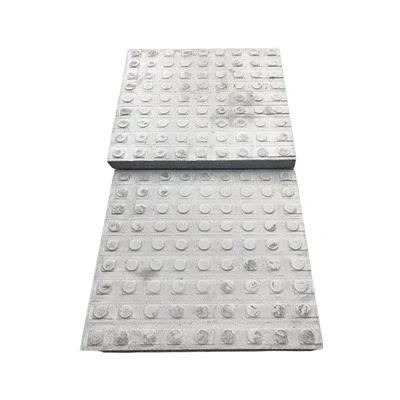
Also, if your project is small. Like, not a full kitchen countertop. A tiny vanity top? Or a small outdoor patio with standalone granite pavers? That’s doable. Pavers are thinner (usually 1-2 inches, not 2cm), lighter, and don’t need to be joined with the same precision as countertop slabs. I had a customer last year named Jake who installed a 12-foot outdoor fire pit surround with 1.5-inch granite pavers by himself—he’d done a ton of hardscaping, took his time, and it turned out amazing. But that’s way different than a kitchen countertop with a sink cutout, backsplash, and joined seams.
Wait, let’s talk about seams. That’s another big one. If you’re installing two large slabs together, you have to cut them so perfectly that the seam is almost invisible. The gap can’t be more than 1/32 of an inch—any bigger, and it’ll look like a ugly line, plus dirt and grime will get stuck there and you’ll never get it out. To do that, you need a wet saw with a fence that’s accurate, and you have to fit the slabs together multiple times, adjusting as you go. I’ve seen so many DIYers rush this part and end up with a seam that looks like a crack, not a joint.
Now, let’s get to the “skip the DIY, hire a pro” part. 9 times out of 10, this is the safer call. Let’s start with the weight thing. A standard kitchen countertop is two separate pieces joined at a seam—each piece is like lifting a full-size refrigerator. Most people don’t have a friend or two strong enough to help, and even if you do, holding that slab steady while you get it aligned with the cabinets? That’s way harder than it looks. I once had a customer who tried to lift a single 8-foot granite slab alone—he got it on the cabinets, but it slipped and cracked right at the sink cutout. He ended up having to buy a whole new slab, pay to haul the old one away, and pay a pro to install the new one. Total cost? $1,800. If he’d hired a pro in the first place, it would’ve been around $1,200 for labor. That’s a $600 mistake just because he tried to save a few bucks.
Then there’s the precision. Granite countertops aren’t just placed on top of cabinets—they have to be level, and the cabinets have to be shimmed perfectly so the entire slab doesn’t rock. If there’s even a 1/8 inch gap under the slab, it will crack under the weight of a pot of boiling water, or a big dinner plate, or just regular use. Pros have tools to check for level across the entire slab, not just a spot here and there, and they know how to shim cabinets properly. Also, when you cut a sink hole or a cooktop cutout? That’s not just a straight line. It has to be exactly sized for your specific sink or cooktop, and the edges have to be polished so they’re smooth (no sharp edges that could cut you, or gaps where water will leak under the sink). A DIYer might use a jigsaw to cut the hole, but that will leave rough edges that need to be sanded and polished—something that takes specialized tools.
Wait, let’s talk about mistakes that DIYers make that I see all the time. First, using the wrong adhesive. Some DIYers use regular silicone caulk to secure the slab to the cabinets, but regular silicone isn’t strong enough for granite. You need a modified silicone or epoxy that’s rated for stone, because granite expands and contracts a little with temperature changes, and the right adhesive will move with it. Wrong adhesive, and the slab could shift over time, leading to cracks or a loose seam.
Another big one: not accounting for overhang. If your countertop has an overhang (like for a bar or seating), you have to make sure the granite is supported properly. A pro will use corbels or extra cabinet frames under the overhang so the granite doesn’t sag or crack. A DIYer might forget that, and a few years later, you notice the overhang is dipping in the middle—total nightmare to fix.
Also, the dust. Cutting granite creates silica dust, which is super toxic if you breathe it in. Pros have wet saws that contain almost all the dust, plus they wear respirators and eye protection. A DIYer might use a regular saw without a dust collection system, and they’re inhaling dust that can cause serious lung issues over time. That’s not worth saving a few bucks for.
But wait—let’s not say DIY is impossible for everyone. Let’s say you’re a seasoned DIYer, you’re doing a small project (like a 2-foot vanity top with a single slab, no seam), you have all the right tools, and you’re willing to take your time (like, not a weekend rush, but a full week to measure, cut, fit, and secure). I once had a customer named Lisa who installed a small granite vanity in her guest bathroom—she’d done a bunch of tiling and small projects, rented a wet saw for a day, took measurements three times to make sure she got them right, and finished it in two days. It looked amazing, and she saved around $400. So it is possible, but it’s not for beginners, and it’s not for big projects.
So what’s the takeaway here? If you’re thinking about installing granite slabs, first ask yourself three questions: 1) Is my project small? (No full countertops, no multiple slabs.) 2) Do I have all the specialized tools (wet saw, diamond blade, level, stone adhesive, dust protection)? 3) Do I have the experience to use those tools correctly? If you answered yes to all three, go for it—but take your time, measure twice, cut once, and don’t be afraid to ask a pro for a second opinion on your measurements before you buy the slab. If you answered no to any of those, save yourself the stress, the cost of mistakes, and the injury risk, and call a pro.
Wait, but as a supplier, I should mention this: when you buy granite slabs from us, we don’t just sell you the stone and leave you hanging. We can connect you with trusted installers in your area, even if you end up deciding DIY isn’t for you. We know the best pros around, the ones who do high-quality work and don’t charge crazy rates. And if you do decide to go DIY, we’ll give you free tips on measuring, cutting, and sealing (wait, sealing granite! Don’t forget that—you have to seal it every 1-2 years to protect it from stains. Pros do that as part of installation, but DIYers have to remember to do it themselves.)
Let me wrap this up with a real talk note. I’ve been doing this for long enough to know that everyone wants to save money, especially on home projects. But granite is a big investment—it’s not like vinyl or laminate you can rip out and replace in a weekend. Good quality granite slabs are pricey, so you don’t want to ruin them because you tried to install them yourself. At the end of the day, if your project is bigger than a small vanity or a few pavers, hiring a pro is worth every penny. You’ll get a job done right, no stress, and it will last for decades.

If you’re ready to start shopping for granite slabs, whether you plan to install yourself or hire a pro, reach out to our team to chat through your project. We can help you pick the right granite for your space, answer any questions you have about installation, and connect you with installers if that’s what you need. No pressure, no salesy stuff—just real advice from a supplier who’s seen it all.
Granite Pavers References:
- Natural Stone Institute. (2022). DIY Installation Guidelines for Natural Stone. Retrieved from industry technical resources for residential contractors and homeowners.
- Tile Council of North America. (2021). Stone Installation Best Practices for Residential Projects.
- Occupational Safety and Health Administration (OSHA). (2020). Silica Dust Safety for Construction Workers.
Suichang Yongheng Stone Industry Co., Ltd.
With abundant experience, we are one of the most professional granite slabs manufacturers and suppliers in China. We warmly welcome you to wholesale premium granite slabs in stock here and get quotation from our factory. We also accept customized orders.
Address: Liantou Stone Industrial Park, Yunfeng Street, Suichang County, Lishui City, Zhejiang Province
E-mail: m13567645214@163.com
WebSite: https://www.yonghengstone.com/
