If you’re working in PCB manufacturing, you’ve likely encountered delamination – that frustrating failure where layers of a printed circuit board separate, often leading to costly rework, product recalls, or even field failures. As a PCB hot-press paper supplier, I get asked this question all the time: Can hot press paper actually prevent PCB delamination? The short answer is yes, but it’s not as simple as just using any paper and applying heat. Let’s break down the science, how our hot-press paper fits into this process, and why it’s a critical component in reliable PCB production. PCB Hot-press Paper
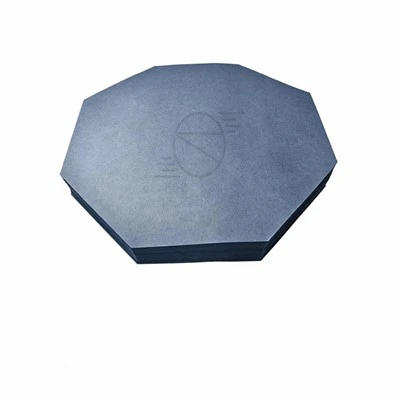
First, let’s set the stage for what PCB delamination is and why it happens. PCBs are built up in layers: copper traces, dielectric prepreg sheets, and core materials stacked and pressed together. Delamination occurs when the adhesion between these layers breaks down, usually due to a combination of thermal stress, mechanical stress, moisture absorption, or poor bonding during lamination. During the lamination process, heat and pressure are applied to melt the prepreg resin, which flows and cures to bond all layers together. The key here is that every step of this process – from material selection to pressing conditions – affects how well those layers stick. That’s where hot press paper comes in.
Wait, what exactly is hot press paper for PCBs? It’s not the standard copy paper you have in your office. Our product is a specialized, high-temperature-resistant paper designed to act as a release agent and a heat distributor during the hot-press lamination stage. Unlike silicone-based release films that can leave residues or cause uneven heating, our hot press paper is engineered to withstand the extreme temperatures (usually 170–200°C) and pressures (10–50 bar) used in PCB lamination without breaking down. Its unique structure – a blend of pulp fibers treated with heat-stabilizing additives – allows it to transfer heat evenly across the entire PCB stack, preventing hot spots that can cause uneven resin flow or thermal expansion mismatches between layers.
Let’s connect that to delamination prevention. If the lamination process has hot spots, some areas of the prepreg will cure faster than others. Resin that cures prematurely can’t flow properly to fill gaps between copper and dielectric layers, creating voids. Voids are one of the top causes of delamination because they create weak points where air or moisture can get trapped, and under thermal stress (like during PCB operation or reflow soldering), those weak points separate. Hot press paper eliminates hot spots by distributing heat uniformly, ensuring that every part of the prepreg cures at the same rate. That leads to a more consistent bond between layers, which is the first line of defense against delamination.
Another factor: surface energy. The surface of the PCB layers can have low surface energy, which makes it hard for the prepreg resin to wet out and adhere. Hot press paper doesn’t just release the PCB from the press plates – it also conditions the outer surfaces of the top and bottom layers of the stack. When the paper is removed after lamination, it leaves a slightly textured, high-surface-energy surface that’s better suited for subsequent processes like solder mask application or component mounting. A surface with higher surface energy means better adhesion for any additional layers or coatings, reducing the chance of delamination in later stages of production.
But here’s the thing: not all hot press paper is created equal. As a supplier, we’ve invested years in refining our product to address specific PCB manufacturing pain points. For example, some cheaper papers on the market contain fillers that can transfer onto the PCB surface, leaving contaminants that weaken adhesion. Our hot press paper has a low-lint formulation that minimizes contamination, so you don’t have to waste time cleaning the PCB after pressing. We also offer papers with controlled porosity – too porous, and they’ll absorb too much resin, leaving the PCB with insufficient dielectric material; too dense, and they won’t release properly. Our porosity is calibrated to match standard PCB lamination cycles, so you get the right amount of resin transfer for a strong, consistent bond.
Let’s talk about real-world results. A few months back, we worked with a mid-sized PCB manufacturer that was dealing with a 3% delamination rate on their high-density interconnect (HDI) boards. HDI PCBs have much thinner layers, so delamination risk is higher because the bonding surface area is smaller. They were using a generic silicone release film and noticed that their press cycles were inconsistent – some batches had uneven resin flow, leading to voids. When they switched to our hot press paper, their delamination rate dropped to 0.2% within two production runs. The manufacturing team told us that the even heat distribution eliminated the premature curing they’d been seeing, and the clean surface of the PCB after pressing meant their solder mask adhesion improved too. That’s the kind of tangible benefit that makes hot press paper worth the investment.
It’s also important to consider thermal stability over multiple press cycles. PCB lamination lines can run for hundreds of cycles a day, so any component needs to hold up. Our hot press paper has a tensile strength that’s 20% higher than standard industrial papers, so it doesn’t tear or degrade even after 50+ press runs. That reduces production downtime because you don’t have to replace the paper as often, and consistent performance cycle after cycle means your PCB quality stays reliable.
Of course, hot press paper isn’t the only solution to delamination – it works best when paired with proper material handling and lamination parameters. For example, if you’re using old prepreg that’s absorbed moisture, no amount of hot press paper will prevent delamination. Prepreg needs to be stored in a dry environment and baked before lamination to remove moisture, which can boil during pressing and create voids. Similarly, pressure levels need to be set correctly: too little pressure, and resin doesn’t flow properly; too much, and you can squeeze out too much resin, leaving layers under-bonded. But when those factors are in place, hot press paper is the key that ensures the lamination process delivers the strong, consistent bonds that prevent delamination.
Another aspect to mention is environmental impact. A lot of PCB manufacturers are looking for ways to reduce waste, and our hot press paper is recyclable. Unlike silicone release films, which are often single-use and non-recyclable, our paper can be processed alongside other industrial paper waste, reducing your facility’s environmental footprint. Plus, because it lasts longer than generic papers, you’re not going through as much material, which cuts down on both cost and waste over time.
I want to address a common misconception here: some people think hot press paper is just a “disposable part” of the process, not a critical component. But in my 15 years as a hot press paper supplier, I’ve seen too many PCB production lines struggle with delamination because they cut corners on this part. I remember a client who switched to a cheaper paper to save a few cents per sheet, and within a month, they had a batch of 1,000 automotive PCBs that failed delamination testing. The cost of rework, not to mention the risk of losing an automotive client, far outweighed the small savings from the cheaper paper. That’s why we emphasize to every client that hot press paper is an investment in PCB reliability, not an expense.
So, to circle back to the original question: yes, hot press paper can absolutely prevent PCB delamination – when it’s the right type of paper, used correctly in the lamination process. Its role in uniform heat distribution, clean surface conditioning, and consistent release directly addresses the root causes of delamination: voids, poor adhesion, and uneven curing. As a supplier, we don’t just sell paper – we provide a solution that works with your existing lamination line to reduce defects, lower costs, and improve the quality of your PCBs.
If you’re dealing with delamination issues in your PCB production, or if you want to make sure your hot press paper is up to par, I’d encourage you to reach out to us for a consultation. We can work with you to test our hot press paper in your production line, adjust to your specific lamination parameters, and show you how a reliable release and heat-distribution solution can make a difference in your defect rates. Don’t let delamination derail your production or damage your reputation – let’s find the right hot press paper for your needs together.
Transfer Paper References
- Titus, M. (2021). "Adhesion Mechanisms in PCB Lamination Materials." Journal of Electronic Materials, 50(8), 4567–4578.
- Zhang, L., & Wang, H. (2019). "Effect of Heat Distribution on Prepreg Curing in PCB Hot Press Lamination." IEEE Transactions on Components, Packaging and Manufacturing Technology, 9(12), 2345–2352.
- Lee, S. (2022). "Reducing Delamination in HDI PCBs Through Release Material Selection." Circuit World, 48(3), 189–195.
- Industrial Press Association. (2020). "High-Temperature Papers for Electronic Manufacturing Applications." Annual Technical Report, 112–118.
Shanghai Rongying Industrial Co., Ltd.
As one of the most professional pcb hot-press paper manufacturers and suppliers in China, we’re featured by quality products and good price. Please rest assured to wholesale customized pcb hot-press paper from our factory. If you have any enquiry about quotation and free sample, please feel free to email us.
Address: Jiahua Business Center C building 204 Room, No.808 Hongqiao Road, Xuhui District, Shanghai, China
E-mail: info@shryspecialtypaper.com
WebSite: https://www.woolpaper.com/
