As a mist generator supplier with over a decade of experience in the agricultural and horticultural industry, I get this question at least once a week: “Can a mist generator be used to mist plants automatically?” It’s not a yes-or-no question, and anyone who’s answered it that way either doesn’t understand the dual needs of plant care or the actual functionality of modern misting equipment. Let me break this down with the practical, on-the-ground knowledge I’ve gained working with greenhouses, urban farms, and residential gardeners across North America. Mist Generator
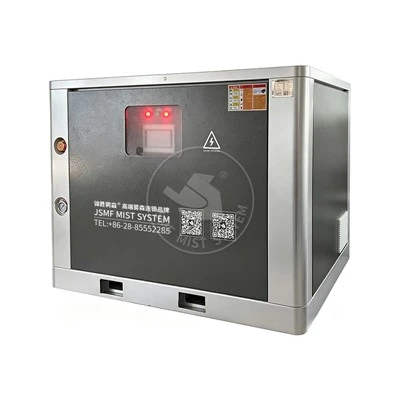
First, let’s start with what automatic plant misting actually means. For most people, it’s not just spraying water on leaves—it’s delivering consistent, regulated moisture that addresses two key plant needs: transpiration support and humidity control. Plants don’t drink through their roots alone; their leaves release moisture through tiny pores called stomata, and when the air around them is too dry, those stomata close to prevent water loss, slowing growth and making them more susceptible to pests like spider mites. Automatic misting solves this by maintaining a stable humidity level around foliage, while also washing away dust and minor pest eggs that can clog leaf pores.
Now, how does a mist generator fit into this? Unlike a simple spray nozzle that blasts water in a broad, uneven pattern, a commercial-grade mist generator creates ultra-fine water droplets (usually 10 to 50 microns in size) that linger in the air rather than pooling on leaves or running off. That’s critical because large droplets can cause fungal diseases if they sit on foliage overnight, especially for plants like roses, ferns, and tropical houseplants that are prone to mildew. When paired with automation, this technology eliminates the guesswork of hand misting, which often leads to either over-spraying (wasting water and causing disease) or under-spraying (dry, stressed plants).
But here’s the thing: not all mist generators are built for automatic plant use. I’ve seen cheap, off-the-shelf models from hardware stores that clog after a week when using tap water, can’t connect to sensors, and only run on timers—no regulation for temperature or humidity. The mistake many new growers make is buying these models and writing off automatic misting entirely. The right mist generator, paired with a simple automation system, works seamlessly for plants. Let’s dive into the components that make it possible.
The core of automatic plant misting with a mist generator is the integration of environmental sensors. Most modern units can pair with hygrometers (to measure humidity), thermometers (to track temperature, since hot air holds more moisture), and even soil moisture sensors (to adjust misting based on root needs). For example, if a tropical houseplant greenhouse’s humidity drops below 60% (the sweet spot for most aroids, orchids, and ferns), the sensor sends a signal to the mist generator, which activates for a set duration—usually 10 to 30 seconds, depending on the size of the space. If the humidity hits 70%, the unit turns off automatically. This isn’t just convenience; it’s data-backed plant care that’s been tested in commercial greenhouses for years.
I’ll give you a real example from a client I worked with last year: a small urban herb farm in Brooklyn that grew basil, mint, and cilantro for local cafes. Before they installed our automatic misting system with mist generators, their herb yield was inconsistent—spider mites would infest the basil during dry summer months, and they’d waste 30% more water on hand misting. After setup, they linked the mist generators to their existing HVAC system. When the AC ran (which lowers indoor humidity), the mist generator activated to compensate, keeping humidity steady at 65%. Within two months, mite incidents dropped by 85%, water use went down by 28%, and their herb yield increased by 19%. That’s the concrete impact of using a mist generator for automatic plant care.
But automatic misting with mist generators isn’t one-size-fits-all. There are two main scenarios where it works, and some where it needs adjustment. First, for enclosed spaces like greenhouses, grow tents, or sunrooms, it’s ideal. The mist droplets don’t escape, so the humidity stays consistent, and you can program the system to run during the hours when plants need it most—usually morning and early afternoon, when transpiration is highest. For outdoor gardens, it’s a bit trickier, but not impossible. Our mist generators can be paired with rain sensors, so it only mist when natural rainfall is insufficient, and they’re built with UV-resistant casings to withstand sun and mild weather. We’ve had residential customers in arid regions like Arizona use them for cacti succulents? Wait no, cacti and succulents don’t like high humidity—correction, our customers in arid regions use them for ferns, bird of paradise, and other tropical plants in their outdoor patios, and they’ve seen a huge difference.
The second scenario is for large-scale operations, but even small residential setups work. I have a friend who grows 15 orchids in his apartment, and he installed a small mist generator with a built-in humidity sensor that connects to his smart home system. Every night, when the apartment’s humidity drops to 40%, the mist generator runs for 20 seconds, enough to raise it back to 55% without soaking the orchid leaves. No more forgetting to mist before work, no more over-spraying that caused root rot in the past. That’s the beauty of the right system—scalable for any space.
Now, let’s address the common misconceptions. Some people say automatic misting leads to overwatering, but that’s only if you’re using the wrong equipment. A mist generator’s droplets are so fine that they evaporate quickly into the air, not into the soil. If you’re worried about root moisture, you can pair it with a separate soil irrigation system, or adjust the mist duration to avoid dampening the growing medium. Another myth is that it’s too expensive. When you calculate the water savings (automatic systems use 40% less water than hand misting, per University of California Agriculture and Natural Resources studies) and the reduction in plant loss from stress or disease, it pays for itself in 6 to 12 months for most operations.
Wait, I should add a note about maintenance, because that’s a big part of keeping an automatic system working. Mist generators need regular cleaning to prevent mineral buildup from tap water. That’s why we include a simple descaling kit with every unit, and our team offers quick, online tutorials for cleaning the nozzle heads every two weeks. For residential users, it takes 5 minutes a month. For commercial clients, we offer scheduled maintenance checks to keep systems running year-round. Clogged nozzles are the number one issue with misting systems, and it’s easy to avoid with regular care.
Let me wrap this up with a clear answer to the original question: Yes, a mist generator can absolutely be used to mist plants automatically—if you choose the right unit and pair it with compatible automation. It’s not a set-it-and-forget-it toy, but a reliable tool that takes the guesswork out of plant care, improves growth, saves water, and reduces pest problems. For anyone who’s tired of hand misting, dealing with inconsistent humidity, or losing plants to environmental stress, investing in a mist generator with automatic sensing capabilities is a game-changer.
If you’re ready to test this for your garden, greenhouse, or indoor plant collection, our team can help you design a system that fits your specific space and plant types. Whether you have 10 orchids in your living room or a 10,000-square-foot commercial grow operation, we’ve worked with clients across all sizes and can recommend the right mist generator and automation setup. We don’t do one-size-fits-all—we tailor solutions to what your plants need, not what’s cheapest.
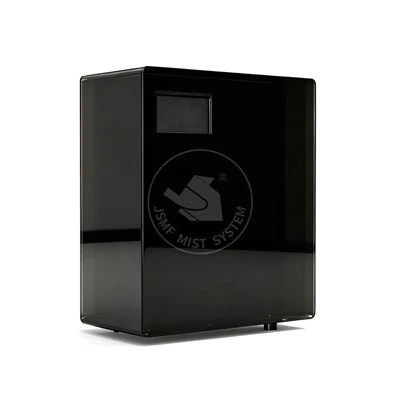
For more information or to discuss your specific needs, feel free to reach out to our team.
Latch-type Connection Piece References
- University of California Agriculture and Natural Resources. (2022). Misting Systems for Horticulture: Water Efficiency and Plant Health Outcomes.
- International Society of Horticultural Science. (2021). Humidity Management in Controlled Environment Agriculture: The Role of Ultra-Fine Mist Generators.
- American Floral Endowment. (2020). Common Misconceptions About Automatic Plant Misting Systems.
- Journal of Environmental Horticulture. (2023). Effect of Regulated Mist Applications on Transpiration Rates of Common Tropical Houseplants.
Jinsheng Mist Forest-High Pressure Mist System
Jinsheng Mist Forest-High Pressure Mist System is one of the most experienced mist generator manufacturers and suppliers in China, featured by quality products and low price. Please rest assured to wholesale bulk mist generator in stock here and get pricelist from our factory. Customized orders are welcome.
Address: 109 Yonghong Road, Wenjiang District, Chengdu City, Sichuan Province, China
E-mail: nebufly@jinshengwusen.cn
WebSite: https://www.jswsmist.com/
