If you’ve ever peeled a label off a shipping box, pried a sticker off a product’s surface, or handled a roll of double-sided tape for a craft project, you’ve interacted with release paper—even if you didn’t know its name. As a release paper supplier who’s worked with this material for over a decade, I can tell you it’s one of the unsung workhorses of modern packaging, a tiny component that makes dozens of everyday products function smoothly. Let’s break down what it is, how it works, and why it’s non-negotiable for so many packaging operations. Release Paper
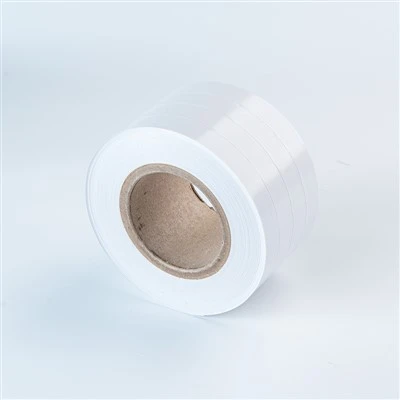
First, let’s define the core of release paper simply. At its most basic, it’s a specialty paper engineered with a coating that creates a controlled, low-adhesion surface—meaning items that stick easily to other surfaces won’t stick to it. Unlike regular paper, which absorbs adhesives like glue or acrylic and becomes unusable once coated, release paper is designed to resist that bond, acting as a temporary barrier between sticky materials and the world around them.
But it’s not a one-size-fits-all product, which is where a supplier’s expertise comes in. We don’t just ship plain paper with a coating; we customize every batch to match the unique needs of a customer’s packaging. Let’s talk about the two main components that make release paper work: the base substrate and the release coating. The substrate is usually a lightweight to medium-weight paper—think 40 to 80 pounds, depending on the application—made from bleached or unbleached wood pulp, sometimes with recycled content for eco-focused clients. This base needs to be strong enough to withstand handling during manufacturing and shipping, but flexible enough to be slit into narrow rolls or die-cut into specific shapes for labels or tapes.
The release coating is where the science happens. Most release coatings are silicone-based, but there are other options for customers who need non-silicone alternatives, like acrylic or polyolefin, which are ideal for food packaging where silicone residue could contaminate products. The coating isn’t just spread on evenly; it’s calibrated to a specific “release force”—that is, how much pressure it takes to peel a sticky material off the paper. For a shipping label, you need a medium release force: strong enough that the label won’t fall off the roll during storage, but weak enough that a consumer can peel it off easily without tearing the label or their product’s surface. For a heavy-duty industrial tape, you might need a higher release force, so the tape stays on its backing until it’s time to apply it.
A common question I get from new customers is how release paper differs from other similar materials, like release film. The key is flexibility and cost. Release paper is cheaper than most films, it’s recyclable in many cases (if it’s not silicone-coated and mixed with other materials), and it’s compatible with most standard packaging machinery. Films work well for ultra-high-temperature applications, but release paper is the go-to for 80% of the packaging we serve—because it’s practical, reliable, and meets most regulatory requirements.
Let’s put this into real-world packaging examples to make it tangible. Take adhesive labels, which are ubiquitous on everything from food jars to pharmaceutical vials. The label itself has an adhesive on one side; that adhesive is applied to the back of the label, and then a sheet or roll of release paper is pressed against it to keep the labels from sticking together before they’re used. Without release paper, every roll of labels would be a solid block—unrollable, unpeelable, useless.
Another big use is in flexible packaging, like the pouches you see for snacks or personal care products. Many of these pouches have a resealable zipper or a heat-sealable layer that uses adhesive. Release paper acts as a liner inside the packaging to prevent the adhesive on the zipper from sticking to the rest of the pouch during manufacturing and shipping. When the consumer opens the pouch, they peel off the release liner to expose the adhesive, allowing them to reseal the bag to keep its contents fresh.
We also work with customers in the automotive and electronics industries, where release paper is used to protect parts during manufacturing. For example, a rubber gasket for a car engine might have an adhesive side that needs to stay clean until it’s installed in the vehicle. A layer of release paper covers the adhesive, preventing dust, oil, or other contaminants from sticking to it during storage and transport. Without that barrier, the gasket wouldn’t seal properly, leading to leaks or part failure.
One of the biggest challenges our team faces is meeting the growing demand for sustainable packaging. A few years ago, most release paper was silicone-coated and difficult to recycle, but today’s customers—from small craft brands to large multinational companies—are pushing for materials that reduce waste. That’s why we’ve invested in a line of recyclable release paper that uses a bio-based release coating, made from plant-derived materials instead of petroleum-based silicone. These products still deliver the same controlled release performance, but they can be recycled with regular paper products, cutting down on the environmental footprint of packaging. We also work with clients to optimize roll widths and lengths to minimize material waste, so they don’t order more release paper than they need.
Another factor that sets us apart as a release paper supplier is our ability to test and validate products for specific applications. Not all adhesives are the same: acrylic adhesives used on labels react differently to coatings than rubber-based adhesives used on double-sided tape. We partner with customers to run adhesion tests in our lab—measuring how much force is required to peel their specific adhesive off our release paper—to make sure the product works for their exact use case. For a food packaging client, we also test for compliance with food contact regulations like FDA standards, so their release paper doesn’t leach any chemicals into their products.
I’ve seen firsthand how a small mistake in release paper can cause big problems for a business. A few years back, we had a small batch of release paper for a pharmaceutical label customer that had a release force that was too low. The labels started falling off the roll during shipping to the drug manufacturer, leading to production delays and lost inventory. We worked with the customer to adjust the coating formula, retested the product, and delivered a replacement batch quickly—because that’s what a reliable supplier does. The key is being responsive, listening to customer needs, and not cutting corners on quality.
So why does release paper matter to you, whether you’re a small business owner or a consumer? For businesses, it’s a cost-effective way to protect your products, reduce waste, and make your packaging functional. For consumers, it’s the reason a label peels off cleanly, a snack pouch reseals, and a product’s parts stay intact. It’s easy to overlook something that’s hidden between layers of packaging, but without it, the entire packaging supply chain would grind to a halt.
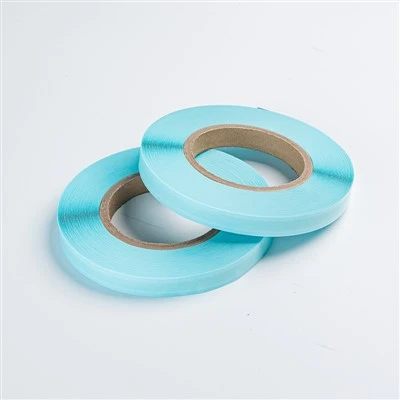
At the end of the day, release paper is all about balance: balancing strength and flexibility, adhesion and release, cost and sustainability. It’s not just a piece of paper—it’s a critical component that enables countless packaging innovations. If you’re in the packaging industry and looking for a release paper supplier that can customize products, test performance, and support your sustainability goals, we’re here to help. Connect with our team to discuss your packaging needs and find the right release paper solution for your business.
Reflective Tape References:
- Handbook of Specialty Papers, Third Edition, TAPPI Press, 2019
- "Release Coatings for Packaging Applications," Journal of Adhesion Science and Technology, Vol. 32, No. 12, 2018
- Sustainable Packaging Guidelines, Packaging Association of North America, 2022
- "Silicone vs. Non-Silicone Release Liners for Food Contact," Food Packaging and Shelf Life, Vol. 15, 2018
Jinrong New Materials Co., Ltd.
Jinrong New Materials Co., Ltd. is one of the most professional release paper manufacturers and suppliers in China. With abundant experience, we are committed to providing high quality products made in China with competitive price. Please feel free to buy customized release paper from our factory. Welcome to contact us for quotation and free sample.
Address: Guangde, Anhui Province Economic Development Zone Pengju Road 37
E-mail: lynn@sanlin-tech.cn
WebSite: https://www.jinrongliner.com/
