If you’ve ever stepped into a modest fashion shop, scrolled through Instagram’s modest influencers, or walked a street in a Muslim-majority neighborhood, you’ve likely seen a long hijab draping gracefully, not just covering hair and neck, but often falling over the shoulders and sometimes even the chest or midriff. As a supplier of long hijabs, I get asked this question all the time: “Are there any rules for wearing a long hijab that I should follow?” The short answer is, not rigid, one-size-fits-all rules, but there are thoughtful, practical guidelines that have been shaped by centuries of tradition, modern comfort needs, and the unique versatility that makes long hijabs one of the most beloved pieces in modest fashion today. Long Hijab

Let’s start with the core of what a long hijab is, because that’s where the first “rule” comes in. Unlike a standard hijab, which usually measures around 2 by 2 feet, a long hijab is typically 70 to 90 inches long—long enough to be worn in multiple ways without the fabric feeling tight or restrictive. For many wearers, the definition of “appropriate” starts with how the fabric covers the parts of the body that are meant to be modest, which is rooted in Islamic teachings that prioritize dignity and respect. That doesn’t mean it has to be the same for everyone; a college student in Chicago might drape it loosely over a hoodie and jeans for class, while a teacher in Jakarta might style it with a buttoned tunic for work, and both are following the same core guideline: no unnecessary exposure. The key here is fit. Too short, and you might find yourself adjusting it throughout the day, pulling it down to cover your neck when it slips, which can feel distracting. Too long, and the fabric might get caught in door handles, brush against dirty floors, or feel heavy by evening. As a supplier, we test every length of our long hijab to strike that balance—long enough to offer styling flexibility, but not so long that it becomes a burden for daily wear.
Next, fabric choice is a factor that ties directly to both comfort and style, and there are unspoken guidelines here too, depending on the occasion. For casual days—running errands, meeting friends, or working from home—we recommend lightweight, breathable fabrics like cotton, linen, or a soft jersey blend. These fabrics are easy to drape, don’t wrinkle easily (a huge plus when you’re on the go), and work for year-round wear. I’ve had customers tell me they love our cotton long hijabs because they can throw them in a tote bag and pull them out without ironing, perfect for impromptu meetings or spontaneous outings. For formal occasions, though, the rules shift a bit. Silk, satin, or a crepe blend adds a touch of elegance that fits weddings, religious gatherings, or office events where a more polished look is needed. A common mistake new long hijab wearers make is choosing a heavy satin for a hot summer day—trust me, it’s not a good time. That’s why we offer a range of fabric weights, so each customer can pick what works for their climate and lifestyle, and that’s not just a business choice; it’s a way to help people wear their hijab comfortably, which is the foundation of feeling confident in it.
Styling is where long hijabs really stand out, and there are a few simple rules that keep the look polished without being complicated. One of the most popular styles is the “draped over the shoulder” look, which works for everyday wear. To pull this off neatly, make sure the front part of the hijab is wide enough to cover your chest, and the back falls smoothly down your spine. I always tell new wearers to start with a basic drape first, pinning the front under their chin for security, then letting the two ends fall naturally. For a more formal look, you can twist the ends of the hijab at the nape of your neck, then drape them over your shoulders or even tie a small knot at the waist—this works great with maxi dresses or tailored blouses. A tip from our long-time customers: avoid heavy embellishments (like large sequins or beads) on the bottom edge of the hijab if you’re planning to wear it tucked into pants, because the weight can pull the fabric out of shape. On the other hand, subtle details like a delicate lace trim or a small embroidered border add a nice touch without sacrificing versatility, which is something we prioritize in our designs.
Another guideline that’s often overlooked is maintaining the hijab’s length and condition. A long hijab is an investment, so taking care of it properly means it will last for years and keep its shape. We recommend hand-washing most fabrics, or using a gentle cycle in cold water if you machine wash, because harsh detergents and high heat can shrink the fabric or fade the color. Many of our customers tell us they avoid machine drying, preferring to lay their long hijabs flat to dry, which prevents stretching—especially for jersey and linen styles. If a long hijab does get a bit too long after a few washes, many tailors can shorten the hem evenly, which is a handy trick for adjusting to different body types or styling preferences. This is why we size our long hijabs with a slight “working length” built in, so you never have to worry about them being too short once they’re cleaned.
Of course, there are cultural and personal rules to consider, which are just as important as practical ones. For example, in many South Asian and Middle Eastern communities, long hijabs are often worn with a matching undercap or a dupatta (a long scarf) that complements the outfit, while in some Western contexts, they’re styled more casually as a statement piece. The beauty of a long hijab is that it adapts to these different cultural norms; you can wrap it as a single layer for a simple look, or layer it with a lightweight underscarf for extra warmth in winter. I’ve seen customers pair our long hijabs with everything from leather jackets and combat boots for a street style look, to flowy abayas and kurtas for a traditional look, and all of these are valid because they honor both the wearer’s personal style and their cultural or religious values. That’s why we never push a “one right way” to wear a long hijab; instead, we offer a variety of colors and styles so each person can find what feels true to them.
Wait, you might be wondering, are there any “don’ts” when it comes to long hijabs? Let’s be honest, there are a few common missteps that people make. Don’t wear a long hijab that’s so tight it restricts your movement—you should be able to turn your head, bend over, and walk comfortably without the fabric pulling. Don’t ignore the environment; a long hijab in a windy day can quickly become a handful, so a small pin or a tight weave fabric can help keep it in place. And don’t be afraid to experiment! Some of our most loyal customers started with a basic black long hijab, then moved to pastels, patterns, and even prints like florals or stripes, and they tell me that trying new styles makes them feel more confident. That’s the biggest secret to wearing a long hijab well: when you feel comfortable and happy in what you’re wearing, all the unspoken rules fall away.
As a long hijab supplier, I’ve learned over the years that the question of “rules” isn’t about strict restrictions—it’s about understanding what makes a long hijab work for the wearer. It’s about choosing the right fabric for your climate, finding the right length for your lifestyle, and styling it in a way that honors your values and personal style. Whether you’re new to wearing a long hijab or you’ve been collecting them for years, there’s no one right way to do it, just the ways that feel right for you.
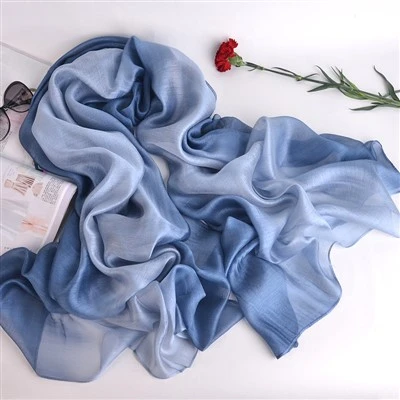
If you’re looking to build a collection of long hijabs for your store, boutique, or personal use, we’re here to help. Our range of long hijabs is designed for comfort, durability, and style, with options for every occasion and budget. We’re committed to providing high-quality pieces that empower you to wear your hijab with confidence, and we’d love to chat about how we can tailor our offerings to meet your needs. Whether you’re a small retailer looking to stock modest fashion items, or someone who wants to buy in bulk for a community event, reach out to us to discuss your requirements and place an order. We’re excited to partner with you on creating long hijabs that make a difference.
Jacquard Scarf References
- Al-Hibri, K. (2011). Modesty in Muslim Thought and Practice. Oxford University Press.
- Fashion for Modest Wear: A Global Guide. (2020). Modesty Fashion Association.
- Textile Care for Long-Lasting Scarves and Hijabs. (2019). International Textile and Apparel Association.
- Modest Fashion and Identity: Perspectives from Muslim Women. (2021). Journal of Fashion Studies.
Deqing Boliya Silk Co., Ltd.
Deqing Boliya Silk Co., Ltd. is one of the most professional long hijab manufacturers and suppliers in China, featured by quality products and good service. Please rest assured to wholesale the newest long hijab in stock here and get quotation from our factory. We also accept customized orders.
Address: Baibiao Industrial Zone, Xinshi Town, Deqing County, Zhejiang Province, China
E-mail: boliya@boliyasilk.com
WebSite: https://www.boliyasilk.com/
