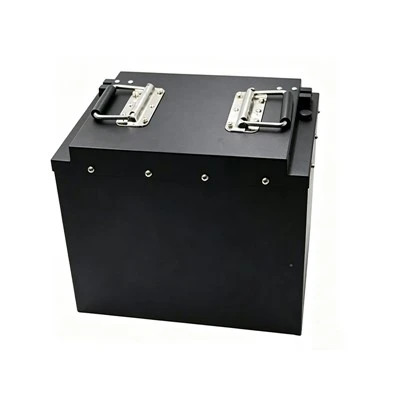
As a NCM lithium battery supplier deeply engaged in the industry, I’ve witnessed the remarkable evolution of battery technology in recent years. The journey of NCM lithium batteries, from their initial development to their current widespread use, holds a special fascination for me, particularly when it comes to their potential in aerospace applications. In this blog, I’ll explore the special requirements for NCM lithium batteries in aerospace use, drawing on my experience and industry knowledge. NCM Lithium Battery
High Energy Density and Specific Energy
One of the most critical requirements for NCM lithium batteries in aerospace applications is high energy density and specific energy. The energy density refers to the amount of energy stored per unit volume, while specific energy is the energy stored per unit mass. In aerospace, every gram and cubic centimeter counts. The more energy a battery can store in a given volume and mass, the better it can power the aircraft or spacecraft for longer durations without adding excessive weight or taking up too much space.
NCM lithium batteries have a distinct advantage in this regard. Compared to traditional battery chemistries, such as lead – acid or nickel – cadmium batteries, NCM batteries can offer significantly higher energy densities. This high energy storage capacity is essential for powering various aerospace systems, from communication devices to critical onboard electronics. For example, in unmanned aerial vehicles (UAVs), which are often used for surveillance, mapping, and delivery, high – energy – density NCM batteries enable longer flight times and greater mission ranges.
Thermal Stability
Thermal stability is another crucial aspect for NCM lithium batteries in aerospace. The aerospace environment is characterized by extreme temperature variations, from the frigid cold of high altitudes to the intense heat generated during re – entry or prolonged operation. A battery that cannot maintain its performance under these conditions is not suitable for aerospace use.
NCM batteries need to be designed with advanced thermal management systems. These systems can include heat sinks, thermal insulation materials, and active cooling mechanisms. For instance, in satellites, the battery packs are often equipped with passive thermal control systems that use special coatings and materials to reflect or absorb heat, helping to keep the battery temperature within a safe operating range. Additionally, the chemical composition of NCM batteries can be optimized to enhance their intrinsic thermal stability. This involves carefully selecting the ratio of nickel, cobalt, and manganese in the cathode material, as each element has a different impact on the battery’s thermal behavior.
Safety and Reliability
Safety and reliability are non – negotiable requirements for any aerospace component, and NCM lithium batteries are no exception. The failure of a battery in an aerospace system can have catastrophic consequences, endangering lives and causing significant financial losses. Therefore, NCM lithium batteries must meet strict safety standards.
One of the main safety concerns with lithium – ion batteries is the potential for thermal runaway. This is a self – accelerating reaction that can lead to overheating, fire, or even explosion. To prevent thermal runaway in NCM batteries, safety features such as built – in fuses, pressure relief valves, and over – charge and over – discharge protection circuits are essential. These features can detect abnormal conditions and take appropriate actions to shut down the battery or prevent further damage.
Reliability is also crucial. Aerospace missions often have strict timelines and cannot afford unexpected battery failures. NCM batteries need to have a long cycle life, meaning they can be charged and discharged many times without significant degradation in performance. Extensive testing and quality control measures are implemented during the battery manufacturing process to ensure each battery meets the required reliability standards. This includes testing the batteries under various environmental conditions and simulating real – world aerospace scenarios.
Low Self – Discharge Rate
In aerospace applications, batteries may be stored for long periods before use. For example, a satellite may be stored on the ground for months or even years before its launch. During this storage period, a high self – discharge rate can significantly reduce the battery’s available energy. Therefore, NCM lithium batteries used in aerospace should have a low self – discharge rate.
A low self – discharge rate ensures that the battery retains its charge for extended periods, minimizing the need for frequent recharging during storage. It also provides a predictable level of energy availability when the battery is finally put into operation. Manufacturers can achieve a low self – discharge rate by carefully controlling the surface area of the electrodes, the purity of the electrolyte, and other factors in the battery design and production process.
Compatibility with Aerospace Systems
NCM lithium batteries must be fully compatible with the existing aerospace systems. This includes electrical compatibility, mechanical compatibility, and software compatibility.
Electrical compatibility means that the battery’s voltage, current, and power output characteristics must match the requirements of the aerospace equipment. For example, different onboard systems may have different voltage requirements, and the battery must be able to provide a stable and appropriate voltage supply.
Mechanical compatibility involves the physical design of the battery. The battery must fit into the available space in the aircraft or spacecraft and be able to withstand the mechanical stresses, such as vibrations, shocks, and accelerations, that are common during flight and launch.
Software compatibility is also important, especially in modern aerospace systems that rely on sophisticated control and monitoring software. The battery management system (BMS) of the NCM battery must be able to communicate effectively with the overall aerospace system’s software, providing accurate information about the battery’s state of charge, state of health, and other parameters.
Radiation Resistance
In the aerospace environment, especially in space, batteries are exposed to high levels of radiation. Radiation can damage the battery’s internal components, such as the electrodes and the electrolyte, leading to reduced performance or even complete failure. Therefore, NCM lithium batteries used in aerospace applications need to have a certain degree of radiation resistance.
Manufacturers can enhance the radiation resistance of NCM batteries by using radiation – hardened materials. These materials are designed to withstand the effects of radiation and prevent the formation of defects that could affect the battery’s performance. Additionally, the battery design can be optimized to minimize the impact of radiation, such as by shielding sensitive components or using redundant structures.
Cost – Effectiveness
While the above requirements are of utmost importance, cost – effectiveness also plays a role in the adoption of NCM lithium batteries in aerospace. The aerospace industry is highly cost – sensitive, and any new technology must offer a balance between performance and cost.
As a NCM lithium battery supplier, we are constantly working on improving the manufacturing process to reduce costs without compromising on quality. This includes using more cost – effective raw materials, optimizing the production line to increase efficiency, and reducing waste. By making our NCM batteries more cost – effective, we can make them a more attractive option for aerospace companies, helping to drive the widespread adoption of this technology in the aerospace sector.
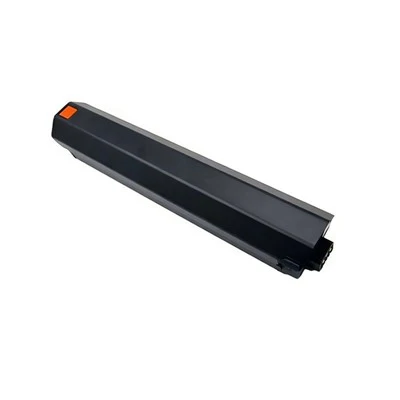
In conclusion, the requirements for NCM lithium batteries in aerospace applications are stringent and multifaceted. From high energy density and thermal stability to safety, low self – discharge rate, compatibility, radiation resistance, and cost – effectiveness, every aspect must be carefully considered and optimized. As a supplier, I am committed to meeting these requirements and providing high – quality NCM lithium batteries that can support the demanding needs of the aerospace industry.
LiFeP04 Battery If you are in the aerospace industry and are looking for reliable NCM lithium battery solutions, I invite you to initiate a conversation with us. We can discuss your specific requirements and explore how our products can be customized to meet your needs. Together, we can drive innovation in the aerospace field and contribute to the success of your projects.
References
- "Lithium – Ion Batteries: Advanced Materials and Technologies" by John B. Goodenough and Yutaka Asahi.
- "Handbook of Battery Materials" edited by Jürgen O. Besenhard.
- Research papers from aerospace and battery research institutions on the performance requirements of batteries in aerospace applications.
Suzhou Huaqian Contemporary New Energy Technology Co., Ltd.
As one of the most professional ncm lithium battery manufacturers and suppliers in China, we warmly welcome you to wholesale bulk customized ncm lithium battery at competitive price from our factory. If you have any enquiry about cooperation, please feel free to email us.
Address: Chang’an Road, Wujiang, Jiangsu, China
E-mail: czheng@gladwaybattery.com
WebSite: https://www.gladwaybattery.com/
