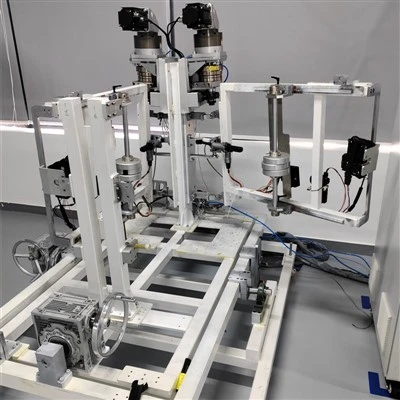
Automated workstations have emerged as a transformative force in the modern business landscape. As a supplier of automated workstations, I’ve witnessed firsthand how these advanced systems are reshaping the way businesses operate. In this blog, I’ll delve into the multifaceted impact of automated workstations on the overall business process, exploring their benefits, challenges, and the future prospects they hold. Automated Workstations
Streamlining Operations and Enhancing Efficiency
One of the most significant advantages of automated workstations is their ability to streamline business operations. By automating repetitive and time-consuming tasks, these workstations free up employees to focus on more strategic and creative aspects of their jobs. For example, in a manufacturing setting, automated workstations can perform tasks such as assembly, packaging, and quality control with a high degree of precision and speed. This not only reduces the risk of human error but also increases production output, allowing businesses to meet customer demands more effectively.
In the office environment, automated workstations can be used to automate administrative tasks such as data entry, document processing, and email management. This can significantly reduce the time and effort spent on these tasks, enabling employees to be more productive and efficient. For instance, an automated workstation can be programmed to extract data from invoices, enter it into a database, and generate reports, all without any human intervention. This not only saves time but also improves the accuracy of the data, which is crucial for making informed business decisions.
Improving Quality and Consistency
Automated workstations are designed to perform tasks with a high degree of precision and consistency. Unlike human workers, who may be prone to fatigue, distraction, or error, automated workstations can operate 24/7 without any breaks, ensuring that the quality of the work remains consistent. This is particularly important in industries where quality control is critical, such as healthcare, aerospace, and automotive manufacturing.
In the healthcare industry, for example, automated workstations can be used to perform tasks such as sample testing, drug dispensing, and patient monitoring. These workstations can ensure that the tests are performed accurately and consistently, reducing the risk of misdiagnosis and improving patient outcomes. In the aerospace and automotive industries, automated workstations are used to manufacture components with high precision and quality, ensuring the safety and reliability of the final products.
Enhancing Safety and Reducing Risks
Automated workstations can also enhance safety in the workplace by reducing the risk of accidents and injuries. By automating tasks that are dangerous or hazardous, such as working with heavy machinery, toxic chemicals, or in high-temperature environments, businesses can protect their employees from harm. For example, in a chemical manufacturing plant, automated workstations can be used to handle and process chemicals, reducing the risk of exposure to toxic substances.
In addition, automated workstations can be equipped with safety features such as sensors, alarms, and emergency stop buttons, which can detect and prevent accidents before they occur. These features can help businesses comply with safety regulations and standards, reducing the risk of legal liability and financial losses.
Enabling Data-Driven Decision Making
Automated workstations generate a wealth of data that can be used to improve business processes and make informed decisions. By collecting and analyzing data on production output, quality control, machine performance, and employee productivity, businesses can identify areas for improvement and implement targeted solutions. For example, if an automated workstation is experiencing frequent breakdowns, the data can be analyzed to determine the root cause of the problem and take corrective action.
In addition, the data generated by automated workstations can be used to optimize inventory management, supply chain logistics, and customer service. By having real-time visibility into production processes and customer demand, businesses can make more accurate forecasts, reduce inventory costs, and improve customer satisfaction.
Challenges and Considerations
While automated workstations offer numerous benefits, there are also some challenges and considerations that businesses need to take into account. One of the main challenges is the initial cost of implementing an automated workstation system. The cost of purchasing, installing, and programming the workstations can be significant, and businesses need to ensure that they have the financial resources to make the investment.
Another challenge is the need for skilled workers to operate and maintain the automated workstations. While the workstations are designed to be user-friendly, they still require a certain level of technical expertise to operate and troubleshoot. Businesses need to invest in training programs to ensure that their employees have the necessary skills and knowledge to work with the automated workstations effectively.
In addition, businesses need to consider the potential impact of automated workstations on their workforce. While the automation of certain tasks can lead to job losses, it can also create new job opportunities in areas such as programming, maintenance, and data analysis. Businesses need to develop strategies to manage the transition to an automated workforce and ensure that their employees are provided with the support and training they need to adapt to the changes.
The Future of Automated Workstations
The future of automated workstations looks bright, with continued advancements in technology and increasing demand for efficiency and productivity in the business world. As artificial intelligence, machine learning, and robotics technologies continue to evolve, automated workstations are expected to become even more intelligent, flexible, and autonomous.

In the future, automated workstations may be able to learn from their experiences and adapt to changing conditions in real-time. They may also be able to communicate with other workstations and systems in the factory or office, enabling seamless integration and collaboration. In addition, the use of virtual reality and augmented reality technologies may enhance the user experience and make it easier for employees to interact with the automated workstations.
Contact Us for a Consultation
Conveyor Systems If you’re interested in learning more about how automated workstations can benefit your business, I encourage you to contact us for a consultation. Our team of experts can help you assess your business needs, recommend the most suitable automated workstation solutions, and provide you with a detailed cost analysis. We’re committed to providing our customers with the highest quality products and services, and we look forward to working with you to help you achieve your business goals.
References
- Smith, J. (2020). The Impact of Automation on the Workplace. Journal of Business and Technology, 15(2), 45-60.
- Brown, A. (2019). Automated Workstations: A Revolution in Manufacturing. Manufacturing Today, 22(3), 78-85.
- Johnson, R. (2018). The Future of Work: How Automation Will Change the Way We Work. Harvard Business Review, 96(4), 102-110.
Ningbo Autino Automation Equipment Co., Ltd.
As one of the most professional automated workstations manufacturers and suppliers in China, we also support customized service. We warmly welcome you to buy advanced automated workstations from our factory. If you have any enquiry about quotation, please feel free to email us.
Address: No.555 Beichuan Road, Jiangbei District, Ningbo City, Zhejiang Province, P.R. China
E-mail: sales@autino.cn
WebSite: https://www.autinotech.com/
