Roller chains are a fundamental component in a wide array of industrial and mechanical applications. As a supplier of transmission chains, I’ve had the firsthand experience of witnessing the intricacies of these versatile power – transmitters up close. In this blog, I will delve into the common failures that can plague roller chains, an understanding of which is crucial for our customers to ensure the longevity and efficiency of their machinery. Transmission Chain

Wear
One of the most prevalent issues with roller chains is wear. Wear primarily manifests in two forms: pin and bushing wear and roller wear.
Pin and bushing wear occurs due to the repeated articulation of the chain as it moves around sprockets. Every time the chain engages and disengages from a sprocket, there is relative motion between the pin and the bushing. Over time, this continuous friction leads to material removal, causing the chain to elongate. As the chain elongates, it no longer meshes properly with the sprockets, resulting in poor power transmission, increased vibration, and potential chain derailment.
The rate of pin and bushing wear is influenced by several factors. The quality of the materials used in the chain plays a significant role. Chains made from high – grade steels with proper heat treatment are more resistant to wear. Additionally, the lubrication conditions are critical. Inadequate lubrication can accelerate the wear process as there is no proper film to reduce friction between the pin and the bushing. Contaminants such as dirt, dust, and metal particles can also act as abrasives, further exacerbating the wear.
Roller wear, on the other hand, happens when the rollers come into contact with the sprocket teeth. The rollers are designed to roll smoothly over the sprocket teeth, but under heavy loads, high speeds, or in the presence of contaminants, the surface of the rollers can wear down. This can lead to a reduction in the roller diameter, which in turn affects the chain’s ability to engage with the sprockets correctly.
Fatigue
Fatigue failure is another common problem in roller chains. Fatigue occurs when the chain is subjected to cyclic loading, which is typical in most power – transmission applications. The repeated stress cycles cause microscopic cracks to form in the chain components, particularly in the pins and the side plates.
The pins are under significant shear stress as the chain bends around the sprockets. Over time, these shear stresses can cause cracks to initiate at the surface of the pins. As the chain continues to operate, these cracks propagate deeper into the pin until it eventually fails. Side plates also experience fatigue due to the tensile and bending stresses they endure during chain operation.
The fatigue life of a roller chain depends on several factors, including the magnitude of the applied load, the frequency of the load cycles, and the material properties of the chain components. Chains that are operated at high – stress levels or with a high number of load cycles per unit time are more prone to fatigue failure. Design factors such as the shape and size of the chain components can also influence fatigue resistance. For example, chains with well – rounded corners and smooth transitions in the side plates are less likely to develop stress concentrations, which can lead to premature fatigue failure.
Corrosion
Corrosion is a major concern, especially in environments where the chain is exposed to moisture, chemicals, or high humidity. When a roller chain corrodes, the integrity of its components is compromised.
The metal parts of the chain, such as the pins, bushings, rollers, and side plates, can react with the surrounding environment to form rust or other corrosion products. Rust is a porous and brittle substance that can cause the chain components to weaken and eventually break. In addition to rusting, chains can also experience other forms of corrosion, such as galvanic corrosion when two different metals are in contact in the presence of an electrolyte.
Corrosion can also affect the chain’s performance in other ways. The corrosion products can increase the friction between the chain components, leading to higher power consumption and accelerated wear. In some cases, the corrosion can cause the chain to seize up, preventing it from moving freely. To mitigate the effects of corrosion, chains can be coated with protective materials such as zinc, nickel, or epoxy. These coatings act as a barrier between the metal surface of the chain and the corrosive environment.
Overloading
Overloading is a common cause of chain failure in many applications. When a roller chain is subjected to a load that exceeds its rated capacity, it can experience a variety of problems.
Excessive loads can cause the chain components to deform plastically. The pins may bend, the side plates may stretch, and the rollers may flatten. These deformations can lead to improper meshing with the sprockets, increased friction, and reduced power – transmission efficiency. In severe cases, the chain may break under the excessive load, resulting in a complete shutdown of the machinery.
Overloading can occur due to several reasons. One common reason is improper selection of the chain. If the chain is not sized correctly for the application, it may be unable to handle the expected loads. Another reason is sudden changes in the operating conditions, such as a jam in the machinery or a sudden increase in the load due to a process change.
Improper Installation and Alignment
Improper installation and alignment of the roller chain can also lead to premature failure. When a chain is not installed correctly, it may not be tensioned properly. If the chain is too loose, it can cause excessive vibration, noise, and chain derailment. On the other hand, if the chain is too tight, it can increase the wear on the chain components and the sprockets, as well as put additional stress on the bearings and other related parts of the machinery.
Alignment issues are equally important. If the sprockets are not properly aligned, the chain will not run smoothly. This can cause uneven wear on the chain and the sprockets, leading to premature failure. Misaligned sprockets can also cause the chain to experience lateral forces, which can further exacerbate the wear and increase the risk of chain derailment.
Contamination
Contamination is a significant factor that can contribute to roller chain failure. Contaminants such as dirt, dust, sand, and metal particles can enter the chain and cause damage.
Dirt and dust can act as abrasives, accelerating the wear of the pin and bushing, as well as the rollers. Metal particles, especially if they are hard and sharp, can cause scoring on the chain components, leading to increased friction and reduced performance. In some industrial environments, chemicals and solvents can also come into contact with the chain, causing corrosion and degradation of the chain materials.
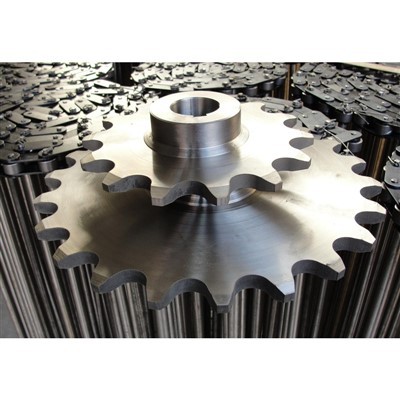
To prevent contamination, proper sealing and guarding of the chain drive system are essential. Additionally, regular cleaning and maintenance can help remove any contaminants that may have accumulated on the chain.
Transmission Chain As a transmission chain supplier, I understand the importance of providing high – quality chains and offering comprehensive support to our customers. By being aware of these common failures, our customers can take proactive measures to prevent them, such as proper chain selection, regular maintenance, and correct installation. If you are in need of reliable transmission chains or have any questions about chain performance and failure prevention, please feel free to contact us for further discussion. We are committed to helping you find the best solutions for your power – transmission needs.
References
- "Mechanical Design Handbook" by Robert C. Juvinall and Kurt M. Marshek.
- "Chain Drives: Selection and Application" by the American Chain Association.
- "Power Transmission Handbook" by Heinz P. Bloch and Fred K. Geitner.
Zhejiang Hangte Chain Transmission Co., Ltd.
We are one of the most experienced transmission chain manufacturers and suppliers in China since 1999. Please rest assured to buy high quality transmission chain made in China here from our factory. If you have any enquiry about cooperation, please feel free to email us.
Address: No. 195 Qinglin East Street, Qingshan Lake Subdistrict, Lin’an District, Hangzhou City, Zhejiang Province
E-mail: hangtechain@gmail.com
WebSite: https://www.chinahtchain.com/
