As a dedicated supplier of EPS block molding machines, I’m often asked about the operating temperature range of these essential pieces of equipment. Understanding this range is crucial for ensuring optimal performance, product quality, and the longevity of the machines. In this blog, I will delve into the details of the operating temperature range of an EPS block molding machine, exploring the factors that influence it, the ideal conditions, and the implications of operating outside this range. EPS Block Molding Machine
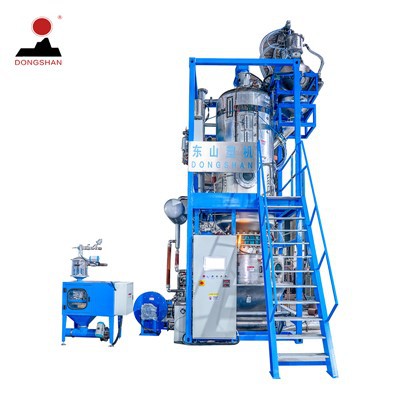
Factors Influencing the Operating Temperature Range
The operating temperature range of an EPS block molding machine is influenced by several key factors, each of which plays a significant role in determining the machine’s performance and reliability.
Material Properties
EPS (Expandable Polystyrene) is a thermoplastic material that undergoes a series of physical and chemical changes during the molding process. The expansion and fusion of EPS beads are highly temperature-dependent. At lower temperatures, the beads may not expand fully, resulting in incomplete or unevenly formed blocks. Conversely, at higher temperatures, the EPS may over-expand, leading to excessive shrinkage and poor structural integrity. Therefore, the material properties of EPS dictate the need for a specific temperature range to achieve the desired molding results.
Machine Components
The various components of an EPS block molding machine, such as heaters, cooling systems, and control panels, are designed to operate within a specific temperature range. For example, the electrical components may have a maximum operating temperature to prevent overheating and potential damage. The hydraulic system, which is responsible for the movement of the mold and the application of pressure, also requires a stable temperature to function properly. Any deviation from the recommended temperature range can affect the performance and reliability of these components, leading to increased wear and tear, reduced efficiency, and even system failures.
Environmental Conditions
The ambient temperature and humidity of the operating environment can also impact the performance of an EPS block molding machine. In hot and humid conditions, the cooling system may have to work harder to maintain the desired temperature inside the machine, which can put additional stress on the components. On the other hand, in cold environments, the EPS material may take longer to reach the required temperature for expansion, resulting in longer cycle times and reduced productivity. Therefore, it is important to consider the environmental conditions when determining the operating temperature range of the machine and to take appropriate measures to ensure a stable and controlled environment.
Ideal Operating Temperature Range
Based on our experience and extensive research, the ideal operating temperature range for an EPS block molding machine is typically between 20°C and 30°C (68°F and 86°F). This temperature range provides the optimal conditions for the expansion and fusion of EPS beads, ensuring consistent and high-quality block production.
Expansion Phase
During the expansion phase, the EPS beads are heated to a specific temperature to initiate the expansion process. The ideal temperature for this phase is around 100°C to 120°C (212°F to 248°F). At this temperature, the blowing agent inside the beads vaporizes, causing them to expand and fill the mold cavity. Maintaining a stable temperature within this range is crucial for achieving uniform expansion and consistent block density.
Fusion Phase
After the expansion phase, the EPS beads are fused together to form a solid block. This is achieved by applying heat and pressure to the mold. The ideal temperature for the fusion phase is typically between 120°C and 140°C (248°F to 284°F). At this temperature, the surfaces of the expanded beads soften and fuse together, creating a strong and cohesive block. The duration of the fusion phase is also important, as it determines the strength and quality of the final product.
Cooling Phase
Once the fusion phase is complete, the block needs to be cooled to a temperature where it can be safely removed from the mold. The cooling process is typically carried out using a combination of air and water cooling. The ideal temperature for the cooling phase is around 40°C to 50°C (104°F to 122°F). Cooling the block too quickly can cause internal stresses and cracking, while cooling it too slowly can result in longer cycle times and reduced productivity.
Implications of Operating Outside the Temperature Range
Operating an EPS block molding machine outside the recommended temperature range can have several negative implications, including:
Reduced Product Quality
As mentioned earlier, the expansion and fusion of EPS beads are highly temperature-dependent. Operating the machine at temperatures outside the ideal range can result in incomplete expansion, uneven block density, and poor structural integrity. This can lead to products that are not fit for purpose and may require additional processing or even be discarded, resulting in increased costs and reduced productivity.
Increased Energy Consumption
When the machine is operated at temperatures outside the recommended range, the heating and cooling systems may have to work harder to maintain the desired temperature. This can result in increased energy consumption, higher operating costs, and a negative impact on the environment.
Component Damage
Excessive heat or cold can cause damage to the machine’s components, such as heaters, cooling systems, and control panels. This can lead to increased maintenance requirements, downtime, and the need for costly repairs or replacements.
Safety Risks
Operating the machine at temperatures outside the recommended range can also pose safety risks to the operators. For example, overheating can cause electrical components to malfunction, leading to the risk of fire or electrical shock. Cold temperatures can also affect the performance of the machine’s hydraulic system, increasing the risk of accidents and injuries.
Maintaining the Ideal Operating Temperature
To ensure the optimal performance and longevity of an EPS block molding machine, it is important to maintain the ideal operating temperature range. Here are some tips to help you achieve this:
Control the Environment
The first step is to control the ambient temperature and humidity of the operating environment. This can be achieved by installing air conditioning or heating systems, as well as dehumidifiers or humidifiers if necessary. It is also important to ensure adequate ventilation to prevent the buildup of heat and moisture inside the machine.
Monitor the Temperature
Regularly monitor the temperature of the machine’s components, such as the heaters, cooling systems, and control panels. This can be done using temperature sensors and gauges, which can provide real-time feedback on the temperature conditions. If any deviations from the recommended temperature range are detected, take immediate action to adjust the settings or address the issue.
Maintain the Cooling System
The cooling system is a critical component of an EPS block molding machine, as it helps to maintain the desired temperature during the cooling phase. Regularly clean and maintain the cooling system, including the water filters, pumps, and heat exchangers, to ensure optimal performance. It is also important to check the coolant levels and quality regularly and to replace the coolant as needed.
Follow the Manufacturer’s Instructions
Finally, it is important to follow the manufacturer’s instructions and recommendations regarding the operating temperature range of the machine. The manufacturer’s guidelines are based on extensive research and testing and provide the best practices for ensuring the optimal performance and longevity of the machine.
Conclusion
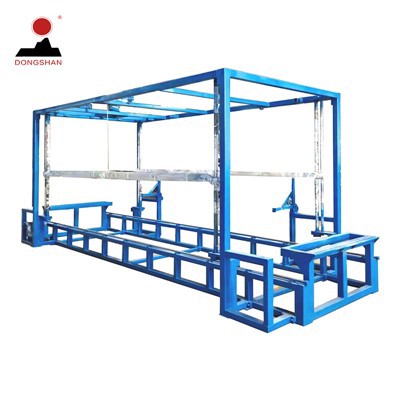
In conclusion, the operating temperature range of an EPS block molding machine is a critical factor that affects its performance, product quality, and longevity. Understanding the factors that influence this range, the ideal conditions, and the implications of operating outside this range is essential for ensuring the optimal operation of the machine. By maintaining the ideal operating temperature range, you can achieve consistent and high-quality block production, reduce energy consumption, minimize component damage, and ensure the safety of your operators.
Vacuum System If you are interested in learning more about our EPS block molding machines or have any questions regarding their operating temperature range or other aspects of their performance, please feel free to contact us. We would be happy to discuss your specific requirements and provide you with the information and support you need to make an informed decision.
References
- "EPS Block Molding Machine: Principles and Operation," Industry Press, 2020
- "Thermal Management in EPS Processing," Journal of Polymer Science, 2019
- "Best Practices for Operating EPS Block Molding Machines," Manufacturing Insights, 2018
Hangzhou Fuyang Dongshan Plastic Machinery Co., Ltd.
Hangzhou Fuyang Dongshan Plastic Machinery Co., Ltd. is one of the most professional EPS block molding machine manufacturers and suppliers in China, featured by quality products and low price. Please feel free to wholesale advanced EPS block molding machine made in China here and get quotation from our factory. Customized orders are welcome.
Address: 101 Guanting, Baiqian Villige, Luzhu Town, Fuyang District, Hangzhou City, Zhejiang Province, China
E-mail: xu@dong-shan.cn
WebSite: https://www.epseppmachinery.com/
