Hey there! I’m a supplier of Thermoplastic Vulcanizates (TPV), and today I wanna chat about the blow molding parameters for TPV. I’ll break down all the key factors that play a role in getting the best results during the blow molding process for TPV. TPV
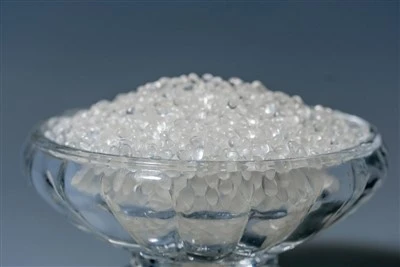
Understanding TPV Basics
Before we jump into the blow molding parameters, let’s quickly go over what TPV is. TPV is a unique material that combines the processing ease of thermoplastics with the rubber – like properties of vulcanized elastomers. It’s used in a ton of applications, from automotive parts like weatherstripping and seals to consumer goods like soft – grip handles.
1. Temperature
Temperature is a super crucial parameter in blow molding TPV. There are three main temperature zones to consider: the hopper, the barrel, and the die.
- Hopper Temperature: The hopper temperature usually doesn’t need to be too high. Keeping it at around room temperature is generally fine. This is because we don’t want the TPV pellets to start melting before they enter the barrel. A warm environment might cause the pellets to stick together, which can lead to uneven feeding.
- Barrel Temperature: The barrel is where the magic of melting the TPV happens. The temperature in the barrel should be carefully controlled. For most TPV grades, the rear zone of the barrel can be set at around 160 – 180°C. As we move towards the front of the barrel, the temperature gradually increases. The middle zone might be around 180 – 200°C, and the front zone can go up to 205 – 220°C. These temperatures are necessary to ensure that the TPV is fully melted and has a consistent viscosity throughout the barrel. If the temperature is too low, the TPV might not melt properly, resulting in a rough – surfaced final product. On the other hand, if it’s too high, the material can degrade, losing its mechanical properties.
- Die Temperature: The die temperature is important for shaping the melted TPV. It’s usually set a bit lower than the front barrel temperature, around 190 – 210°C. This helps the TPV maintain its shape as it exits the die and gets blown into the mold. A well – controlled die temperature ensures that the walls of the blow – molded part are uniform.
2. Pressure
Pressure also has a big impact on the blow molding process of TPV.
- Injection Pressure: When injecting the melted TPV into the mold, we need to apply the right amount of pressure. For TPV, an injection pressure of about 80 – 120 MPa is common. This pressure helps to fill the mold cavity quickly and completely. If the injection pressure is too low, the mold might not fill properly, leading to thin spots or incomplete parts. Too high of an injection pressure can cause the TPV to overflow or even damage the mold.
- Blow Pressure: Once the TPV is in the mold, the blow pressure is used to expand it to the shape of the mold. A blow pressure of around 0.5 – 1.5 MPa is typical for TPV blow molding. This pressure has to be carefully calibrated based on the size and design of the part. If the blow pressure is too low, the part won’t take on the full shape of the mold. If it’s too high, the part might develop thin walls or even burst.
3. Screw Speed
The screw speed determines how fast the TPV pellets are conveyed through the barrel and melted. A screw speed of around 30 – 60 RPM is usually good for TPV. If the screw speed is too slow, the production process will be very inefficient. But if it’s too fast, the TPV can be over – sheared, which can also degrade the material’s properties.
4. Cooling Time
Cooling time is essential for getting a high – quality blow – molded TPV part. After the part is blown into shape, it needs time to solidify. The cooling time depends on the thickness of the part. For thin – walled TPV parts, the cooling time might be around 10 – 20 seconds. For thicker parts, it can go up to 30 – 60 seconds or even more. If the cooling time is too short, the part might deform when it’s ejected from the mold. If it’s too long, the production rate will go down.
5. Melt Index and Viscosity
The melt index and viscosity of the TPV also influence the blow molding process. A TPV with a higher melt index flows more easily. This can be beneficial in terms of faster filling of the mold. However, if the melt index is too high, the TPV might sag during the blow molding process. Similarly, the viscosity affects how the TPV behaves under pressure. A low – viscosity TPV is easier to inject and blow, but it might require more precise control of the process parameters to maintain the desired shape.
6. Mold Design
The design of the mold itself is a key parameter. The mold should have proper venting to allow air to escape during the blow molding process. If there’s no proper venting, air pockets can form in the part, leading to defects. Also, the mold should be made of a material that can withstand the temperature and pressure of the blow molding process. The surface finish of the mold also matters. A smooth mold surface will result in a better – looking final product.
7. Moisture Content
TPV can absorb moisture from the environment. Before blow molding, it’s important to dry the TPV pellets. Moisture in the TPV can cause bubbles or voids in the final part. We recommend drying the TPV at around 80 – 100°C for 2 – 4 hours, depending on the grade of the TPV.
Why Choose Our TPV for Blow Molding
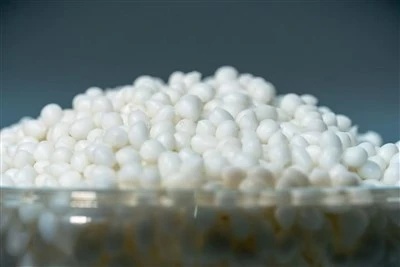
As a TPV supplier, we offer high – quality TPV that’s well – suited for blow molding. Our TPV has consistent properties, which means you can rely on it to give you the same great results every time. We also have a team of experts who can help you optimize the blow molding parameters for your specific application.
TPU If you’re in the market for TPV for blow molding, we’d love to talk to you. Whether you’re a small – scale manufacturer or a large – scale industrial company, we can provide you with the right TPV and support you need. Contact us to discuss your requirements, and let’s work together to create the best blow – molded products.
References
- "Handbook of Thermoplastic Elastomers", Second Edition, Edited by B. M. Walker and C. P. Rader
- "Plastic Materials", 10th Edition, by J. A. Brydson
Kunshan Kesun Polymer Co., Ltd.
Kunshan Kesun Polymer Co., Ltd. is one of the most professional TPV manufacturers and suppliers in China, featured by quality products and low price. Please feel free to wholesale bulk eco-friendly TPV from our factory. Contact us for customized service and free sample.
Address: No.108,Jinmao Road,Zhoushi Town,KunShan ,Jiangsu,China
E-mail: melody_yang@kesuntpe.com
WebSite: https://www.kesun-tpe.net/
