Hey there! I’m a supplier of Beige Marble, and I often get asked about where this beautiful stone comes from. So, I thought I’d take a deep dive into the origin of Beige Marble and share some cool facts with you. Beige Marble
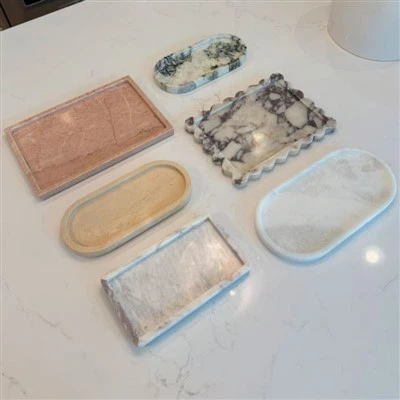
First off, let’s talk about what marble actually is. Marble is a metamorphic rock, which means it’s formed when limestone is subjected to high heat and pressure over a long period of time. This process causes the limestone to recrystallize, giving it that characteristic veined appearance and a smooth, polished finish.
Beige Marble, as the name suggests, has a warm, earthy beige color. This color can vary from light cream to a deeper, more golden hue, depending on the specific minerals present in the rock. The variations in color and veining make each piece of Beige Marble unique, which is one of the reasons why it’s so popular in construction and design.
Now, let’s get to the origin. Beige Marble can be found in many parts of the world, but some regions are particularly well – known for producing high – quality Beige Marble.
One of the major sources of Beige Marble is Italy. Italy has a long history of marble extraction and is famous for its Carrara marble. While Carrara is often associated with white marble, there are also some beige varieties. The Apuan Alps in Tuscany are a prime location for marble quarries. The geological conditions in this area have created marble with beautiful, subtle veining and a warm beige tone. Italian Beige Marble is highly sought after for its elegance and quality. It’s often used in luxury homes, high – end hotels, and famous architectural projects.
Another significant source is Spain. Spanish Beige Marble, such as Crema Marfil, is extremely popular. Crema Marfil gets its name from its creamy color, which is similar to that of a caramel or marzipan. It has a fine grain and a consistent color, making it a great choice for large – scale projects. The quarries in Spain are located in regions like Andalusia and Murcia. These areas have the right combination of limestone deposits and geological activity to produce high – grade Beige Marble. Spanish Beige Marble is used in everything from flooring to countertops and wall cladding.
In Turkey, there are also some excellent Beige Marble deposits. Turkish Beige Marble, like Travertine, is known for its unique texture and porosity. Travertine forms in hot springs or limestone caves, and it often has small holes or pits on its surface, which can give it a rustic and natural look. The quarries in Turkey are spread across different regions, and the marble they produce is used in a wide range of applications, from outdoor paving to indoor decorative elements.
China is also emerging as a major player in the Beige Marble market. With its vast limestone reserves and advanced quarrying and processing technologies, China can produce Beige Marble at a relatively lower cost. Chinese Beige Marble comes in various colors and qualities, and it’s being used more and more in both domestic and international construction projects.
When it comes to the extraction process, it’s a complex and labor – intensive operation. Quarry workers use heavy machinery to cut large blocks of marble from the earth. These blocks are then transported to processing facilities, where they are cut into slabs or tiles of different sizes. The cutting and polishing process requires a high level of skill to ensure that the final product has a smooth and shiny surface.
As a Beige Marble supplier, I’ve seen firsthand the different uses of this amazing stone. In residential construction, Beige Marble is often used for kitchen countertops. Its warm color adds a touch of elegance to the kitchen, and it’s durable enough to withstand daily use. Bathroom floors and walls also look stunning when clad in Beige Marble. The smooth surface is easy to clean, and the natural beauty of the stone creates a luxurious and relaxing atmosphere.
In commercial buildings, Beige Marble is used in lobbies, staircases, and public areas. It gives a sense of grandeur and sophistication, making it a popular choice for hotels, offices, and shopping malls.
If you’re in the market for Beige Marble, there are a few things to keep in mind. First, consider the quality of the marble. Look at the color consistency, the veining pattern, and the overall finish. High – quality Beige Marble should have a uniform color and well – defined veins.
Second, think about the application. Different types of Beige Marble are better suited for different uses. For example, if you’re using it for outdoor paving, you’ll need a more durable and weather – resistant variety.
Finally, it’s important to work with a reliable supplier. As a supplier myself, I can tell you that we take pride in providing high – quality products and excellent customer service. We can help you choose the right type of Beige Marble for your project, and we’ll make sure that the delivery is on time and the installation goes smoothly.

If you’re interested in purchasing Beige Marble for your next project, I’d love to have a chat with you. Whether you’re a homeowner looking to renovate your kitchen or a contractor working on a large – scale commercial project, I can offer you the best Beige Marble at competitive prices. Just reach out, and we can start discussing your needs and options.
Sintered Stone References:
- "Marble: A Geological and Cultural History" by John S. White
- "The World of Natural Stone" by Stone Industry Association
Xiamen Yigong Import and Export Co., Ltd.
As one of the most professional beige marble suppliers in China, we also support customized service. With abundant experience, we warmly welcome you to buy high quality beige marble for sale here from our factory. For price consultation, contact us.
Address: No.850-2 Xingxi Road, Houxi Town, Jimei District, Xiamen
E-mail: ella@xmyigong.com
WebSite: https://www.yigongstone.com/
