When discussing the cost of a stamping robot, it’s essential to understand that this isn’t a one – size – fits – all figure. As a stamping robot supplier, I’ve encountered numerous clients with different needs, and the cost of these robots can vary significantly based on multiple factors. Stamping Robot
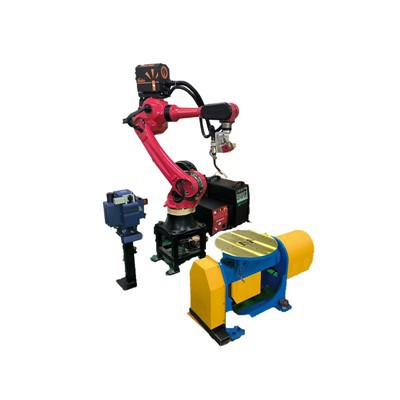
Factors Influencing the Cost of a Stamping Robot
1. Robot Payload Capacity
The payload capacity of a stamping robot is a major determinant of its cost. A robot with a higher payload capacity is designed to handle heavier workpieces. For instance, if a manufacturing process involves stamping large and thick metal sheets, a robot with a high payload capacity, say 500 kg or more, will be required. These high – capacity robots are more expensive because they need stronger motors, more robust mechanical structures, and advanced control systems to manage the weight. In contrast, a robot with a lower payload capacity, around 50 – 100 kg, which is suitable for stamping smaller and lighter components, will be relatively more affordable. The cost difference can range from tens of thousands of dollars, depending on the specific requirements of the stamping task.
2. Reach and Working Envelope
The reach of a stamping robot refers to the maximum distance it can extend its arm from its base. A robot with a larger reach can cover a wider working area. This is crucial in stamping operations where the robot may need to access different parts of a large stamping press or move workpieces over a considerable distance. Robots with a longer reach often require more complex kinematic designs and longer arm segments. As a result, they are more expensive. The working envelope, which is the three – dimensional space within which the robot can operate, also affects the cost. A robot with a larger and more flexible working envelope will have a higher price tag due to the additional engineering and technology required to achieve such functionality.
3. Speed and Precision
In stamping applications, speed and precision are of utmost importance. Robots that can perform stamping operations at high speeds without sacrificing accuracy are in high demand. High – speed stamping robots need advanced servo motors, high – performance controllers, and sophisticated motion control algorithms. These components and technologies add to the cost. For example, a stamping robot that can complete 50 or more stamping cycles per minute with a high degree of precision will be significantly more expensive than a slower – speed robot with lower precision. The precision of a robot is also measured by its repeatability, which is the ability to return to the same position repeatedly. Robots with high repeatability, typically within a few tenths of a millimeter, are more expensive as they require better – quality sensors and more precise mechanical components.
4. Brand and Reputation
Well – known brands in the stamping robot market often charge a premium for their products. These brands have a long – standing reputation for reliability, quality, and excellent after – sales service. They invest heavily in research and development to continuously improve their robots’ performance and features. For example, some established brands may offer advanced programming interfaces, remote monitoring capabilities, and comprehensive training programs for operators. While the initial cost of a stamping robot from a well – known brand may be higher, the long – term benefits in terms of reduced downtime, fewer maintenance issues, and better overall performance can justify the expense. On the other hand, lesser – known brands may offer more budget – friendly options, but they may lack some of the advanced features and support provided by the leading brands.
5. Additional Features and Accessories
Stamping robots can be equipped with a variety of additional features and accessories to enhance their functionality. For example, vision systems can be added to the robot to enable it to identify and position workpieces more accurately. Force sensors can be used to monitor the stamping force and ensure consistent quality. Tool changers allow the robot to switch between different stamping tools quickly, increasing the flexibility of the stamping process. Each of these additional features adds to the cost of the robot. Moreover, custom – designed end – effectors, which are the tools at the end of the robot’s arm, can also significantly increase the price, especially if they are designed to handle specific types of workpieces or perform unique stamping operations.
Cost Breakdown
1. Initial Purchase Cost
The initial purchase cost of a stamping robot typically includes the cost of the robot itself, the controller, and the software. This cost can range from around $50,000 for a basic, small – payload stamping robot to over $500,000 for a high – end, large – payload, and feature – rich robot. The price also depends on the brand, as mentioned earlier. Some suppliers may offer package deals that include installation, training, and a certain period of warranty, which can affect the overall initial cost.
2. Installation and Commissioning
Installing a stamping robot is a complex process that requires specialized knowledge and skills. The cost of installation includes the cost of transporting the robot to the customer’s site, setting it up in the stamping area, and connecting it to the stamping press and other equipment. Commissioning involves testing the robot to ensure that it is functioning correctly and is integrated with the existing production system. The installation and commissioning cost can vary depending on the complexity of the installation, the location of the customer’s site, and the level of support required. On average, this cost can range from $10,000 to $50,000.
3. Training
Proper training is essential for operators to use the stamping robot effectively and safely. Training programs can be provided by the supplier and can cover topics such as robot programming, operation, maintenance, and troubleshooting. The cost of training depends on the duration and the level of detail of the program. It can range from a few thousand dollars for a basic training course to over $10,000 for a comprehensive, in – depth training program.
4. Maintenance and Repair
Stamping robots require regular maintenance to ensure their long – term reliability and performance. Maintenance tasks include lubrication, inspection of mechanical components, and software updates. The cost of maintenance can vary depending on the frequency of maintenance, the type of robot, and the cost of spare parts. On average, the annual maintenance cost can range from 5% to 15% of the initial purchase cost. In addition, unexpected breakdowns may require repair services, which can also add to the overall cost. The cost of repair depends on the nature and severity of the problem, as well as the availability of spare parts.
5. Operating Costs
Operating costs include the cost of electricity, compressed air, and other utilities required to run the stamping robot. The power consumption of a stamping robot depends on its size, speed, and the complexity of its operations. On average, the annual operating cost can range from a few thousand dollars to tens of thousands of dollars, depending on the specific robot and the operating conditions.
Cost – Benefit Analysis
Despite the relatively high cost of stamping robots, they offer significant benefits in the long run. Stamping robots can improve productivity by performing stamping operations at a consistent speed and with high precision. They can also reduce labor costs by replacing human operators in repetitive and dangerous stamping tasks. Moreover, robots can improve the quality of stamped products by reducing the variability in the stamping process.
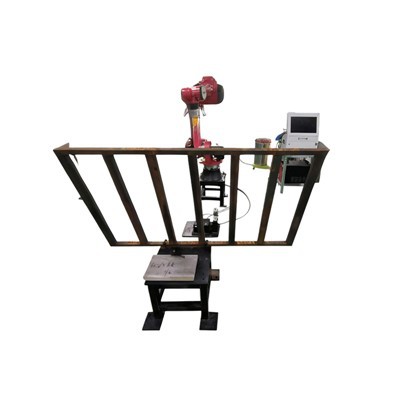
For example, in a large – scale stamping production line, a stamping robot can increase the production output by up to 30% compared to manual stamping. This increase in productivity can lead to higher revenues and a faster return on investment. In addition, the use of robots can reduce the number of defective products, which can save costs associated with rework and scrap.
Contact for Purchase and Negotiation
Industrial Robots If you are considering purchasing a stamping robot for your manufacturing operations, I encourage you to reach out to us. We understand that every customer has unique requirements, and we are committed to providing you with the best – suited stamping robot solution at a competitive price. Our team of experts can help you analyze your needs, select the right robot, and provide you with a detailed cost estimate. Whether you are a small – scale manufacturer or a large – scale industrial enterprise, we have the expertise and the products to meet your stamping needs. Contact us today to start the negotiation process and take your stamping operations to the next level.
References
- "Industrial Robotics: Technology, Programming, and Applications" by Peter Corke.
- "Automation in Manufacturing: Fundamentals and Applications" by Mikell P. Groover.
- Industry reports on stamping robot market trends and costs.
Dongguan Chuanglida Intelligent Equipments Co., Ltd.
As one of the most professional stamping robot manufacturers and suppliers in China, we also support customized service. Please feel free to buy discount stamping robot in stock here from our factory. For price consultation, contact us.
Address: Room 201, Building 2, No. 61, Shachang 1st Road, Dalang Town, Dongguan City, Guangdong Province
E-mail: haoguangli001@outlook.com
WebSite: https://www.boruntestech.com/
