If you’ve ever stood in a grocery store aisle or watched a warehouse team wrap pallets of fresh produce, frozen meats, or snack boxes in that stretchy, clear film that sticks to itself (and only itself, not the items beneath), you’ve probably interacted with food co-extruded stretch packaging film. As a supplier of this exact product, I get more questions about its recyclability than anything else—and lately, it’s the one that stumps even the smartest small business owners and sustainability leads I talk to. Curbside recycling, that weekly pickup we all count on for bottles and cardboard, doesn’t make much space for stretch film, but that doesn’t mean it’s impossible to recycle, period. Let’s break this down like we would over a quick coffee run, no stuffy jargon, no confusing hoops. Food Co-extruded Stretch Packaging Film

First, let’s clear up what co-extruded stretch film even is, because that’s half the confusion. If you’ve ever wondered why a single roll might feel thicker, more puncture-resistant for a pallet of sharp metal cans, or better at keeping produce fresh than a regular plastic bag, it’s because we make it by extruding multiple thin layers of plastic at the same time—no glues, no extra steps, just different plastic blends stacked into one flexible film. Most of the time, for food use, we’re mixing a layer of linear low-density polyethylene (LLDPE) for stretchiness, a layer of low-density polyethylene (LDPE) for clarity, and sometimes a tiny layer of ethylene vinyl acetate (EVA) to make it stick without leaving gunk on pallets or products. It’s not one single plastic, and that’s where the recyclability myth starts. Curbside programs are set up to handle mostly single-material plastics—think #1 PET bottles or #2 HDPE jugs—so a multi-layer film gets lumped into “other plastic” which a lot of curbside services don’t process. That’s not a flaw in the film; that’s a gap in how curbside systems are built today.
Let’s talk about what curbside recycling actually can (and can’t) handle, because this is where most people get tripped up. I’ve seen too many small food brands toss their co-ex film into regular bins, only to have it get caught in recycling machinery at MRFs (material recovery facilities)—those giant sorting hubs. Stretch film is super flexible, so it can wrap around conveyor belts or snarl into sorting equipment, costing facilities thousands in downtime. That’s why a lot of curbside programs flat-out ban any film, stretch or otherwise, from curbside bins. But here’s the thing: that ban isn’t permanent. More and more curbside programs are adding “film-only” collection bins at grocery stores or retail drop-off spots (you’ve probably seen them next to the plastic bag bins) that are designed specifically to handle stretch film, including co-extruded stuff. The key here is that you can’t just toss your used food stretch film into a curbside bin for bottles; it has to go to a drop-off that accepts film. But wait—can that film actually be reprocessed into new stuff?
Yes, it can. I work with a few recycling partners that turn clean, dry food co-extruded stretch film into new pallets, plastic lumber for warehouse docks, even new stretch film itself. The process isn’t perfect—we can’t handle film that’s got food residue, tape, or labels stuck to it—but if you rinse it (or just scrape off any obvious gunk) before dropping it off, it works. The confusion comes from the fact that curbside programs aren’t set up to sort film, but specialized film recycling facilities are. So the question isn’t “is it recyclable in curbside?” It’s “are you using curbside correctly, or using the right drop-off for this type of plastic?” And if you’re a food brand or a warehouse manager, that’s a fix that’s totally doable.
Let’s address the common myths I hear every day, because these have tripped up so many of my clients. First myth: “Multi-layer plastic is impossible to recycle.” Nah, that’s old info. Ten years ago, most multi-layer plastics were either burned or dumped, but today’s recycling tech (things like advanced sorting sensors and chemical recycling tweaks) means we can separate those layers and reprocess them. For food co-ex film, specifically, since all the layers are polyethylenes (the same general plastic family), they’re way easier to reprocess than multi-layer plastics with mixed resin types (like a plastic bag with a foil layer for freshness). That’s one big win for our product—we’re not using a bunch of random plastics that can’t be sorted.
Second myth: “All curbside programs accept stretch film now.” Nope, not even close. I live in a mid-sized city in the Midwest, and only 2 out of 5 curbside services here allow any film; the rest still ban it. But that’s changing fast because grocers are pushing for more film recycling, and MRFs are investing in machines that can handle it. If your local program doesn’t take stretch film, ask them to add it—programs actually listen when businesses and residents speak up. A lot of curbside services only say no because they haven’t gotten enough requests.
Third myth: “If it’s not curbside recyclable, it’s bad for the environment.” That’s a tough one, because it’s not black and white. Co-extruded stretch film is super efficient for food packaging—its stretch means you use less material to wrap a pallet, so overall plastic waste is lower than using a thicker, less flexible film. And when you recycle it correctly, that’s a way better outcome than letting it end up in a landfill. I’ve had a few clients switch from single-use corrugated wrap to our stretch film, and their plastic waste went down by 40% because they use less material per pallet. That’s a sustainability win a lot of people miss when they just look at recyclability in curbside.
Now, let’s get practical for anyone actually using this film—whether you’re a small bakery shipping cookie boxes, a distributor wrapping pallets of frozen veggies, or a warehouse manager figuring out your end-of-life plan. First step: make sure the film you’re using is actually clean. Food residue is the #1 thing that ruins a batch of recycled film. That means if you get film with sauce spills, berry stains, or whatever else on it, take two minutes to wipe it off before recycling. Even better, train your team to keep scrap film (off-cuts from pallets, leftover rolls) in a labeled bin, not the trash. Second, find your local film drop-off spot. Most grocery chains (Walmart, Kroger, Whole Foods) have a drop-off bin for plastic bags and stretch film—just check the customer service desk. If you can’t find one, search the How2Recycle website (I’ll link it in the references) for a location near you. Third, if your curbside program still won’t take it, advocate. A quick email or phone call to your local waste management company asking to add stretch film to accepted items works more often than you think. I’ve helped a few small clients draft those emails, and all of them had their programs add film within 6 months.
Wait, let’s talk about the challenges, because I don’t want to sugarcoat it. There are still kinks in the system. For example, a lot of curbside programs that do accept film only take clear, 100% LDPE bags, not the thick, co-extruded stretch film. That means you have to make sure you’re using the right drop-off, not just any film bin. Also, if you mix stretch film with other plastics (like bubble wrap or grocery bags), it can still cause issues at the recycling facility. The rule we always tell clients is: if it’s stretchy, sticks to itself, and is used for wrapping pallets or large food batches, it’s co-extruded stretch film—keep it separate from other plastics at drop-off.
I also get asked a lot about compostability, and I’ll be honest: most food co-extruded stretch film isn’t compostable, and that’s a design choice. Compostable films usually break down into food waste, which isn’t ideal for pallets that might be sitting in a warehouse for weeks or get exposed to chemicals or non-food items. Our film is designed to protect food, keep it fresh, and reduce overall packaging waste—and when recycled correctly, it’s a way better option than single-use plastics that end up in landfills. That said, if compostability is a must for your brand, we do offer a compostable variant for small-batch food use, but it’s still not curbside recyclable in most places—so same rule applies: drop it off at a specialized compost film bin.
Let’s wrap this up (pun totally intended, I’m sorry) for anyone still on the fence. Is food co-extruded stretch packaging film recyclable in curbside programs? Not always—at least not yet. But it is recyclable, period, and there are easy fixes to make it work even when your local curbside doesn’t have it. The key isn’t to give up on recycling; it’s to use the right collection spot, keep the film clean, and advocate for your program to expand what it accepts. As a supplier, I’m not here to sell you a product that’s perfect for the planet and impossible to get rid of. We work with recycling partners to make sure our film has a clear end-of-life, and we’re always updating our products to be easier to recycle.
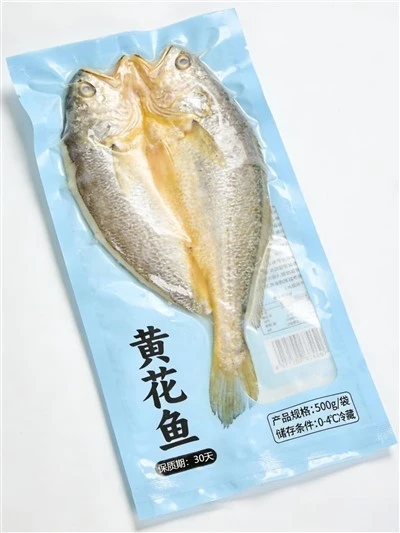
If you’re a food brand, warehouse, or distributor looking to switch to a more sustainable stretch film, or you have questions about recycling your current film, feel free to reach out to our team to chat procurement and sustainability solutions. We’re all about making this stuff work for you and the planet, no stuffy hoops to jump through.
Vacuum Food Bags For more info on film recycling and curbside program guidelines, check these sources:
- How2Recycle. 2024. "Plastic Film Recycling Guidelines."
- National Association for PET Container Resources (NAPCOR). 2023. "Multi-Layer Polyethylene Recycling Report."
- Resource Recycling. 2024. "MRF Adaptations for Stretch Film Sorting."
Shandong Yiming Plastic Products Co., Ltd.
As one of the most professional food co-extruded stretch packaging film manufacturers in China, we’re featured by quality products and good price. Please rest assured to wholesale cheap food co-extruded stretch packaging film made in China here from our factory. Customized orders are welcome.
Address: Opposite Tower Pole Factory, south of Hengliu road, Shunwang Sub-district, Zhucheng City, Weifang City, Shandong Province
E-mail: sdyiming16888@qq.com
WebSite: https://www.toppackingsolution.com/
