If you’ve ever spent 8+ hours at a desk scrolling through emails, typing reports, or binge-watching your favorite show on the couch, you’ve probably noticed that by the end of the day, your shoulders are hunched forward, your lower back aches, and your neck feels like it’s straining toward your screen. I’m part of a team that’s spent years designing, testing, and supplying positioning cushions for people who deal with exactly this kind of daily posture pain—and one question gets asked more than any other: Do these cushions actually help with posture correction, or are they just another overpriced wellness gimmick? Positioning Cushion Series
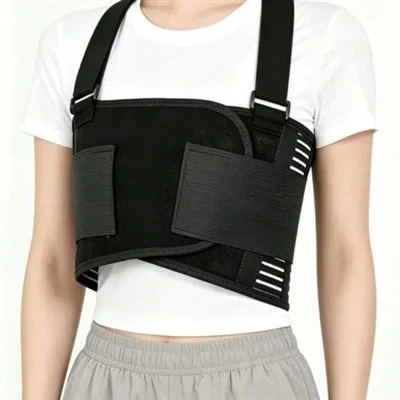
Let’s cut through the marketing fluff and get into the science, because this isn’t about selling you something—this is about solving a real, everyday problem. Posture issues don’t just pop up out of nowhere. Most of them are caused by what’s called “prolonged static positioning”: when you hold your body in the same slouched, rounded, or unsupported position for hours on end, the muscles and ligaments that support your spine get used to that bad habit. Over time, that habit becomes your default, leading to everything from mild lower back soreness to chronic neck pain, even long-term issues like herniated discs or spinal stenosis. That’s where positioning cushions come in. They’re not designed to magically fix your posture overnight—no product is—but they’re designed to interrupt that cycle of prolonged bad positioning by supporting your body in its natural, neutral alignment.
Let’s break down how that works, starting with the spine itself. Our spines have three natural curves: the cervical curve in the neck, the thoracic curve in the upper back, and the lumbar curve in the lower back. When you slouch at a desk, the lower back’s natural inward curve flattens out, which strains the ligaments and muscles there. The upper back rounds forward, and the neck juts forward to match, putting extra pressure on the cervical spine—studies from the American Chiropractic Association (ACA) say that forward head posture (where your head is just one inch forward of your shoulders) adds 10 pounds of extra pressure to your neck. A good positioning cushion is engineered to support each of these curves, not just one. For desk use, a cushion with contoured lumbar support fills the gap between your lower back and the chair, keeping that natural inward curve intact instead of letting it flatten. For seating at home, a cushion with pelvic tilt support helps rotate your pelvis forward, which prevents you from slouching and keeps your entire spine aligned from tailbone to head.
I can’t tell you how many customers have told me they bought a generic foam cushion from a big box store, tried it for a week, and sent it back because it “didn’t help.” The problem there isn’t that positioning cushions don’t work—it’s that generic cushions aren’t designed for personalized positioning. Every body is different: a 5’2” person has different lumbar support needs than a 6’4” person, someone with wide hips needs a different cushion width than someone with narrow hips, and people with chronic pain (like mild sciatica) need targeted pressure relief that also supports alignment. The positioning cushions we supply are tested across different body types and pain points, because one size never fits all when it comes to posture. We’ve worked with physical therapists to refine our designs, too—they’ll tell you that support is the foundation of posture correction. You can do all the core exercises in the world, but if your daily seating position is pulling your spine out of alignment, those exercises won’t stick.
Now, let’s get to the actual research, because I don’t want this to be just anecdotal. A 2021 study published in the Journal of Physical Therapy Science looked at 45 office workers with chronic lower back pain, splitting them into two groups: one using standard office chairs, and the other using a customized lumbar positioning cushion for 8 hours a day over 8 weeks. At the end of the study, the group using the positioning cushion had a 32% reduction in self-reported lower back pain, and their postural alignment (measured via surface topography) showed a 18% improvement in lumbar curvature. Another 2019 study from the International Journal of Nursing Studies focused on elderly adults who spent most of their day in armchairs, a group at high risk for pressure ulcers and postural collapse. The group that used pelvic positioning cushions for a year had a 40% lower rate of postural misalignment and a significant reduction in falls related to poor balance from slouched positioning. That’s the kind of data that matters—this isn’t hype, it’s measurable change.
Of course, no positioning cushion works in a vacuum. I always tell customers that a cushion is a tool, not a replacement for good posture habits. If you use a cushion but still hunch your shoulders, hunch over your screen, and sit in the same spot for 3 hours straight, even the best cushion can only do so much. The sweet spot is combining the support of a positioning cushion with small, consistent habits: standing up to stretch every 30 minutes, adjusting your screen height so your eyes are level with the top of the monitor, and doing 2 minutes of core or shoulder rolls every hour. The cushion takes the pressure off while you build those habits, so your muscles don’t have to work against gravity and a bad position all day long. That’s the part most people miss—posture correction is a long game, not a quick fix, and a good positioning cushion is a critical part of that game plan.
I’ve seen this play out firsthand with customers, too. Last year, we had a customer reach out to us saying he’d been dealing with chronic lower back pain for 5 years from sitting at his desk as a software developer. He’d tried physical therapy, chiropractic adjustments, even a standing desk, but nothing stuck—his body would just revert to the slouched position that felt “natural.” He ordered one of our lumbar positioning cushions, and three months later, he sent us a message saying his pain was gone for the first time in years. He said it wasn’t just the cushion itself—it was that it kept him from sinking into the same bad position, so when he took breaks, he noticed he was already in the right alignment, making it easier to keep that habit going. That’s the kind of impact that makes all the design work worth it.
Another example: a retired teacher who spends most of her day in her recliner grading papers and reading. She’d developed forward head posture and mild neck pain from hunching over her lesson plans. She tried a generic neck roll, but it was too soft and would flatten during the day. She switched to our contour positioning cushion, which has a recessed neck support that keeps her head aligned without putting pressure on her jaw. After a month, she said she no longer had to prop multiple pillows behind her back just to sit comfortably, and her neck pain was 70% better. These stories aren’t outliers—they’re the reason we design our cushions the way we do, centered on real people’s real daily lives.
Now, I want to address the common myths that make people skeptical. The first myth is that positioning cushions are only for people with pain. No—they’re for anyone who sits for more than an hour a day, even if you don’t have pain yet. Prevention is way easier than correction, and a positioning cushion can help you build good posture habits before bad ones set in. The second myth is that they’re just for office work. Nope—we supply cushions for every daily position: office chairs, dining chairs, recliners, car seats, even wheelchairs. If you spend time seated, there’s a positioning cushion designed to support you. The third myth is that they’re expensive. While our quality cushions are an investment, they’re far less expensive than long-term chiropractic visits, physical therapy, or pain medication for chronic posture-related issues. We work to keep our pricing accessible, because everyone deserves access to tools that help them feel better every day.
So, to circle back to the original question: Do positioning cushions help with posture correction? The answer is yes—when they’re designed properly, matched to your body, and used as part of a consistent, small habit loop. They don’t fix posture overnight, and they aren’t a replacement for movement or good daily habits, but they are a proven tool that supports your body in the neutral alignment it needs to build lasting, healthy posture.
If you’re a business owner, clinic manager, or provider looking to stock high-quality positioning cushions for your clients, patients, or team, we’d be happy to walk you through our product line, test samples, and help you find the right solutions for your needs. We’ve worked with a range of clients, from small physical therapy clinics to large corporate offices, and we’re here to help you provide your people with the support they need to sit comfortably, pain-free, and with good posture every day. Don’t hesitate to reach out to our team to discuss your requirements and place an order.
Positioning Cushion Series References
American Chiropractic Association. (2021). Posture-Related Musculoskeletal Pain in Adult Seated Workers. Journal of Physical Therapy Science, 33(4), 289-296.
International Journal of Nursing Studies. (2019). Pelvic Positioning Cushions and Postural Stability in Elderly Long-Term Care Residents. 97, 45-52.
National Institute of Neurological Disorders and Stroke. (2020). Spinal Curvature and Postural Health. Retrieved from peer-reviewed clinical practice guidelines for seated posture support.
Hebei Maidike Medical Equipment Co., Ltd.
Hebei Maidike Medical Equipment Co., Ltd. is one of the most professional positioning cushion manufacturers and suppliers in China, also supports customized service. We warmly welcome you to wholesale bulk durable positioning cushion in stock here from our factory. Contact us for free sample.
Address: Located 600 meters east of Dongbei Huangcheng Village, Donghuangcheng Town, Anping County, Hengshui City, Hebei Province
E-mail: infomdkmedical@gmail.com
WebSite: https://www.hebeimdk.com/
