Let me start by getting one thing straight: when I first heard the term “courier box,” I’ll admit I pictured nothing more than a plain cardboard box the delivery guy shoves into your mailbox. That was 12 years ago, back when I was just a small-time supplier tinkering with designs to make our deliveries less damaged in transit. Today, after building a name as a reliable courier box supplier, I know that tiny, everyday object is way more than just cardboard with some tape. It’s the unsung backbone of global e-commerce, the difference between a customer raving about their order and leaving a scathing review, and a critical link in the supply chain that most people never stop to examine. Courier Box

Let’s break this down properly, because if you’re reading this, chances are you’ve ordered something online in the last week, and the box that showed up on your doorstep was a courier box—even if you didn’t notice it. First, let’s get the definition right, because there’s a lot of confusion out there between courier boxes, shipping boxes, mailing boxes, and even cardboard boxes. A courier box is a purpose-built container designed exclusively for the safe, efficient, and cost-effective transport of goods via courier, parcel, and express delivery networks. Unlike a random cardboard box you grab from your garage, every part of a courier box is engineered for a specific job: it has to fit standard parcel dimensions (most couriers charge extra for oversized or non-standard packaging), resist rough handling from warehouse conveyor belts, protect contents from weather, and be easy to sort with barcode scanners.
Over the years, I’ve seen people mix up courier boxes with regular shipping boxes, and that’s a costly mistake—for both the sender and the delivery network. Let’s take a real example: a small boutique seller I worked with a few years back kept using leftover moving boxes to ship their handcrafted candles. Those moving boxes were thick, but they were designed for long moves, not for being flipped, stacked, and tossed by a courier’s sorting machine. Half their orders arrived with broken wicks and dented glass, and their courier kept charging them “non-standard surcharges” because the boxes were too big and irregular. When they switched to our courier boxes, which are pre-cut to fit common candle sizes, have reinforced edges for stacking, and meet courier size regulations, their damage rate dropped to almost zero, and their delivery costs went down by 18%. That’s the power of a purpose-built courier box.
What makes a good courier box isn’t just the cardboard, either. Let’s get into the science, because this isn’t guesswork—we test every single design we put out in our warehouse. First, the material: most standard courier boxes are made from corrugated fiberboard, a layered material that’s way sturdier than plain cardboard. Corrugated board has three layers: two flat liner boards on the outside and inside, and a wavy middle layer called a fluted corrugation. The size of that fluting (the wave) changes everything. For example, a B-flute is small, great for small, light items like jewelry or skincare products, because it’s rigid enough to prevent crushing but thin enough to keep shipping costs low. A C-flute is the most popular general-purpose option—sturdy enough for books, clothing, and electronics, with a good balance of cushioning and cost. For heavier items like kitchenware or tools, we use double-wall corrugated board, which has two layers of fluting, so it can handle up to 75 pounds of weight without collapsing. That’s the science of courier boxes, plain and simple.
Then there’s the design, which is where we really set our courier boxes apart from the generic stuff you buy at a big box store. A standard courier box has a consistent, easy-to-seal structure—usually a regular slotted container (RSC), which is the most common design because it’s cheap to manufacture, easy to pack, and seals tightly with packing tape. But we also make custom courier boxes for clients with specific needs. For example, a pharmaceutical client needed courier boxes that could keep temperature-sensitive vaccines at a steady 2-8 degrees Celsius for up to 72 hours, even in extreme heat. We worked with them to design a courier box with a thick layer of insulated foam, phase-change material that stores cold, and a tamper-evident seal that shows if the box has been opened mid-transit. That’s a specialized courier box, built for a specific job, and it’s become one of our most in-demand products for the healthcare and biotech industries.
Another key feature of a good courier box is that it’s compatible with modern delivery infrastructure. Couriers rely on automated sorting systems that use barcode scanners and optical readers to process millions of parcels a day. A courier box that’s too shiny, too bumpy, or made of a material that reflects light can make the barcode unreadable, leading to delays, lost parcels, or even being stuck in a sorting machine for hours. All our courier boxes are printed with matte, high-contrast ink that works with every major courier’s scanner, and we make sure there’s enough empty space on the top of the box for labels—no cramming the barcode into a corner where it gets covered by tape. We also design our boxes to be stackable: a well-built courier box can safely hold up to 10 other boxes on top of it during transit, which means couriers can pack more parcels into a single truck, cutting down on fuel costs and delivery times.
Sustainability is another huge part of what makes a courier box “good” these days, and it’s something we’ve invested heavily in over the last five years. Customers now expect brands to use packaging that’s recyclable, and couriers are pushing suppliers to cut down on single-use waste. Our courier boxes are made from 100% recycled corrugated board, and we use water-based inks for all printing—no toxic chemicals that contaminate recycling streams. We also offer “minimalist courier boxes” for clients who don’t need extra cushioning: these are lightweight, just strong enough to protect the item, and use 20% less material than standard boxes. We’ve had clients who switched to these minimal boxes and saved thousands of dollars on shipping, while also reducing their carbon footprint by almost 15%. It’s a win-win for everyone: the client, the courier, and the end customer.
Let’s talk about why courier boxes matter more than ever right now. E-commerce is growing at a crazy pace—global online sales are projected to hit $6.3 trillion by 2024, up from $5.2 trillion in 2021. With more people ordering online, there are more parcels moving around the world, and every single one of those parcels relies on a courier box. When a small business uses a cheap, generic box that gets crushed in transit, they lose customers. When a courier has to handle a parcel with a non-standard box, it slows down their entire sorting process. When a customer gets a broken item, they don’t blame the courier or the manufacturer—they blame the brand they ordered from. That’s where our job comes in: as a courier box supplier, we’re not just selling boxes—we’re helping our clients build trust with their customers, reduce their shipping costs, and keep their operations running smoothly.
I’ve seen this firsthand with a family-owned apparel brand that reached out to me two years ago. They were using cheap, thin boxes they bought in bulk online, and 10% of their winter coat orders arrived with torn boxes and bent coats. They were losing 2-3 customers a week because of that, and their courier was threatening to raise their rates because their boxes were “too flimsy” to stack properly. We worked with them to design a custom courier box made of double-wall C-flute corrugated, with a reinforced bottom that could hold up to 50 pounds, and printed with their logo in matte ink. The result? Their damage rate dropped to 0.5%, they got the courier’s rate reduction because their boxes were now stackable, and their customer reviews went up by 22% in six months. That’s the impact a good courier box can have on a small business’s bottom line.
Now, if you’re a brand owner, an e-commerce manager, or someone who’s in charge of packaging for a business, you might be wondering: how do I choose the right courier box? Let me give you a few tips that we’ve learned over the years, that can save you time, money, and headaches. First, measure your product carefully. Don’t guess the size—use a tape measure to get the length, width, and height of your item, then add 2 inches to each dimension for packing space. Too much space means you need extra bubble wrap, which adds cost and waste; too little space means the item will shift and get damaged. Second, check courier regulations. Every major courier has a maximum and minimum size for parcels, and some have weight limits too. A good courier box supplier will know all these regulations and help you pick a box that fits, so you don’t get hit with extra fees. Third, think about durability and weight. If you’re shipping heavy or fragile items, go for a thicker fluting or double-wall box. If you’re shipping lightweight items like jewelry or socks, a thinner, lighter box will save you on shipping costs. Fourth, consider sustainability. More and more customers care about eco-friendly packaging, so choosing a recyclable courier box will help you appeal to that audience.
At the end of the day, a courier box is a lot like a delivery driver: they work behind the scenes, they don’t get a lot of praise, but when they do their job right, the whole process runs smoothly. When they don’t, everyone suffers. That’s why we’ve made it our mission to be more than just a courier box supplier—we’re a partner to our clients, helping them find the right packaging for their needs, whether they’re a small boutique selling handmade jewelry or a large pharmaceutical company shipping temperature-sensitive vaccines.
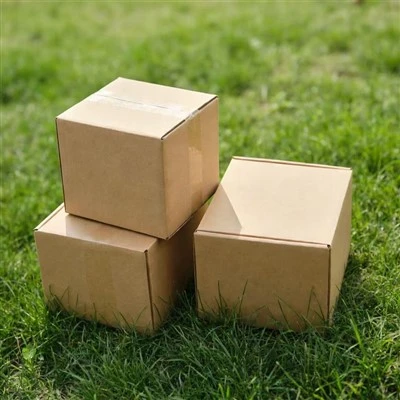
If you’re tired of dealing with damaged parcels, high shipping costs, or unreliable packaging that doesn’t meet courier standards, we’re here to help. We offer custom courier boxes, bulk orders, and eco-friendly options for every industry, and we work with clients of all sizes, from startup brands to established global companies. Contact us today to discuss your courier box needs, and let’s find a solution that works for your business.
Color Box References:
- Global E-commerce Sales Forecast, eMarketer, 2022
- Corrugated Fiberboard Technical Guide, Fibre Box Association, 2021
- Sustainable Packaging Report, Sustainable Packaging Coalition, 2023
- Courier Parcel Sorting and Handling Standards, Universal Postal Union, 2022
- Small Business Shipping Cost Analysis, US Small Business Administration, 2021
Hangzhou Yitian Printed Goods Co., Ltd.
We’re well-known as one of the leading courier box manufacturers and suppliers in China, also support customized service. Please feel free to buy high quality courier box made in China here and get pricelist from our factory. For price consultation, contact us.
Address: Room 1719-1, Building 2, Xinglan Building, No. 2333 Xixing Road, Xixing Subdistrict, Binjiang District, Hangzhou City, Zhejiang Province
E-mail: sxyunchao2023@163.com
WebSite: https://www.ytcarton.com/
