If you’ve ever stood in front of a heavy, industrial vault door—whether it’s on a secure commercial storage unit, a small business’s backroom, or a specialized facility holding high-value assets—you know it’s more than just a metal door. It’s a precision-engineered system designed to keep what’s inside safe from theft, fire, and even physical damage. But like any mechanical or electronic system, vault doors don’t stay perfect forever. Over time, heavy use, accidental impacts, weather exposure (for outdoor units), or wear on internal components can lead to damage that might leave you wondering: How do I fix this without risking the security the door is supposed to provide? As a vault door supplier with over 12 years in the industry, I’ve seen every kind of damage—from dented frames to misaligned locking bolts—and I’m here to walk you through the practical, science-backed steps to repair a damaged vault door. No jargon, no guesswork, just what works. Vault Door
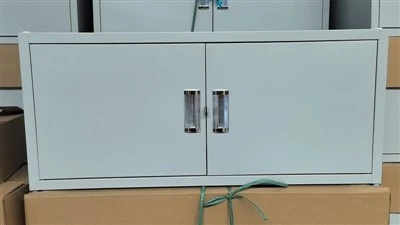
First, before you even pick up a tool, you need to assess the damage correctly. A lot of people jump into repairing a dent or a stuck bolt without checking the full system, and that’s how small issues turn into big ones. Let’s break down the core parts that can be damaged, because that’s where your inspection should start. The main components of a vault door are the door slab (the heavy metal part that swings open), the frame (it sits in the wall and holds the door closed), the locking mechanism (usually bolts that extend into the frame when locked), and the hardware (handles, keypads, hinges).
When inspecting, start with a visual check of the slab. If you see a dent, don’t just note its size—feel around the area to see if it’s pulled the metal or caused a small crack. Dents are common from moving equipment, a falling pallet, or even a vehicle backing into an outdoor vault. But what’s less obvious is whether that dent has warped the slab enough to throw it off alignment with the frame. Next, check the frame itself. The frame is bolted into the surrounding wall, so if the vault was hit hard, the frame might shift slightly. Even a 1/8-inch shift in the frame can make the locking bolts stick or the door not close all the way. Then, test the locking mechanism. Try turning the handle or code to lock and unlock the door a few times slowly. If the bolts grind or don’t extend fully, that’s a sign of misalignment, not just a dirty mechanism. Finally, check the hinges. Hinges take the full weight of the door—some vault doors weigh thousands of pounds—so if the door is sagging or swinging unevenly, the hinges might be loose, bent, or have worn pins.
The biggest mistake I see property owners make is trying to “bang out” a dent with a hammer. That’s a no-go for vault doors, because the metal used in vault slabs is high-strength steel—usually 10-gauge or thicker, sometimes even bullet-resistant steel for specialized units. Hitting it with a hard object can cause micro-cracks in the steel that are impossible to see with a visual check, and those cracks will grow over time, weakening the door’s structural integrity and its security rating. The correct way to repair a dent depends on its location and size. For small, shallow dents (less than 2 inches wide), you can use a dent puller tool designed for heavy metal—these tools attach to the dent’s surface with a suction cup or small clamp, and you twist a handle to pull the dent out slowly. Don’t yank it fast; that can stretch the steel and make the dent worse. For deeper dents or dents that are near the frame or hinges, you’ll need to access the back side of the door if possible. If the vault is a standalone unit, you can usually remove the interior paneling (most vault doors have a hollow core lined with insulation, so the back is flat metal). Once you’re on the back side, use a rubber mallet to tap the dent out gently from the inside, working from the edges toward the center to avoid creating new dents. For dents that have caused small cracks—anything longer than 1/4 inch—you shouldn’t try to repair that yourself. Those cracks require welding with a low-hydrogen steel electrode to prevent future cracking, and that work is best left to a professional who specializes in industrial metal work. Welding vault door steel incorrectly can make the area weaker than the original, which defeats the whole purpose of the door.
Next, the most common issue after a dent or impact is a misaligned door. Even if there’s no big dent, a shift in the frame or hinge can make the door not close properly, leaving a gap that breaks the door’s air and water seal, and more importantly, makes the locking mechanism ineffective. Here, patience is key. First, check the hinges. Open the door about halfway, and look at the gap between the door and frame along the hinge side. If the gap is uneven—wider at the top or bottom—loosen the hinge bolts (don’t remove them completely) and gently tap the hinge with a rubber mallet to adjust its position. For heavy vault doors, you’ll probably need a helper to support the door while you do this, since even a small shift requires moving a lot of weight. Once you adjust the hinges, test closing the door slowly. If it still doesn’t line up with the locking bolts, check the frame. The frame is bolted into the wall with anchor bolts, so if the frame is shifted, you can loosen those bolts and use a pry bar to nudge the frame back into place. The goal is to have a consistent gap (usually 1/16 to 1/8 inch) all around the door when closed. Too small a gap and the door will stick; too large and the locking bolts won’t reach the holes in the frame. If the frame is set in concrete (which is common for in-ground or built-in vaults), adjusting it might require slightly loosening the top anchor bolts and gently lifting the frame before tightening again—this is where having a professional’s help is worth it, because you don’t want to damage the concrete surrounding the vault.
When it comes to the locking mechanism, misalignment is almost always the culprit, not a broken part. But if you’ve adjusted the door and frame and the locking bolts still don’t extend or retract smoothly, there might be internal damage. First, remove the locking mechanism cover (most are on the inside of the door) to inspect the bolts. For manual vault doors, the bolts should slide in and out of their tracks without resistance. If they’re stuck, apply a dry graphite lubricant—never use oil or grease, because those will attract dust and grime over time and make the problem worse. If the bolt is bent, you can try to straighten it with a vise, but again, only if it’s a small bend. A severely bent bolt means the entire locking mechanism might need replacement, and as a vault door supplier, I always recommend using OEM (original equipment manufacturer) parts for this. Generic parts might fit, but they’re not calibrated to work with your door’s exact locking system, which can create new alignment issues. For electronic vault doors—those with keypads or biometric scanners—the damage might not be physical. If the door won’t lock after adjusting the bolts, check the wiring connecting the scanner or keypad to the locking motor. Sometimes an impact can loosen a wire, so a quick visual check of the connections (with the power off, of course) can fix the issue. If the electronic component is damaged, don’t try to replace it with a random part; mismatched electronics can compromise the door’s security features.
Hinge damage is another frequent problem, especially on older vault doors. Over years of use, the hinge pins can wear down, or the hinge brackets can become bent. If your door sags when open or closes with a noticeable scrape along the bottom, the hinges are likely the issue. For minor wear on hinge pins, you can remove the pin, clean it with a wire brush, and apply a light coat of anti-seize lubricant before reinserting it. If the pin is bent, replace it with a hinge pin rated for the weight of your door—standard pins aren’t strong enough for heavy vault doors, and using the wrong pin will lead to more bending. If the hinge bracket on the door or frame is bent, you’ll need to straighten it or, in severe cases, replace the hinge. Replacing hinges requires measuring the exact distance between the bolt holes, because even a 1/4-inch difference will make the hinge not line up, leading to alignment issues again.
Now, a few important safety and maintenance tips to keep your repaired vault door working for years. First, never force the door if it’s sticking. Forcing it can bend locking bolts, crack the door slab, or damage the frame, which will end up costing more in repairs than if you had stopped and adjusted the alignment. Second, perform a monthly check: test the door opens and closes smoothly, check for gaps around the door, and make sure the locking bolts extend all the way into the frame. Small issues caught early are easy to fix, but if you wait until the door won’t open at all, you might have to drill it open (which damages the door beyond repair) before you can even start repairs. Third, for outdoor vaults, cover the door when it’s not in use or during extreme weather—rain and snow can seep into gaps, rust the locking bolts, and freeze, making the door stick in the frame. Rust is a big enemy of vault doors, so wiping down the door and locking mechanism with a dry cloth every few months prevents corrosion.
As someone who works with vault doors daily, I can tell you that the best repair is preventing damage in the first place. But when damage does happen, following these steps will help you fix it without compromising the security that your vault door is designed to provide. Always remember that vault doors are not standard doors—they’re built for heavy-duty, secure use, so their repairs require attention to detail and respect for their structural design.
If you’ve tried repairing your damaged vault door and are unsure about the extent of the damage, or if you’d like to upgrade your current door’s security features during repairs, feel free to reach out for a procurement consultation. Our team can help you assess the damage, source OEM parts if needed, and guide you through the process whether you’re doing the repair yourself or hiring a professional. We’re here to make sure your vault door stays reliable and secure for all your needs.
Military Shelter References
- National Fire Protection Association. (2020). Standard for Fire Tests of Door Assemblies (NFPA 252)
- Underwriters Laboratories. (2021). Standard for Security Containers and Vault Doors (UL 6037)
- Steel Structures Painting Council. (2019). Surface Preparation and Coating for Steel Structures (SSPC-SP 1, SP 6)
- American Society of Mechanical Engineers. (2022). Design of Vault Door Hinges and Locking Mechanisms (ASME B107.19)
Hebei Xinrui Intelligent Technology Development Group Co., Ltd.
With abundant experience, we are one of the most professional vault door manufacturers and suppliers in China. We warmly welcome you to buy high quality vault door at competitive price from our factory. If you have any enquiry about customized service, please feel free to email us.
Address: No.1, Building B, Intelligent Security Industry Park, Economic Development Zone, Wuyi County, Hengshui City, Hebei Province
E-mail: shinraysafe@163.com
WebSite: https://www.shinraysafe.com/
