Hey folks, let’s cut to the chase—if you’ve ever stepped into a sauna that felt either like a slow roast or a muggy, stuffy mess, you know how bad temperature control can kill the vibe. As a sauna supplier, I’ve gotten so many questions from sauna owners and regular users alike: “How do you actually nail the perfect temp without overcomplicating it?” Spoiler alert: it’s not just cranking the heater and crossing your fingers. Let’s break this down like we talk to our regular clients—no stuffy jargon, just real, science-backed stuff that works. Sauna Room

First off, let’s get the basics straight: what even is the ideal sauna temperature? I know some folks swear by 180°F (82°C) for traditional dry saunas, others chill at 160°F (71°C), and even infrared saunas (super popular these days) run a bit lower, around 120–140°F (49–60°C). Here’s the thing—there’s no one-size-fits-all, but the key is consistency, not extremes. Why? Because your body adjusts to the temp fast. If you jump from 150°F to 190°F every 10 minutes, you’ll end up either overheating (hello, dizzy spells) or wasting energy. As a supplier, we design every sauna unit we sell with adjustable thermostats as standard, but there’s more to controlling temp than just turning a dial.
Let’s start with the heating core—this is the heart of temp control, duh. Traditional saunas use either electric heaters or wood-burning stoves, right? Wood stoves give that warm, natural vibe, but they’re way trickier to regulate. If you toss in too many logs, the temp spikes so fast it’ll burn your lungs when you sit near the heater. Too few, and it drops like a rock. Electric heaters? Way more precise. Our commercial and home sauna heaters come with built-in thermostats that calibrate to within 2°F of your set temp—no guesswork. We also add what we call “sauna rocks” (special volcanic, heat-resistant ones) to the heater. These don’t just store heat—when you splash a bit of water on ’em (for that classic steam boost), they release consistent warmth instead of random hot blasts. Pro tip for new sauna owners: if you’re using a wood stove, let it burn down to embers before closing the vents—this keeps temp steady way longer than keeping the stove roaring the whole time.
Next up, ventilation—this is the most underrated part of temp control, I swear. You could have the best heater in the world, but if your sauna has zero airflow, it’ll turn into a humid, sticky box where the temp feels 20°F higher than it actually is. Here’s why: when you sweat, the moisture in the air doesn’t escape, so your body can’t cool itself properly, and trapped heat builds up. Good ventilation flushes out that stale, moist air and brings in fresh dry air, which actually helps the heater maintain the right temp. How we design saunas: we place intake vents low (near the floor) and exhaust vents high (near the ceiling)—hot air rises, so the exhaust pulls out the warm, used air, and the intake brings in cool, dry outside air. We also make these vents adjustable. If you want a bit more heat for a deep sweat, close the intake a little; if you’re feeling overheated, crack both vents wide. Infrared saunas are a different story here—they don’t use hot air, so their ventilation is simpler, but we still add small, quiet fans to circulate the infrared heat evenly so there are no cold spots in the room. I’ve seen so many new sauna users make the mistake of sealing the vents tight to keep heat in, and by the end of their 20-minute sauna, they’re drenched and miserable. Ventilation = non-negotiable.
Then there’s insulation—another big one that most people sleep on. If your sauna walls are just thin wood, half the heat escapes out into the room, so the heater’s constantly working overtime, cycling on and off, and never hitting the right temp. As a supplier, we use 2-inch thick rigid foam insulation between the interior wood panels and the exterior, plus a vapor barrier to lock in heat. What that means for you? The heater runs less frequently, stays at a consistent temp, and your energy bill doesn’t spike. We also pick the right wood for interior walls—cedar or hemlock, not pine. Pine is cheaper, but it’s thinner and doesn’t hold heat as well. Cedar has natural oils that resist warping (from heat and moisture) and holds heat way better, so your sauna temp stays steady longer. I tell every client: invest in good insulation, and you’ll notice a difference in temp control before you even use the heater’s fancy settings.
Wait, what about humidity? A lot of people confuse humidity with temp control, but they’re linked. If humidity is too high, even a “perfect” 180°F sauna feels like a steam room—heavy, hard to breathe. We build saunas with materials that don’t trap moisture, and for those who want to add a bit of steam, we sell optional small steam generators that let you control humidity without spiking the temp. For example, a tiny splash of water on the rocks (1–2 cups max) adds just enough steam to make the sweat feel deeper, but if you add too much, it’ll drop the temp because the water takes heat to evaporate. That’s a little trick we share with all our clients—don’t overdo the water.
Now, common mistakes we see people make when they’re trying to control temp: first, cranking the heater as soon as they get in. Give it 10–15 minutes to preheat properly before you sit in. If you jump in when it’s only 100°F, you’ll turn it up to 180 and it’ll overshoot, leaving you with a way too hot sauna. Second, placing your bench too close to the heater. The area right above the heater is always hotter—sauna benches are designed so the top bench is the warmest, middle is medium, bottom is cool. If you sit on the top bench and crank the heater, that spot will be 10–15°F higher than the rest of the room. We tell people to spread out a little, not huddle right under the heater. Third, ignoring the size of the sauna. If you have a 2-person sauna, don’t use a 4-person heater—it’ll run too hot, no matter what you do. If you have a 6-person commercial sauna, a tiny heater will never hit the right temp, even with perfect insulation. That’s why we help clients pick the right heater size when they order—way better than guessing.
Let’s talk about infrared saunas too, since they’re super popular these days. A lot of folks think they’re easier to control, but they’re not. Infrared heaters don’t warm the air—they warm your body directly, so temp feels different. If you set the thermostat to 140°F, the air might only be 120°F, but you’ll feel warm because the infrared rays hit you. To control temp here, you need to adjust the distance from the heaters, not just the dial. We put infrared panels at chest height and foot level, so you can angle them away from you if you’re getting too warm, or point them towards you for more heat. Also, infrared saunas don’t need as much ventilation, but you still need to let a little fresh air in—otherwise, the air gets stagnant, and even though you’re not hot, you’ll feel stuffy.
Another thing: regular maintenance. Temp control doesn’t stop when the sauna is installed. Every 6 months, you should check your heater’s thermostat to make sure it’s calibrated—sometimes they get off by a few degrees, which throws everything off. Clean the sauna rocks too—old sweat and mineral buildup from water can make the rocks crack, or prevent them from storing heat properly. And check the vents for dust or debris that might block airflow. We send a simple maintenance guide with every sauna we sell, but I’ll drop a quick tip here: if your heater’s cycling on and off every 5 minutes, that’s a sign your insulation is bad or vents are blocked, not that the heater is broken.
Wait, let’s get real for a sec—some clients ask us, “Why does my temp feel different every time I use it?” A lot of that’s not the sauna itself, it’s usage. If you bring in wet towels or swim trunks, they add moisture to the air, which lowers the perceived temp. If you have a group of 4 people in a 2-person sauna, their body heat will raise the temp way faster than the heater can keep up, so it’ll feel hotter. That’s why we always tell commercial clients—set a max capacity for the sauna, and remind guests not to bring wet stuff inside. It’s not just for temp control, it’s for keeping the sauna in good shape.
At the end of the day, controlling sauna temp isn’t rocket science, but it does rely on a few key parts: the right heater, good ventilation, proper insulation, and matching the setup to your space. As a sauna supplier, we don’t just sell units—we walk clients through figuring out what works for them, whether that’s a small home unit for personal use, a mid-sized one for a gym, or a commercial setup for a hotel. If you’re tired of saunas that feel too hot, too cold, or just inconsistent, we can help you pick the right parts, install it right, and even give you tips to keep temp steady long after it’s set up.
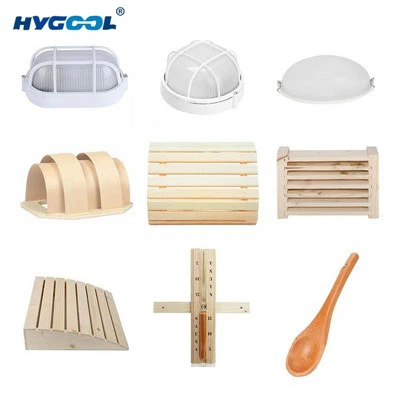
If you’re looking to add a sauna to your home, business, or recreation space, or you have questions about temp control for an existing sauna, reach out to us to chat through your needs. We’re here to make sure your sauna is exactly the vibe you want—consistent, comfortable, and perfect for that post-sweat relaxation.
Pool Light References:
- "Sauna Thermodynamics: Optimizing Temperature and Airflow" – Journal of Thermal Biology, 2021
- "Indoor Sauna Design and Maintenance Guidelines" – International Sauna Association, 2022
- "Infrared vs. Traditional Sauna Temperature Regulation" – Journal of Environmental Health, 2020
- "Commercial Sauna Ventilation and Insulation Best Practices" – Hospitality Design & Engineering, 2021
Guangzhou Qiaoyi Water Treatment Technology Co., Ltd.
Address: Floor 6th, Building 2, No. 3, Ketai 1st Road, Baiyun District, Guangzhou 510445, Guangdong Province, China
E-mail: Hygool@hygool.com
WebSite: https://www.hygool.com/
