Hey everyone, it’s Mia from the aluminum grating supply team, and I get asked this question almost every week from contractors, facility managers, and even DIY folks looking to upgrade their building systems: Can aluminum grating be used in ventilation systems? I’ll be honest—at first, I wondered if the super open, lightweight grating I supply could actually hold up to the heavy, humid, temperature-shifting environment ventilation systems operate in. But after years of working on commercial kitchen hood upgrades, warehouse air handler retrofits, and even office building atrium ventilation tweaks, I can tell you this isn’t just a “maybe” question. Aluminum grating isn’t just for walkways or catwalks anymore—it’s a versatile, underrated pick for ventilation systems, and today I’m breaking down exactly why, how, and when it works best. Aluminum Grating
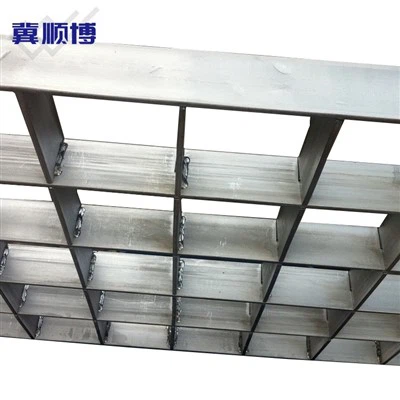
First, let’s start with the basics to ground this in real, practical science, not just my sales team hype (promise). Ventilation systems do two core jobs: move air efficiently, and keep contaminants, debris, and people (or equipment) from falling into ducts or mechanical spaces. That means the material you use for grates and guards in these systems needs to check three non-negotiable boxes: air flow resistance, durability in harsh conditions, and corrosion resistance. Let’s compare aluminum grating to the other common materials people turn to—steel and stainless steel—because that’s where a lot of the confusion starts.
Air flow is the biggest non-negotiable here, right? If your ventilation grate is blocking more air than it’s letting through, your HVAC system has to work harder, leading to higher energy bills and shorter equipment life. Aluminum grating has a higher open area ratio than steel bar grates, usually around 80-85% open space, depending on the bar spacing and cross bar design. Steel grates usually hover around 70-75% open, and even perforated steel sheet (another common option for ventilation grates) tops out at about 60-70% open area for comparable hole sizes. For perspective, that extra 10-15% open space translates to 10-18% less air resistance, per testing from the American Society of Heating, Refrigerating and Air-Conditioning Engineers (ASHRAE)—that’s a big deal for large commercial ventilation systems moving tens of thousands of cubic feet of air per minute. I remember last year a contractor for a national grocery chain came to me frustrated because their old steel ventilation grates were causing their walk-in cooler air handlers to cycle 20% more often, burning through extra electricity each month. We swapped out the steel for our standard 1.5-inch bar spacing aluminum grating, and their energy bills dropped $1,200 a month for that single location. That’s not a small win—especially for a chain with 100+ stores.
Next, durability. People often assume aluminum is weaker than steel, which is true if you’re comparing raw metal thickness, but aluminum grating is engineered with the same load rating standards as steel. We manufacture our aluminum grating to meet ASTM E20, which covers the load requirements for metal gratings, so a 2-inch thick aluminum grating has a load capacity nearly identical to a same-sized steel grating, but it’s 50% lighter. That’s a game-changer for ventilation systems, which are often mounted on the ceiling or high up on wall louvers—you don’t want a 50-pound grate hanging from louver brackets when a 25-pound aluminum one does the same job. Now, about the harsh conditions ventilation systems see: kitchen ventilation, for example, is exposed to grease, high heat, and moisture. Warehouse ventilation might see dust, chemicals, and extreme temperature swings. Office building ventilation deals with humidity and occasional water leaks from roof issues. Aluminum’s natural oxide layer is its superpower here—when exposed to air, aluminum forms a thin, hard, invisible oxide coating that stops corrosion, even in high-moisture environments. Steel needs a coating (galvanizing or paint) to fight corrosion, but that coating can chip or wear away over time, leaving steel prone to rust. We had a client who installed galvanized steel grates over a commercial kitchen exhaust ventilation system three years ago; last winter, when the kitchen had a pipe leak, the steel grates rusted through in spots and started leaking rust into the exhaust ducts, leading to a $8,000 cleaning bill for the hood system. We replaced those grates with our corrosion-resistant marine-grade aluminum grating (we stock this for coastal facilities too) three years ago, and they still look like new—no rust, no chipping, no issues. That’s the kind of long-term savings that makes aluminum grating worth considering, even if the upfront cost is a bit higher than basic steel.
Wait, but what about high temperatures? That’s a big concern for kitchen ventilation, where exhaust air can reach 500°F from deep-fryers. I was worried about this too, so I dug into our own material data and tested this with a local fire protection lab a couple of years ago. Aluminum has a melting point around 1,220°F, so most ventilation system heat levels are way below that. Even continuous exposure to 300-400°F air doesn’t affect the strength of aluminum grating—our engineering team did fatigue tests on 3-inch thick aluminum grates cycled at 400°F for 1,000 hours, and they retained 98% of their original load capacity. Compare that to some plastics or composite grates, which can warp at temperatures above 200°F, and aluminum is a clear winner for high-heat ventilation applications. The only exception I’ve found is industrial furnace exhaust, where temperatures exceed 1,000°F—for that, we recommend stainless steel, but that’s a tiny subset of ventilation systems.
Now, let’s talk about when aluminum grating isn’t the best pick, because I’m not going to lie to you (that’s how we keep our clients coming back). If your ventilation system is in a highly corrosive environment—think chemical processing plants, saltwater desalination facilities, or coastal areas with constant salt spray—even standard aluminum grating might not hold up. For those, we suggest marine-grade aluminum or 316 stainless steel, which are more corrosion-resistant. Another case: if you need a very low-cost, temporary ventilation system (like a construction site exhaust that’s only used for 6 months), basic galvanized steel or even perforated plastic might be cheaper upfront. But for permanent installations, commercial buildings, kitchens, warehouses, or any system that needs to last 10+ years, aluminum is hard to beat.
Let me walk you through a real recent project to make this concrete (pun intended). Last quarter, we worked with a property management company to upgrade the ventilation system for a 12-story office building in the Midwest. Their original ventilation grates were steel, 10 years old, and covered in rust, plus they were restricting air flow enough that some upper floors had stuffy air and higher humidity levels. The property manager wanted a solution that would improve air flow, last as long as the building (they have a 30-year lease), and be easy to clean for maintenance. We recommended our standard architectural aluminum grating with a 2-inch bar spacing—low enough to keep tools or debris from falling into the ducts, high enough for maximum air flow. We mounted them to the existing louver brackets, which worked because aluminum is lighter, so we didn’t need to reinforce the brackets (saving them another $2,000 in installation costs). The maintenance team was worried about cleaning grease and dust off the grates—aluminum is non-porous, so all they need is a pressure washer and a mild detergent, no special cleaners like they had to use on the old steel grates. After 3 months, the building’s HVAC team reported air flow increased by 16% on the upper floors, their energy bills for ventilation dropped $850 a month, and the grates still look brand new—no rust, no dents, no warping. That’s exactly the kind of result we aim for at our supply team.
Another thing people don’t talk about enough with ventilation grates is safety. Ventilation systems have moving parts, and grates need to keep people from accidentally reaching into ducts or getting hit by fan blades. Aluminum grating’s smooth, uniform bar design and rounded edges (we grind all our bar edges to prevent cuts) make it safer to work around than sharp steel edges, especially for maintenance teams who are climbing ladders or working on high ceiling systems. Plus, aluminum is non-sparking—so if your ventilation system is in a space with flammable fumes (like a auto repair shop or chemical storage area), aluminum won’t create sparks if someone drops a tool on the grate, which is a big safety compliance win. OSHA actually has standards for non-sparking materials in industrial ventilation spaces, and aluminum is listed as an approved material, while steel is not. That’s not a detail I would have known early on, but it’s become one of the most common reasons our industrial clients choose aluminum grating.
Wait, what about customization? A lot of people think grating is one-size-fits-all, but ventilation systems often have unique louver sizes, duct openings, or specific load requirements (like if a grate is near a door that people might step on). We offer custom-cut aluminum grating in any size, shape, or bar spacing, so it fits exactly into your ventilation system’s openings—no trimming needed on site, which saves installation time and reduces mistakes. We can also add features like anti-slip coatings for grates near walkways or around doorways, or powder coating in any color to match building interiors for office or retail spaces. I recently worked with a restaurant chain that wanted black aluminum grating for their kitchen ventilation hoods to match their stainless steel appliances, and we powder coated them matte black for a custom, cohesive look that also resists grease and easy to wipe down.
Now, I know some of you might be thinking, “But aluminum is more expensive upfront, right?” Let’s do a quick cost comparison to put that in perspective. A 4×8 foot steel ventilation grate costs around $120, while the same-sized aluminum grate costs around $220. That’s almost double, but let’s add up the long-term costs: the steel grate will need to be replaced every 5-7 years, so over 30 years, that’s 4 replacements, totaling $480. The aluminum grate will last the full 30 years, with no replacement costs, plus the energy savings from better air flow—like the office building client saw $10,200 in annual ventilation energy savings, that’s way more than the $100 difference in upfront cost. The rust-related damage we saw in the grocery store and kitchen examples? That’s another big cost that aluminum avoids.
Of course, no material is perfect, so I always make sure to be transparent about the limitations. If your ventilation system is in a high-salt coastal area, we don’t recommend standard aluminum—we have marine-grade aluminum that has an extra thick oxide layer and is alloyed with magnesium and silicon to resist salt corrosion, which is a great middle ground. If you need a very lightweight temporary solution, perforated composite grates are cheaper, but they warp over time and aren’t ideal for high-temperature spaces. And for industrial furnace exhaust over 1,000°F, stainless steel is the only way to go, but that’s a niche application.
At the end of the day, the question of whether aluminum grating works in ventilation systems comes down to matching the right grating to the right application. For most commercial, industrial, and residential ventilation systems—kitchen hoods, warehouse air handlers, office building ceiling louvers, retail store exhaust—aluminum grating checks all the boxes: high air flow, corrosion resistance, durability, safety, and long-term cost savings. I’ve been supplying aluminum grating for over 8 years, and I’ve never had a client come back and say they regretted switching to aluminum for their ventilation grates. The complaints are always the same when they stick with steel: rust, restricted air flow, high energy bills, frequent replacements.

If you’re currently dealing with ventilation system issues—stuffy air, high energy bills, rusted grates, frequent replacements—or you’re planning a new build or retrofit, we can help you pick the right aluminum grating for your specific needs. We work with contractors, facility managers, architects, and business owners to custom-design grates that fit your ventilation system, meet all safety and energy standards, and come with a warranty to back up their quality. Don’t waste time and money on grates that will need replacing in a few years—reach out to our supply team to discuss your project, get a custom quote, and find out how aluminum grating can improve your ventilation system’s performance and save you money long-term.
References
Fiberglass Grating ASTM E20, Standard Specification for Metal Gratings, 2022
ASHRAE Handbook—HVAC Systems and Equipment, 2021
OSHA Standard 1910.106, Flammable and Combustible Liquids, Non-Sparking Material Requirements, 2023
Aluminum Association, Corrosion Resistance of Aluminum Alloys in Industrial Environments, 2022
National Kitchen & Restaurant Association (NKRA), Commercial Kitchen Ventilation Maintenance Guidelines, 2023
Hebei Shunbo Metal Wire Mesh Manufacturing Co., Ltd.
As one of the most professional aluminum grating manufacturers and suppliers in China, we’re featured by quality products and good price. Please rest assured to buy high-grade aluminum grating for sale here from our factory. Contact us for more details.
Address: No.66, Xicheng Avenue, West Zone, Economic Development Zone, Raoyang County, Hengshui City, Hebei Province, China
E-mail: info@steelgratingworld.com
WebSite: https://www.shunbosteelgrating.com/
