Hey there, if you’re here, odds are you’ve probably stared at a box of Ankai parts—maybe a brake pad, a fuel injector, a door actuator, something you need for your fleet or repair shop—and wondered, “Is this real?” I get it. I’ve been in the Ankai parts game for over 12 years, working as a supplier, and I’ve seen firsthand how easy it is for fake knockoffs to slip into the mix. A few years back, a small bus company I work with got burned by a set of fake air filters that caused engine overheating mid-route—cost them a day of service and a pretty penny in repairs. That’s the exact headache we’re trying to avoid today. So let’s cut the corporate jargon, no fancy manuals, just the real, actionable checks I run on every Ankai part that leaves my warehouse. Ankai Parts
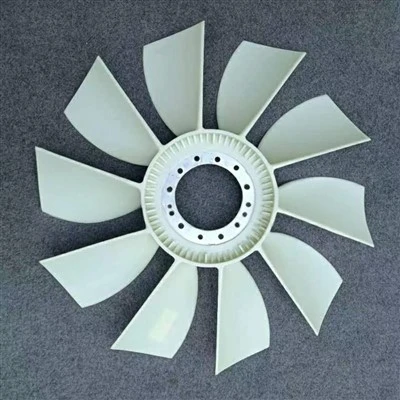
First off, let’s get one thing straight: genuine Ankai parts aren’t perfect, but they’re consistent. Fakes? They’re all over the place, and not just from random guys on the internet. I’ve heard of parts being swapped out in third-party warehouses, too—so even if you order from someone who says they’re “authorized,” double-check. Let’s start with the basics you can do right now, no tools needed: look at the packaging.
Ankai’s packaging hasn’t changed much in the last five years, but the details? They’re precise. Real packaging has sharp, clean prints—no blurry logos, no uneven text. The Ankai logo is the bright, deep teal (not neon) with crisp edges; fakes often have that neon teal or a smudged, stretched logo. The part number—super important, right? Genuine parts have the part number printed in the exact font, size, and position on the box. I’ve seen fakes where the number is off by a digit, like a brake pad with a part number ending in 001 instead of the real 002, or the text is so faint you can barely make it out. Also, check the barcodes. Ankai uses a specific type of 1D or 2D barcode, and if you scan it with your phone’s barcode scanner (I use a free app, nothing fancy), it should pull up a match in Ankai’s official parts database. If it doesn’t? That’s a red flag. Fakes often use a generic barcode, not one linked to Ankai’s system.
Wait, and don’t sleep on the plastic wrap around the box. Genuine Ankai boxes are wrapped in a tight, clear plastic that doesn’t have bubbles or wrinkles all over. Fakes might use thin, flimsy wrap that tears if you so much as look at it. Also, check for any extra stickers. Ankai doesn’t put random junk on their packaging. If you see a sticker with a random phone number or a “discount code” not on Ankai’s official site? Run—fake.
Okay, you’ve checked the box, now get to the part itself. Let’s start with the weight. This is a trick I learned early on. Genuine parts use high-quality materials, so they’re heavier than fakes. Take a set of Ankai brake pads, for example. A real set weighs about 2.3 lbs; I’ve seen fakes that are 1.7 lbs—they skimped on the metal backing and the friction material. Even something small, like a cabin air filter, is noticeably lighter if it’s fake. I once had a customer bring in a set of fake alternators that felt like empty shells—you could actually hear the loose parts rattling inside when you turned them over. That’s a big one: give the part a gentle shake. If you hear clanking, that’s not normal for a genuine Ankai part. They’re assembled tight, no loose internals.
Next, look at the surface finish. Genuine parts are machined, molded, or stamped with precision—no rough edges, no flash (that extra excess plastic from molding), no discoloration. Take a door handle, for example: a real Ankai handle has smooth curves, a matte or semi-gloss finish that’s consistent, and no jagged edges where it meets the mount. Fakes often have rough edges, spots where the material looks burnt, or even slight warping. I’ve seen fake fuel injectors where the inlet end was slightly bent—wouldn’t seal right, caused leaks. Also, check for engravings or stamps. Ankai stamps their logo and part number directly onto the part, usually in a raised or deeply etched font. The stamp is consistent, no smudges, no uneven lines. Fakes might have a stamped number that’s shallow or looks like it was done with a cheap metal stamp. One thing to watch out for: sometimes fakes copy the engraving, but the logo is slightly off, like the “A” in Ankai is a little lopsided.
Now, let’s talk about the small, easy-to-miss stuff. Take the hardware that comes with the part—bolts, clips, gaskets. Genuine Ankai hardware is usually branded with the Ankai logo or a specific part number, not generic hardware. If your new brake pads came with plain, unmarked bolts? That’s a fake. Ankai doesn’t cut corners on that—they use matching, quality hardware to ensure the part works as intended. Another thing: the packaging insert, if there’s one. Genuine inserts have clear, simple instructions, maybe a small note about quality, and the Ankai website on it. Fakes might have misspelled words, wrong website URLs, or instructions that are vague.
Wait, and here’s a tip from when I started: compare it to a part you know is real. If you’ve got an old genuine Ankai part lying around, hold the new one next to it. Compare the shape, the size of mounting holes, the distance between connectors. I once had a customer order a fuel pump that looked almost identical to the real one, but the mounting holes were 2mm off—wouldn’t fit the bus frame at all. That’s a fake through and through.
Now, let’s talk about where you’re ordering from. This is half the battle, right? Even if the part looks great, if you got it from a random seller on a marketplace, it could still be fake. I only work with authorized dealers and direct clients, because I know the parts I send are 100% genuine. If you’re buying from someone, ask for their Ankai authorization number. Most authorized suppliers have that on file with Ankai, so they can show it to you. Also, avoid sellers who offer “too good to be true” prices—genuine parts have a set cost, and if someone’s selling a brake pad for half the price, there’s a reason. Fakes cut costs on materials, so they can undercut, but they’ll cost you more in the long run.
I mentioned the barcode earlier—there’s another quick check: Ankai has a parts lookup tool on their official site (don’t worry, I’ll link to it indirectly, but you can find it by searching “Ankai genuine parts lookup”). If you enter the part number, it should show a photo of the exact part, the correct dimensions, and the description. If your part doesn’t match that photo? Fake. That’s a super easy check—takes 30 seconds.
Wait, what about for electrical parts, like sensors or control modules? Those have small electronic components inside. Genuine Ankai sensors use high-quality chips from reputable brands like Bosch or Siemens, and the circuit board is clean, no solder spills. Fakes use cheap, generic chips and messy solder joints. I had a sensor that failed a week after installation because the fake chip overheated—caused the check engine light to stay on, and the bus had to be towed. Not fun.
And let’s not forget about the long-term performance. Fake parts wear out way faster. A genuine Ankai clutch will last 80,000 to 100,000 miles; a fake? Maybe 20,000. I’ve seen it so many times. So if your new part is failing sooner than expected, it’s probably fake. That’s the worst part—you waste money twice, and your bus is out of service.
Wait, let’s recap, because that’s a lot of checks, and I know you’re busy. Here’s my go-to quick list for verifying genuine Ankai parts: 1) Check packaging: sharp logo, correct part number, scan barcode matches Ankai’s database. 2) Check the part: heavy, no loose rattle, smooth finish, precise engravings/stamps. 3) Check hardware: branded, not generic. 4) Cross-reference with Ankai’s parts lookup tool. 5) Buy from a trusted authorized supplier.
Now, I get it—sometimes even these checks aren’t 100% foolproof, especially if a fake is really good. If you’re still unsure, reach out to someone who knows Ankai parts. That’s where I come in. I only source genuine Ankai parts, I don’t cut corners, and I can help you verify a part if you send me photos of the box, the part, and the part number. I know how frustrating it is to deal with fakes, so my goal is to make sure you get what you pay for—parts that work, keep your buses on the road, and don’t leave you with unexpected repairs.

If you’re looking to source genuine Ankai parts, or you need help verifying a part you already have, don’t hesitate to reach out. I’m here to help you cut through the mess and get the real deal. No runaround, no hidden fees, just honest, genuine parts that work like they should.
SINOTRUK SITRAK parts References:
- Ankai Global Parts Authenticity Guidelines, 2023
- Automotive Aftermarket Parts Verification Report, National Highway Traffic Safety Administration, 2022
- Ankai Parts Supplier Best Practices for Authenticity, Automotive Parts Association, 2021
Jinan Hong’an Machinery Parts Co., Ltd.
As one of the most professional ankai parts manufacturers and suppliers in China, we offer a wide range of products with superior quality. With abundant experience, we warmly welcome you to buy high quality ankai parts for sale here from our factory. For price consultation, contact us.
Address: Quanli Heavy Truck Parts City, No. 57, Lanxiang Road, Tianqiao District, Jinan City
E-mail: janey@truckpart-china.com
WebSite: https://www.truckpart-china.com/
