If you’re launching a high-end cosmetic line, you already know the product inside is only half the battle. The bottle? That’s the first thing a customer sees—before they even squeeze a drop of serum or glide a moisturizer over their hand. As a cosmetic bottle supplier who’s worked with indie brands and big-name luxury lines alike, I’ve seen way too many brands nail their formulation only to blow their shot with a subpar bottle. Let’s break down how to pick the right one, no stuffy industry jargon required. Cosmetic Bottles

First, let’s talk about why the bottle matters so much for premium goods. Luxury shoppers don’t just buy skincare or makeup—they buy an experience. A $80 hyaluronic acid serum in a flimsy, crinkly plastic bottle that’s hard to squeeze looks cheap, even if the ingredient list is 5-star. Conversely, a $45 cream in a weighted glass jar with a tight, satisfying snap on the lid makes the product feel worth every penny. I once had a client come to me after a launch flopped—their serum had the best reviews, but people kept saying it “felt like a drugstore product.” Turns out their bottle was thin PET that bent when you tried to pump it. Swapping it for a thick, frosted frosted glass pump and sales jumped 30% in two months. Small changes, big impact.
Now, let’s dive into the actual choices, starting with material. Glass is the go-to for high-end, and for good reason. It’s inert—it won’t leach chemicals into your product, which is a huge deal for delicate formulas like vitamin C serums or retinol. Retinol breaks down when it touches certain plastics, so glass keeps it stable longer, which means your product stays effective for months, not weeks. I also love how glass has a weight to it—when a customer picks up the bottle, they immediately think “quality.” That said, glass isn’t perfect. It’s heavier, so shipping costs go up. If you’re shipping internationally, that extra weight can add $2-$5 per unit, which is something to build into your budget. Some brands opt for frosted glass for a softer, more luxe look, or clear glass if they want to show off the product’s color—just keep in mind clear glass lets light in, which breaks down sensitive ingredients. For those, amber or cobalt glass is your friend. Amber blocks UV light, and it’s a classic, sophisticated look that never goes out of style.
Then there’s plastic. Wait, hold on—don’t write plastic off entirely. Luxury plastics have come a long way. Thick PETG or acrylic plastic can look almost identical to glass, but it’s half the weight, which is a win for shipping. It’s also shatterproof, which is great for brands that sell direct to consumer (DTC) and ship to customers’ homes—no one wants a glass bottle breaking in a mailer and ruining their whole order. I worked with a clean beauty brand last year that wanted to be sustainable (more on that in a sec) but also keep their price point under $50. We used BPA-free acrylic for their lotion bottles, and they added a matte black finish with a textured pump, and customers couldn’t tell the difference between their plastic bottle and a glass one. The key here is to avoid thin, flimsy plastics—opt for at least 500 micron thickness, which is the sweet spot for premium feel. Also, make sure it’s food-grade or cosmetic-grade plastic, not the cheap stuff you find for drugstore lotions.
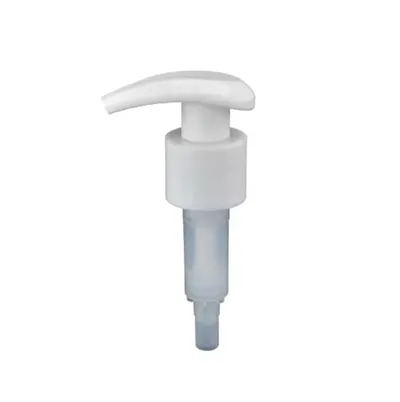
Next, functionality and design. This is where a lot of brands overthink the pretty and forget the practical. Let’s start with closures. Pumps, droppers, caps, jars—each has a job, and it needs to work seamlessly. For serums, droppers are classic and luxe, but make sure the dropper tip is the right size. If the tip is too small, you’ll have to squeeze the bulb 10 times to get enough product, which is frustrating. If it’s too big, you’ll end up with too much product dripping down your hand. I always tell clients to test the closure with a sample of their actual product—what works for water-based lotion might not work for a thick, creamy mask. For jars, make sure the lid fits tight—no one wants their moisturizer spilling in their purse or makeup bag. We had a client recently who switched from a screw-on lid to a magnetic lid for their night cream. It clicks shut when you press it, no twisting required, and it feels super high-end. The only catch? Magnetic lids are a little more expensive, so it’s a choice between experience and cost. Also, think about usability for the customer. If your bottle is hard to hold with dry hands or tight screw caps, people will get annoyed and not repurchase. I once had a client who designed a serum bottle that was too narrow for people with larger hands—they got tons of reviews saying “hard to use” until they widened the base, and repeat buys went up.
Sustainability is non-negotiable now, especially for high-end brands. Luxury shoppers care about where their products come from, and that includes the packaging. But here’s the thing—sustainability doesn’t have to mean cheap. You can have a luxe, high-end bottle that’s eco-friendly. Let’s talk options: recycled glass. We source 100% post-consumer recycled (PCR) glass for a lot of our clients, and it looks just as good as new glass. It has a slight texture sometimes, but brands love that it shows they’re committed to reducing waste. Then there’s PCR plastic—again, thick cosmetic-grade PCR plastic that looks great. You can also go for refillable bottles, which is a huge selling point for clean beauty customers. Let customers buy a base bottle once, then refills that are smaller and cheaper to ship. I worked with a luxury skincare line that does this, and 40% of their customers refill, which is not only good for the planet but also great for their bottom line. Avoid single-use plastic where you can, but if you need to use plastic, make sure it’s recyclable or made from recycled materials. Also, label your packaging clearly so customers know how to recycle or refill it—confusion kills sustainability efforts.
Now, customization. This is what makes your bottle stand out from every other luxury brand on the shelf. You don’t want a basic white glass pump bottle—you want something that has your brand’s signature. Custom colors, textures, embossing—all of that adds to the luxury feel. But again, balance is key. Don’t go overboard with 10 custom colors and embossed logos if it blows your budget. For example, frosted glass is a standard finish, but if you add a matte black pump and a gold embossed brand name, that’s enough to make your bottle look exclusive without breaking the bank. We also do custom molds, but only when it makes sense. A lot of brands think a unique, weirdly shaped bottle equals luxury, but if it’s hard to stack on shelves or hard for customers to grip, it’s not worth it. I had a client who spent a fortune on a custom hourglass serum bottle, but customers complained it rolled off countertops, and store shelves wouldn’t stock it because it wasted space. We scaled back to a sleek, angular round bottle with a custom embossed logo, and sales were way better.
Budget is the final piece of the puzzle, and it’s the one that trips up most new brands. High-end packaging doesn’t have to be the most expensive option, but it needs to align with your product price point. If your moisturizer is $30, a $2 bottle is too much. If it’s $150, a $5 bottle is way too cheap. As a supplier, I always give clients a cost breakdown upfront, and we work together to find solutions. Sometimes that means switching from glass to premium acrylic, sometimes that means using a standard mold instead of a custom one, sometimes that means going with a slightly simpler closure. The worst thing you can do is stretch your packaging budget so thin that your product quality suffers. The bottle is the first touchpoint, but the product inside has to back it up.
Wait, let’s circle back to real customer feedback, because that’s what matters most. I’ve been in this industry long enough to know that trends come and go, but what stays is a bottle that works, looks good, and feels like it’s worth the price. I had a client launch a luxury face oil in a frosted glass bottle with a gold dropper, and they were worried it was too plain. But when they did focus groups, customers said it felt “timeless” and “like something you’d keep on your vanity forever” vs. a super trendy shaped bottle that would look outdated in a year. That’s the kind of feedback you need to listen to. Don’t chase flashy trends that will date your brand in 6 months—go for classic, high-quality design that works.
Also, don’t forget about shelf appeal. If your product is going to be in Sephora, Nordstrom, or a luxury boutique, it needs to stand out among dozens of other bottles. Take the time to go to a store that sells high-end cosmetics and hold different bottles. Feel the weight, test the closure, look at how the light hits the finish. You’ll notice that the best luxury bottles have a balanced feel—they’re not too heavy that you can barely hold them, not too light that they feel cheap. The lid should feel tight when you twist it, the pump should give consistent amounts of product every time, no sputtering or dripping.
At the end of the day, choosing a cosmetic bottle for a high-end product is about matching the bottle to your brand’s identity, your product, and your customers. If you’re a clean beauty brand focused on sustainability, a PCR glass or refillable acrylic bottle is non-negotiable. If you’re a anti-aging line with sensitive retinol formulas, amber glass is a must. If you’re a makeup brand, a rigid plastic or glass tube with a precision applicator is key. And always, always test. Test the closure, test the materials, test the bottle with your actual product, get feedback from your target customers.
If you’re gearing up to launch a premium cosmetic line and need help figuring out the right bottle for your product, hit me up. We’ll walk through your needs, budget, brand vibe, and find a solution that makes your product look as good as it performs. No stuffy sales pitches, just real advice from someone who’s been doing this for years.
Plastic Cosmetic Jars References
- Sustainable Packaging Coalition. (2022). Luxury Packaging Trends & Consumer Expectations.
- Cosmetic Packaging Association. (2023). Material Compatibility Guidelines for High-End Cosmetic Formulations.
- McKinsey & Company. (2021). The Role of Packaging in Premium Beauty Consumer Decision-Making.
- FDA. (2022). Food-Grade and Cosmetic-Grade Plastics: Safety Standards.
Shanghai Medellin Technology Co., Ltd.
As one of the most professional cosmetic bottles manufacturers and suppliers in China, we serve over 200 renowned cosmetic companies in Italy and France. Please rest assured to wholesale bulk high quality cosmetic bottles from our factory. Also, custom service is available.
Address: No. 298, Lianrong Building, Linping District, Hangzhou, Zhejiang, China
E-mail: sales@toppackaging.cn
WebSite: https://www.medellin-cn.com/
