Hey everyone, I’m Jake, and I’ve spent the last 12 years working as a power fittings supplier. For a long time, I figured my job was just about delivering the parts that keep the grid running—straightforward, right? Then about three years ago, I started getting questions from our clients, a mix of utility engineers and renewable energy project managers, that made me sit up: “What’s the environmental footprint of these fittings you’re selling?” “How do I choose parts that don’t come at the planet’s expense?” That question stuck with me, and lately, as climate concerns take center stage in every industry, I’ve realized power fittings are way more important to environmental impact than most people—even folks in my line of work—give them credit for. Power Fittings

Let’s start with what power fittings are, for anyone who doesn’t work daily with high-voltage lines and substations. These are the small, unglamorous parts that hold power systems together: the connectors that link power lines to towers, the insulators that keep electricity from leaking where it shouldn’t, the clamps that secure wires, the grounding rods that prevent electrical hazards. A typical substation uses thousands of these, and a single mile of high-voltage transmission line might need hundreds. They don’t make the news like solar panels or wind turbines, but they’re the backbone that keeps energy moving from where it’s generated to where it’s used. And if they’re not designed and sourced with the environment in mind, they can leave a surprisingly big mark.
First, there’s the raw material extraction and processing phase. Most power fittings are made from metal—aluminum, steel, copper, sometimes zinc or brass for specific parts. A lot of these metals come from mining, which is one of the most disruptive industrial activities on the planet. Copper mining, for example, is infamous for clearing large swathes of forest, contaminating nearby water sources with heavy metals like lead and arsenic, and generating massive amounts of toxic tailings. I remember a few years back, we switched one of our aluminum fittings to a new supplier that promised “sustainable aluminum”—turns out, they were using recycled aluminum from post-consumer scrap, not primary ore. The carbon footprint for recycled aluminum is around 95% lower than primary aluminum, that’s a stat that blew my team away. But a lot of smaller suppliers still use primary metals because they’re cheaper, not because they care about the planet. We’ve had to make tough calls: turning down a big order once because the client’s preferred parts were made with primary steel from a mine that violated environmental regulations. That cost us a chunk of revenue, but it was the right thing to do.
Then there’s the manufacturing process. Power fittings require precision machining, casting, and sometimes plating. Plating is a big one—many fittings get coated in zinc or chromium to resist corrosion, which is essential for their lifespan (if a connector corrodes, a power line goes down, that’s a whole other environmental cost from blackouts). But traditional plating uses hexavalent chromium, a carcinogen that’s a nightmare for workers and ecosystems if not handled properly. For years, most manufacturers used it because it was cheap and effective. Now, though, we’ve shifted to trivalent chromium plating, which is less toxic, and in some cases, we use powder coating instead of liquid plating entirely. Powder coating generates almost no volatile organic compounds (VOCs) and the leftover powder can be reused, cutting waste by 80% compared to traditional liquid coating. It took us a while to adjust our production line, but our energy use went down too—powder coating cures at lower temperatures than liquid, so we use less electricity. That’s a win-win for everyone.
Once the fittings are made, they get transported to installation sites, and that’s another part of the environmental impact. A single utility-scale wind farm might need 10,000 power fittings, a remote solar project in the desert might need just as many. If those parts are shipped thousands of miles by truck or cargo ship, that adds up to a lot of carbon emissions. A few years ago, we realized we were sourcing our steel fittings from a supplier 1,500 miles away, so we found a local manufacturer within 200 miles that used recycled steel and had a smaller carbon footprint. Even though their prices were slightly higher, the client appreciated the reduced emissions, and we cut our shipping costs too—less fuel, less time on the road. It’s not just about being “green,” it’s about making practical business sense, and our clients are starting to notice that.
One of the biggest environmental impacts of power fittings is actually something that happens over their lifespan: how long they last, and how often they need to be replaced. A connector that corrodes after 5 years means you have to send a crew out to replace it, which uses fuel, and you have to manufacture a new one, which uses more resources. But a well-made fitting can last 40 years or more, matching the lifespan of a transmission line. That’s a huge environmental win. I’ve seen cheap, poorly made fittings fail in the field, forcing utilities to do emergency replacements that cost more and are worse for the planet. Last year, a utility client switched to our corrosion-resistant aluminum connectors instead of their old steel ones that they replaced every 10 years. They calculated that over 40 years, they’d use 60% fewer fittings, generate way less waste, and reduce their maintenance trips by 75%. That’s the kind of impact we don’t talk about enough—designing parts that last, so you don’t have to make new ones as often.
But it’s not all positive. When power fittings reach the end of their life, what happens to them? A lot of them end up in landfills. Many are coated with toxic metals, so they don’t break down easily, and sorting through small, varied parts at the end of a project is expensive and time-consuming. Right now, only about 30% of power line components are recycled, and fittings are a big part of the non-recycled 70%. That’s a gap we’re working to fix. Last year, we launched a take-back program for our fittings: when a project is done, we arrange to collect old, unused fittings, sort them, and send the metals back to our suppliers to be remade into new parts. It’s a small step, but it cuts down on landfill waste and reduces the need for new raw materials. We also started designing our fittings to be easier to disassemble—no glued parts, no mixed metals that are hard to separate when recycling. It’s a minor design change, but it makes a huge difference at the end of life.
Now, let’s talk about the flip side: how power fittings actually help the environment. It’s easy to focus on the negative, but these parts are critical to expanding renewable energy. Wind turbines need grounding fittings to protect them from lightning, solar farms need connectors that can handle variable weather, and the grid needs high-voltage fittings that can move solar and wind power from rural areas to cities. If power fittings fail, renewable energy projects don’t work. I was involved in a utility-scale solar project in Texas a couple years ago—their original fittings were from a supplier that used cheap plastic insulators. Within a year, the insulators cracked from the extreme heat, and the whole solar array had to be shut down for repairs. We replaced them with our heat-resistant polymer insulators, made from recycled plastic, and they’ve held up perfectly for three years now. Without those fittings, that 100-megawatt solar farm would’ve been a waste. So power fittings aren’t just a burden—they’re a key part of building a cleaner energy future.
Of course, there are still challenges. For all our progress, there’s a lack of standardized regulations for the environmental impact of power fittings. A lot of utilities still prioritize cost over sustainability, even though the long-term environmental costs are way higher. Smaller utilities especially might not have the budget to invest in more sustainable fittings, even if they want to. That’s why we’ve started offering tiered options: basic fittings for projects on tight budgets, and sustainable, long-lasting options for projects that can afford it, along with transparent data on the environmental footprint of each. We also work with local governments to apply for grants for renewable energy projects that use sustainable power fittings—last year, we helped a small wind farm in Iowa get a state grant that covered half the cost of our recycled aluminum connectors. It’s not a magic solution, but it’s a start.
I’ll be honest, this work has changed how I look at my job. 12 years ago, I saw myself as just a parts supplier. Now, I see myself as someone who helps shape the environmental impact of the grid. Every fitting we make, every client we work with, every small change we make to our manufacturing process adds up. I’ve had engineers tell me that switching to our longer-lasting fittings cut their project’s carbon footprint by 15% over the lifespan of the line. That’s the kind of impact that doesn’t make headlines, but it’s real, and it matters.
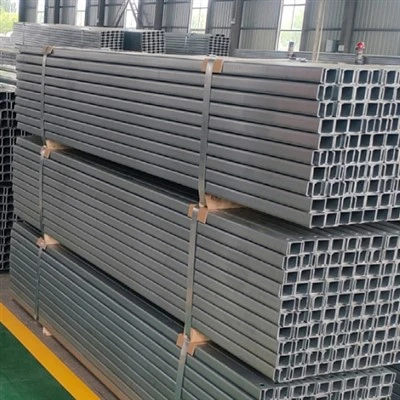
If you’re a utility engineer, renewable energy project manager, or anyone working on a power system project, and you want to talk about how to choose power fittings that are better for the environment—whether that’s sourcing sustainable materials, designing for longer lifespan, or implementing take-back programs—feel free to reach out. We’re always happy to chat, no obligation. We’re still learning, too, and we work with our clients to find solutions that balance performance, cost, and sustainability.
PV Accessories References
- International Energy Agency. (2022). Grid Modernization for a Clean Energy Future: The Role of Balance of System Components. IEA Publications.
- World Bank. (2021). Environmental Impacts of Transmission and Distribution Infrastructure. World Bank Group.
- American Iron and Steel Institute. (2023). Life Cycle Assessment of Recycled vs. Primary Steel for Electrical Components. AISI Technical Report.
- European Copper Institute. (2022). Sustainable Copper Applications in Power Infrastructure. EC Industry Report.
- U.S. Environmental Protection Agency. (2021). Reducing Toxic Metals in Industrial Finishing Processes. EPA Office of Pollution Prevention and Toxics.
Hebei Pubang Fastener Manufacturing Co., Ltd.
We are one of the most professional power fittings manufacturers and suppliers in China, featured by quality products and good price. Please rest assured to buy advanced power fittings for sale here and get quotation from our factory. We also accept customized orders.
Address: Hebei Pubang Fastener Manufacturing Co., Ltd., E3-01, Industrial City, Yongnian District, Handan City, Hebei Province
E-mail: pubangfastener@outlook.com
WebSite: https://www.hbpbfastener.com/
