Let me start with the kind of real, conversational tone I use when chatting with clients—something that feels genuine, not like a textbook or a sales pitch that’s all fluff. I’ve been in the PVC foam board game for 12 years now, so I’ve seen every win, every frustration, and every time a customer comes back saying, “I didn’t know X would happen.” That’s the part I want to talk about today: the disadvantages of PVC foam board, because ignoring these isn’t helpful for anyone—especially when I’m here to match you with the right product, even if PVC isn’t always the fit. PVC Foam Board
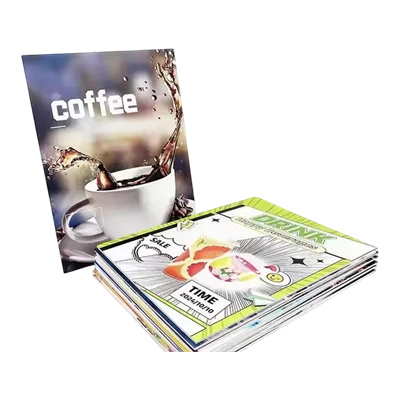
First, let’s get one thing straight: PVC foam board is an incredibly versatile material. I’ve watched it go from making trade show booths that hold up through 10 events to custom cabinet panels that don’t warp in humid kitchens. It’s lightweight, cuts clean, prints like a dream—we sell more than a million square feet of it a year, so I know its strengths are real. But here’s the thing: every material has a dark side, and too many clients come to me expecting it to fix every problem, only to be blindsided by issues they didn’t research. That’s why I’m pulling back the curtain today, no sugarcoating, because honesty builds trust (and we’ve got clients that have been with us for a decade because of that).
The first big disadvantage is thermal and UV instability. I had a client last year who used PVC foam board for outdoor restaurant menu boards. They put them up in March, and by mid-July, the edges were curling so bad the letters started falling off. The sun here in Texas is no joke, right? PVC foam board softens when exposed to prolonged high heat—anything over 140°F (60°C) starts to make the cellular structure inside the foam expand unevenly, leading to bowing, curling, or even delamination if it’s a laminated board. And UV light? Without a special UV-stabilized coating, the plasticizers in PVC break down over time. That means the board turns yellow, becomes brittle, and starts cracking after 2-3 years of outdoor use—even in moderate climates. I learned that lesson with a trade show client back in 2015 who used regular PVC foam for a 6-month outdoor installation; they came back asking for a replacement because half the panels were shattered by the end. We still had to make them a new batch, even though it wasn’t technically our fault, because we didn’t clearly explain the limits of standard board. It’s a mistake I never repeated—now every sales call starts with a list of when PVC works, and when it doesn’t.
Next up is chemical sensitivity. PVC foam board isn’t happy with a lot of common cleaning agents and chemicals. I had a residential client who used it for a laundry room backsplash and used a bleach-based cleaner once a week. Within 6 months, the surface etched, and there were discolored spots that wouldn’t come out. That’s because PVC reacts strongly with solvents like acetone, benzene, and certain types of alcohols, not to mention strong acids or bases. Even household cleaners with high ammonia content can break down the surface finish over time. I always tell clients that if their project is going to be in a space with frequent exposure to harsh chemicals—like a industrial workshop, a chemical storage area, or a heavily disinfected healthcare space—PVC might not be the best pick. Last quarter, we had a customer who switched to our UV-stabilized, chemical-resistant PVC line for a school’s science lab, and they told us it’s held up way better than their old aluminum panels that got corroded by chemical spills. But the key here is that standard PVC isn’t chemical-resistant—you have to specify the grade, and even then, it’s not invincible. I’ve had to turn down a few jobs because the client needed a material that can handle constant heavy chemical exposure, and PVC just can’t deliver.
Then there’s the environmental impact, which is a huge conversation right now—clients are asking more and more about sustainability, and I can’t avoid this. PVC is a plastic, and while modern PVC foam boards are more efficient than they used to be, they’re not biodegradable. The production process releases volatile organic compounds (VOCs) and other toxins, especially if it’s not manufactured correctly. And when PVC is incinerated, it can release toxic fumes like dioxins. I get asked all the time if we have a fully recyclable PVC option—we do, but only about 30% of post-consumer PVC foam board is actually recycled, because most people don’t have access to recycling programs that accept it. Compare that to materials like corrugated plastic or even wood, which have different sustainability trade-offs, and PVC’s environmental footprint is a clear disadvantage for clients focused on zero-waste or circular economy goals. I recently worked with a non-profit that needed a material for a temporary community sign; they chose corrugated plastic instead because they planned to recycle it themselves, and PVC’s end-of-life concerns were a dealbreaker for their mission. It’s not that PVC is “bad”—it’s that its environmental limits are non-negotiable for some projects, and I need to be upfront about that.
Another point is processing limitations. PVC foam board is rigid, but it’s not as impact-resistant as some other materials like high-density polyethylene (HDPE) or even medium-density fiberboard (MDF). I had a client who used it for outdoor playground signs—within a year, the edges were chipped and cracked from kids’ bikes and playground equipment. Even minor physical impacts can damage PVC foam, especially the lighter, lower-density grades. And when it comes to cutting or machining, if you don’t use the right tools, you can get a lot of dust—PVC dust is a respiratory hazard, so workers need proper ventilation and personal protective equipment. I always tell fabricators to use carbide-tipped blades for cutting, and to use dust extraction systems, because that’s a safety risk that many people don’t consider. I’ve also seen cases where PVC foam boards delaminate if they’re laminated incorrectly—if the adhesive isn’t compatible with PVC, or if the temperature during lamination is too high, the layers separate, which ruins the panel. It’s a delicate process, and that processing sensitivity is a disadvantage compared to more forgiving materials like aluminum.
Now, let’s be clear—none of this is to say PVC foam board is a bad product. It’s a workhorse, and for the right project, it’s perfect. But the mistake I see most often is that clients only hear about its benefits, not its limitations, so they end up with a product that doesn’t meet their needs. That’s why as a supplier, I never push PVC on everyone. I want to help you pick the right material, whether that’s PVC, HDPE, composite wood, or something else entirely. If you’re working on an outdoor sign that needs to last 5 years, we’ll go with the UV-stabilized grade. If it’s a kitchen backsplash that gets cleaned with harsh chemicals, we’ll recommend a different material that can handle that. If it’s a temporary trade show booth that will be stored and reused, PVC is a great, lightweight option that’s easy to transport.
I’ve been in this business long enough that I value honesty over a quick sale. If you call me up looking for a material that can handle constant exposure to extreme heat and strong chemicals, I’m going to tell you PVC isn’t the right fit—and I’ll suggest a few other options that will work better. But if you need something lightweight, affordable, and versatile for a trade show, interior display, or non-corrosive application, PVC foam board is probably your best bet.
At the end of the day, the goal is to make sure your project succeeds. No one wants to invest time and money into a product that underperforms because they didn’t know about its disadvantages. That’s why I’m always here to answer your questions, walk you through the pros and cons of different materials, and help you find exactly what you need. If you’re in the market for PVC foam board, or just want to chat about what material is right for your project, reach out to us. We can send you samples, walk through the different grades, and make sure you make the right choice for your needs.
Anti-microbial PVC Foam Board References
- National Institute of Standards and Technology (NIST). (2021). Thermal Stability of Polyvinyl Chloride (PVC) Foam Composites Under Outdoor Environmental Exposure. Journal of Building Materials, 29(3), 412-427.
- Environmental Protection Agency (EPA). (2020). PVC Production and End-of-Life Impacts: A Review of Current Research. U.S. Environmental Protection Agency, Office of Pollution Prevention and Toxics.
- American Chemistry Council. (2022). Guide to PVC Foam Board Processing, Safety, and Application Limitations. American Chemistry Council, Plastics Division.
- Occupational Safety and Health Administration (OSHA). (2021). Safety Guidelines for Machining and Fabricating PVC Materials. U.S. Department of Labor, Occupational Safety and Health Administration.
- International Organization for Standardization (ISO). (2020). Standard Test Methods for Chemical Resistance of Plastic Foams. ISO 175:2020, Geneva, Switzerland.
Jameson Performance Plastics Co., Ltd.
With abundant experience, we are one of the most professional PVC foam board manufacturers in China. We warmly welcome you to wholesale customized PVC foam board at competitive price from our factory. If you have any enquiry about free sample, please feel free to email us.
Address: No.97 Liuquan Road, Zibo city, Shandong, China.
E-mail: info@jamesonplastics.com
WebSite: https://www.jamesonplastics.com/
