Hey there! I’m from a power transmission cable supplier, and today I wanna share with you how to install power transmission cables in tunnels. It’s a pretty crucial process that involves a bunch of steps and considerations. So, let’s dive right in! Power Transmission Cable

Pre – Installation Preparations
First things first, before we even think about getting the cables into the tunnel, we gotta do some serious groundwork. Safety is always our top priority. We need to set up proper safety barriers around the tunnel entrance and inside the tunnel at strategic points. This helps to keep everyone out of harm’s way, especially when there’s heavy equipment moving around.
We also have to conduct a thorough inspection of the tunnel. Look for any signs of structural damage, water seepage, or debris. If there’s any water in the tunnel, we need to figure out the source and deal with it. A wet environment can be a big no – no for cable installation, as it could lead to corrosion and short – circuits later on.
Next up, we need to measure the tunnel dimensions accurately. This is super important because we need to know if the cable trays or racks we plan to use will fit properly. We also need to check the distance between the points where the cables will be connected to the power grid and the locations within the tunnel where the cables will be laid.
Once we’ve sorted out the safety and the tunnel inspection, it’s time to gather all the necessary equipment and materials. We’ll need cable drums, cable pulling machines, cable lubricants, cable connectors, and of course, the power transmission cables themselves. It’s a good idea to double – check that all the equipment is in good working condition. I’ve seen so many installations go haywire because some crucial piece of equipment just decided to act up halfway through the job.
Cable Route Planning
The route of the cables inside the tunnel is a big deal. We need to plan it carefully to minimize bends and twists in the cables. Sharp bends can cause stress on the cables, which might lead to insulation damage and reduce the cable’s lifespan.
We usually mark the cable route on the tunnel walls or floor. This gives the installation team a clear idea of where the cables should go. We also have to consider any existing structures in the tunnel, like ventilation ducts or water pipes. We don’t want to end up installing the cables in a way that interferes with these important systems.
It’s also a good idea to plan for future expansion. You never know when a power demand increase might happen, and having some extra space in the cable route can save a lot of headaches down the line. So we design the cable route with a bit of flexibility in mind.
Cable Installation Process
Now, let’s get into the actual installation. We start by placing the cable drums at the entrance of the tunnel. The drums are usually placed on a drum stand that allows them to rotate freely as the cable is pulled.
We use a cable pulling machine to guide the cable through the tunnel. This machine needs to be set up correctly to ensure a smooth pulling process. Before we start pulling, we apply a cable lubricant to reduce friction between the cable and the tunnel walls or the cable trays. Lubrication is key here; without it, the cable could get damaged during the pulling.
As the cable is being pulled, we have a team inside the tunnel to monitor the process. They make sure the cable is following the planned route and that it’s not getting snagged on anything. It’s a bit like a relay race, with the team at the entrance feeding the cable onto the pulling machine and the team inside the tunnel guiding it.
Once the cable reaches its destination inside the tunnel, we start the splicing process. Cable splicing is the process of joining two ends of a cable together. It’s a delicate operation that requires a high level of skill. We use special cable connectors and follow strict procedures to ensure a secure and reliable connection. Any mistakes in splicing can lead to power outages or even electrical fires, so we can’t afford to be sloppy.
Post – Installation Checks
After the cables are installed and spliced, we don’t just pack up and leave. We have a whole bunch of checks to do. First, we perform a visual inspection of the cables. We look for any signs of damage, like cuts or scratches on the insulation. Even a small nick can be a problem in the long run, so we need to be really thorough.
Then, we do some electrical tests. We check the cable’s insulation resistance using a megger. A low insulation resistance could indicate a problem with the cable or the splicing. We also test the continuity of the cable to make sure the electrical current can flow smoothly through it.
We also need to check the cable supports and trays. Make sure they’re holding the cables securely and that there’s no excessive movement or vibration. Vibration can cause wear and tear on the cables over time, so we want to nip that in the bud.
Maintenance and Monitoring
Installing the cables is just the beginning. We need to have a proper maintenance and monitoring plan in place. Regular maintenance includes checking the cable insulation, tightening the connectors, and looking for any signs of corrosion or damage.
Monitoring is also important. We can use various monitoring systems to keep track of the cable’s temperature, electrical performance, and other key parameters. This helps us detect any potential problems early on and take corrective action before a major failure occurs.
Why Choose Our Cables
Now, I know you might be wondering why you should choose our power transmission cables for your tunnel installation. Well, let me tell you, our cables are top – notch. We use the highest quality materials in our manufacturing process, which means they have excellent insulation properties and can withstand harsh environments.
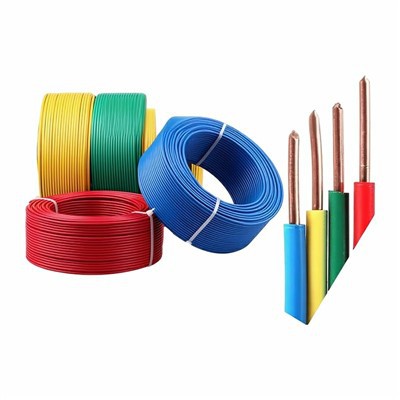
Our cables are also designed to be flexible, making them easier to install in tunnels. And because we’ve been in the business for a long time, we have a lot of experience in cable installation. We can provide you with technical support and advice throughout the installation process to ensure everything goes smoothly.
Aluminum Clad Steel Wire If you’re involved in a project that requires power transmission cable installation in tunnels, don’t hesitate to reach out to us. We can offer you a wide range of cable products to suit your specific needs. Whether it’s a small – scale project or a large – scale infrastructure development, we’ve got you covered. You can contact us to discuss your requirements, get a quote, and start the procurement process. We’re here to help you make your power transmission project a success!
References
- Electrical Power Cable Engineering, Third Edition, edited by Keith E. Brown
- IEEE Standards for Power Cable Installation and Testing
Hebei Hualun Cable Co., Ltd.
As one of the leading power transmission cable manufacturers and suppliers in China, we offer a wide range of products with superior quality. We warmly welcome you to buy cheap power transmission cable for sale here from our factory. For price consultation, contact us.
Address: XINGBIEYING INDUSTRIAL ZONE, HEBEI PROVINCE CHINA
E-mail: steven@hualunchcable.com
WebSite: https://www.hualuncables.com/
