Hey there! I’m a supplier of centre – pivoted butterfly valves. I’ve been in this business for quite a while, and I know that calibrating these valves can be a bit of a head – scratcher for a lot of folks. So, I thought I’d share some tips on how to calibrate a centre – pivoted butterfly valve. Centre-pivoted Butterfly Valve
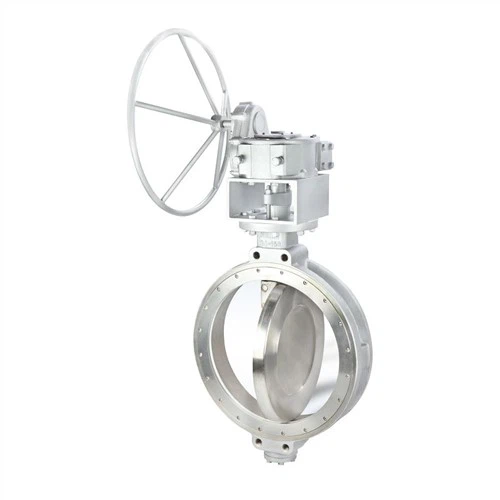
First off, let’s understand what a centre – pivoted butterfly valve is. It’s a type of valve used to control the flow of fluid in a pipeline. The valve has a disc that rotates around a central axis, kinda like a butterfly flapping its wings. When the disc is parallel to the flow, the valve is open, and when it’s perpendicular, the valve is closed.
Now, why do we need to calibrate these valves? Well, accurate calibration ensures that the valve opens and closes at the right time and to the right degree. This is crucial for maintaining the correct flow rate and pressure in the pipeline. If the valve isn’t calibrated properly, it can lead to leaks, flow disruptions, or even damage to the pipeline and the equipment it’s connected to.
Step 1: Gather Your Tools
Before you start calibrating, you’ll need to gather a few tools. You’ll need a wrench, a torque wrench, a micrometer, and a pressure gauge. Having these tools on hand will make the calibration process a whole lot easier.
Step 2: Check the Valve Installation
The first thing you should do is make sure the valve is installed correctly. Check the flanges to ensure they’re properly aligned and tightened. If the flanges aren’t aligned, it can cause the valve to operate unevenly. Use your wrench to tighten any loose bolts, but be careful not to over – tighten them as this can damage the flanges.
Step 3: Measure the Disc Position
The position of the disc is super important for proper valve operation. You need to make sure the disc is centered within the valve body. Use a micrometer to measure the distance between the disc and the valve body at multiple points around the circumference. The measurements should be consistent. If there are significant differences, it could mean the disc is misaligned. You might need to adjust the mounting bolts or the hinge mechanism to correct the alignment.
Step 4: Check the Valve Stem
The valve stem connects the disc to the actuator. It’s important to check that the stem is straight and not bent. A bent stem can cause the disc to rotate unevenly, which will affect the valve’s performance. You can visually inspect the stem for any signs of bending. If you suspect a bend, you can use a straightedge to confirm. If the stem is bent, it’ll need to be replaced.
Step 5: Set the Actuator
The actuator is what controls the movement of the disc. You need to set the actuator so that it opens and closes the valve at the right positions. Most actuators have adjustable stops that you can set to limit the rotation of the disc. Use your torque wrench to adjust the stops according to the manufacturer’s specifications. Make sure to tighten the stops securely so they don’t move during operation.
Step 6: Test the Valve
Once you’ve made all the adjustments, it’s time to test the valve. Close the valve completely and use a pressure gauge to check for any leaks. If there are leaks, you might need to go back and re – check your adjustments. Then, open the valve and check the flow rate. The flow rate should match the specifications for the valve. If it doesn’t, you may need to make further adjustments to the actuator or the disc position.
Step 7: Regular Maintenance and Re – calibration
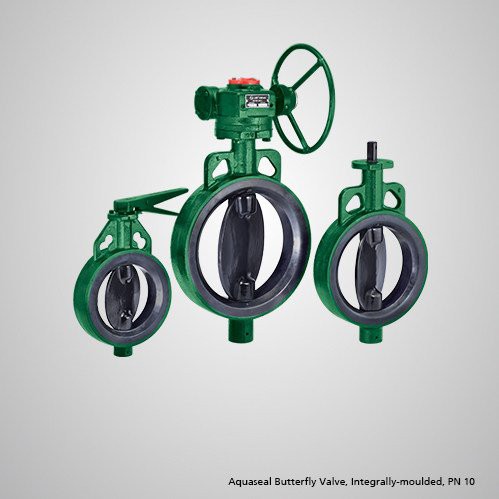
Calibrating the valve isn’t a one – time thing. You should perform regular maintenance and re – calibrate the valve periodically. Over time, wear and tear can cause the valve to go out of calibration. Factors like vibration, temperature changes, and the type of fluid flowing through the valve can all affect its performance. By performing regular maintenance and re – calibrating as needed, you can ensure that the valve continues to operate efficiently.
Tips and Tricks
- Keep Records: Whenever you calibrate a valve, keep a record of the adjustments you made and the test results. This will help you track the valve’s performance over time and make it easier to troubleshoot any issues that may arise.
- Use Lubrication: Apply a small amount of lubricant to the valve stem and hinge mechanism. This will reduce friction and make the valve operate more smoothly. But be careful not to use too much lubricant as it can attract dirt and debris.
- Follow the Manufacturer’s Instructions: Every valve is a little different, so it’s important to follow the manufacturer’s instructions for calibration. They’ll provide you with the specific settings and procedures for your valve.
Troubleshooting Common Issues
- Leaking Valve: If the valve is leaking, it could be due to a damaged seal or improper alignment. Check the seals for any signs of wear or damage and replace them if necessary. Also, double – check the alignment of the disc and the flanges.
- Sticking Valve: A sticking valve could be caused by a lack of lubrication, a bent stem, or debris in the valve body. Try lubricating the stem and hinge mechanism. If that doesn’t work, inspect the stem for bends and clean the valve body to remove any debris.
- Incorrect Flow Rate: If the flow rate is too high or too low, it could be because the actuator is set incorrectly or the disc isn’t opening or closing fully. Check the actuator settings and the disc position and make the necessary adjustments.
Bi-offset Butterfly Well, that’s about it for calibrating a centre – pivoted butterfly valve. I know it can seem a bit complicated at first, but with a little practice and the right tools, you’ll be a pro in no time. If you’re in the market for a high – quality centre – pivoted butterfly valve, or if you have any questions about calibration or valve maintenance, don’t hesitate to reach out. I’m here to help you get the most out of your valves. Let’s have a chat and see how we can work together to meet your needs.
References
- "Industrial Valve Handbook"
- Manufacturer’s manuals for centre – pivoted butterfly valves
Zhejiang Sunawei Valve Co., Ltd.
As one of the most professional centre-pivoted butterfly valve manufacturers and suppliers in China, we offer a wide range of valves with superior quality. Please feel free to wholesale high quality centre-pivoted butterfly valve at competitive price from our factory. We also accept customized orders.
Address: Anfeng Industrial, Oubei Town, Wenzhou City, Zhejiang, China
E-mail: snv@sunawevalve.com
WebSite: https://www.sunay-valves.com/
