Automated Storage and Retrieval Systems (AS/RS) have revolutionized the warehousing and logistics industry, offering high – density storage, improved efficiency, and reduced labor costs. However, like any complex system, they are prone to several common faults. As a leading supplier of AS/RS, I’d like to share some insights on these issues and their solutions. Automated Storage and Retrieval System
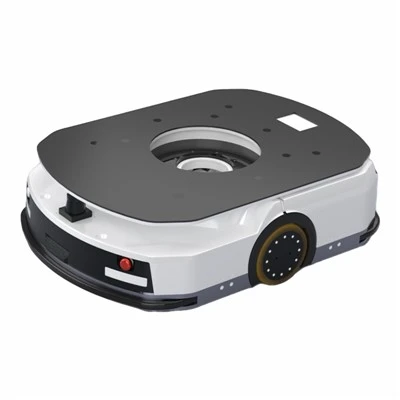
Common Faults in an Automated Storage and Retrieval System
1. Mechanical Failures
Mechanical components in an AS/RS, such as conveyors, hoists, and shuttles, are subject to wear and tear. Over time, the continuous movement can cause parts like belts, chains, and gears to deteriorate. For example, a loose or worn – out chain in a conveyor system can disrupt the smooth flow of products, leading to jams and delays.
Another common mechanical failure is the misalignment of guides or rails. AS/RS shuttles rely on precisely aligned rails to move accurately between storage locations. Even a slight misalignment can cause the shuttle to derail, which not only stops the operation but can also damage the shuttle and the storage racks.
2. Electrical and Control System Issues
The electrical and control systems are the brains of an AS/RS. Faulty wiring is a frequent problem. Loose connections or damaged wires can lead to intermittent power supply, causing components to malfunction or stop working altogether. For instance, a broken wire in a sensor circuit can result in inaccurate position detection, leading to incorrect storage or retrieval operations.
Software glitches in the control system are also a significant concern. These can range from minor programming errors to more complex issues related to system integration. For example, if the control software is not properly updated to handle new inventory types or storage configurations, it may issue incorrect commands to the AS/RS components.
3. Sensor Malfunctions
Sensors play a crucial role in an AS/RS by providing real – time data on the position, presence, and status of products and equipment. A malfunctioning sensor can lead to a variety of problems. For example, a weight sensor that fails to accurately measure the load on a shuttle can cause overloading, which may damage the equipment and pose a safety risk.
Proximity sensors, which are used to detect the position of shuttles and other moving parts, can also malfunction. If a proximity sensor gives false readings, it can cause the shuttle to move to the wrong location or stop unexpectedly, disrupting the entire operation.
4. Communication Failures
AS/RS often rely on communication networks to transmit data between various components and the central control system. Wi – Fi or Ethernet network issues can cause communication failures. For example, interference in a Wi – Fi signal can disrupt the communication between a mobile shuttle and the control center. This can result in the shuttle losing its instructions and becoming unresponsive.
In addition, problems with the communication protocol can also occur. If the protocol is not properly configured or if there are compatibility issues between different devices, data transfer can be interrupted, leading to incorrect operation of the AS/RS.
How to Fix These Faults
1. Addressing Mechanical Failures
Regular maintenance is the key to preventing and fixing mechanical failures. This includes routine inspections of all mechanical components, such as checking the tension of belts and chains, lubricating moving parts, and tightening loose bolts. For worn – out parts, timely replacement is necessary. For example, if a chain shows signs of excessive wear, it should be replaced immediately to avoid further damage.
To correct misaligned guides or rails, precision measurement tools can be used to determine the extent of the misalignment. Then, adjustments can be made using appropriate tools and techniques. In some cases, it may be necessary to realign the entire structure to ensure long – term stability.
2. Resolving Electrical and Control System Issues
For electrical problems, a thorough inspection of the wiring is essential. This involves checking for loose connections, damaged insulation, and signs of overheating. Any faulty wires should be repaired or replaced. It is also important to ensure that all electrical components are properly grounded to prevent electrical shocks and equipment damage.
To fix software glitches, the control system software should be regularly updated. This can often resolve known bugs and compatibility issues. In addition, a backup of the software should be maintained, and in case of a major malfunction, the system can be restored to a previous working state. If the problem persists, it may be necessary to consult with software developers to identify and fix the root cause.
3. Dealing with Sensor Malfunctions
When a sensor malfunctions, the first step is to perform a diagnostic test. This can involve using a multimeter to check the electrical output of the sensor or using a calibration tool to verify its accuracy. If the sensor is found to be faulty, it should be replaced with a new one.
Regular calibration of sensors is also important to ensure their long – term accuracy. This can be done according to the manufacturer’s recommendations, usually at specific intervals or after a certain number of operating hours.
4. Overcoming Communication Failures
To address Wi – Fi or Ethernet network issues, the first step is to check the network settings. This includes verifying the signal strength, checking for interference sources, and ensuring that the network devices are properly configured. If necessary, the network infrastructure can be upgraded, such as replacing old routers or access points with more powerful ones.
For communication protocol problems, the protocol settings should be carefully reviewed and adjusted. This may involve reconfiguring the devices to use the correct protocol version or adjusting the communication parameters to ensure compatibility between different components.
The Importance of Quick Fault Resolution
Quickly resolving faults in an AS/RS is crucial for maintaining the efficiency of warehouse operations. Downtime can result in significant losses, including missed delivery deadlines, increased labor costs, and potential damage to customer relationships. As a supplier, we understand the importance of providing prompt support. Our team of experienced technicians is available 24/7 to diagnose and fix any issues that may arise. We also offer preventive maintenance plans to minimize the occurrence of faults and ensure the long – term reliability of the AS/RS.
Why Choose Our AS/RS?
Our Automated Storage and Retrieval Systems are designed with high – quality components and advanced technology. We use the latest sensors and control systems to ensure accurate and efficient operation. Our products undergo rigorous testing before leaving the factory to ensure that they meet the highest standards of quality and reliability.
In addition to providing top – notch products, we also offer comprehensive after – sales service. Our technical support team has extensive experience in troubleshooting and fixing AS/RS faults. We can provide on – site support, remote monitoring, and software updates to keep your system running smoothly.
Automated Sorting System If you are looking for a reliable AS/RS for your warehouse or logistics center, we invite you to contact us for procurement discussions. Our team will work closely with you to understand your specific needs and recommend the most suitable solution for your business. We are committed to delivering the best value and the highest level of customer satisfaction.
References
- "Automated Storage and Retrieval Systems: Design, Control, Operation, and Performance" by Drake F. Thomas
- Journal of Computing and Information Science in Engineering, various articles on AS/RS fault diagnosis and maintenance
- Industry reports from the Material Handling Industry of America related to AS/RS technology and best practices
Shenzhen Ginnee Intelligent Warehousing Robotics Co., Ltd.
As one of the most professional automated storage and retrieval system suppliers in China, we’re featured by quality products and low price. Please rest assured to wholesale durable automated storage and retrieval system in stock here and get quotation from our factory. We also accept customized orders.
Address: Room101, No.162 JunXin Road, Niuhu Community, Guanlan Strect, Longhua District, Shenzhen, Guangdong Province, China.
E-mail: huangyongmei@szginnee.com
WebSite: https://www.ginneerobotics.com/
