Hey there! I’m a supplier of stainless steel bars, and I’ve seen firsthand the headache that stress corrosion cracking (SCC) can cause. SCC is a big deal in the stainless steel world. It happens when a combination of tensile stress and a corrosive environment leads to cracks in the material. And let me tell you, it can really mess up your projects if you’re not careful. Stainless Steel Bar
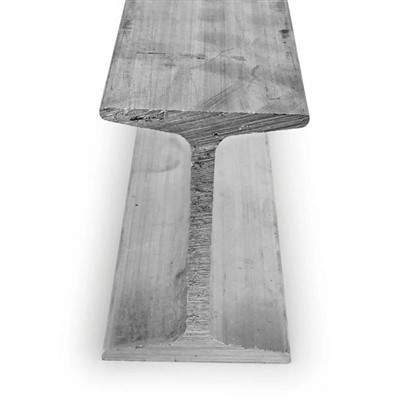
So, why should you care about preventing SCC in stainless steel bars? Well, for starters, stainless steel is known for its durability and resistance to corrosion. But SCC can undermine these qualities, leading to premature failure of the bars. This can result in costly repairs, replacements, and even safety hazards. As a supplier, I want to make sure my customers get the most out of their stainless steel bars, and that means preventing SCC.
Now, let’s talk about the factors that contribute to SCC. There are three main things you need to consider: the material itself, the stress on the bars, and the environment they’re in.
Material Selection
The type of stainless steel you choose plays a huge role in its resistance to SCC. Not all stainless steels are created equal. Some grades are more prone to SCC than others. For example, austenitic stainless steels, like 304 and 316, are widely used because they’re corrosion-resistant. But they can be susceptible to SCC in certain environments, especially those with chloride ions.
On the other hand, duplex stainless steels, such as 2205, have better resistance to SCC. They have a two-phase microstructure that gives them a good balance of strength and corrosion resistance. So, when you’re selecting stainless steel bars, it’s important to choose the right grade for your specific application. If you’re not sure which grade is best for you, don’t hesitate to reach out to me. I can help you make an informed decision based on your needs.
Controlling Stress
Stress is another major factor in SCC. Tensile stress can come from a variety of sources, such as manufacturing processes, installation, or external loads. Residual stress from welding, for example, can make the bars more vulnerable to SCC.
To control stress, you can use several techniques. One option is to use heat treatment. Annealing the stainless steel bars can relieve residual stress and improve their resistance to SCC. Another approach is to design your structures in a way that minimizes stress concentrations. For instance, you can avoid sharp corners and notches, which can act as stress raisers.
During installation, it’s also important to ensure that the bars are properly aligned and supported. Over-tightening bolts or using excessive force can introduce unnecessary stress. So, make sure your installation team follows the recommended procedures.
Environmental Management
The environment in which the stainless steel bars are used is crucial. Chloride ions, in particular, are a common culprit in SCC. They can be found in seawater, de-icing salts, and some industrial processes. To prevent SCC, you need to manage the exposure of the bars to these corrosive substances.
One way to do this is by using protective coatings. There are various types of coatings available, such as epoxy or polyurethane coatings, that can provide a barrier between the stainless steel and the corrosive environment. However, it’s important to choose a coating that is compatible with the stainless steel and the specific application.
Another option is to control the pH of the environment. Some corrosive environments can be made less aggressive by adjusting the pH. For example, in a water-based system, adding a pH buffer can help reduce the risk of SCC.
In addition, regular inspection and maintenance are essential. You should check the bars for signs of corrosion or cracking on a regular basis. If you notice any issues, you can take corrective action before they become major problems.
Best Practices for Prevention
Here are some best practices that I recommend for preventing SCC in stainless steel bars:
- Proper Storage: Store the bars in a dry, clean environment. Avoid exposing them to moisture and corrosive substances before installation.
- Surface Finish: A smooth surface finish can reduce the risk of SCC. Make sure the bars have a proper surface treatment to minimize the formation of pits and crevices, which can trap corrosive substances.
- Monitoring: Set up a monitoring system to keep track of the environmental conditions and the condition of the bars. This can help you detect any potential issues early on.
- Training: Make sure your employees or contractors are trained on the proper handling, installation, and maintenance of stainless steel bars. This can prevent mistakes that could lead to SCC.
Conclusion

Preventing stress corrosion cracking in stainless steel bars is not rocket science, but it does require some attention to detail. By choosing the right material, controlling stress, and managing the environment, you can significantly reduce the risk of SCC. As a stainless steel bar supplier, I’m here to help you every step of the way. Whether you need advice on material selection, installation, or maintenance, I’ve got you covered.
Steel Bar If you’re in the market for high-quality stainless steel bars and want to ensure they’re protected from SCC, don’t hesitate to get in touch. Let’s have a chat about your project and find the best solutions for you. I’m confident that together, we can make your stainless steel projects a success.
References
- ASM Handbook, Volume 13A: Corrosion: Fundamentals, Testing, and Protection.
- Stainless Steel World magazine articles on stress corrosion cracking.
- Technical papers from the American Society of Mechanical Engineers (ASME) related to stainless steel corrosion.
Shanxi Midas Industrial Co., Ltd.
We’re known as one of the most professional stainless steel bar manufacturers and suppliers in China. With abundant experience, we warmly welcome you to buy cheap stainless steel bar made in China here from our factory. For price consultation, contact us.
Address: 28th, Huanqiu Jinrong Zhongxin, Xieyuan Road, Changfeng Business District, Taiyuan City, Shanxi Province, China
E-mail: midassteel@163.com
WebSite: https://www.midassteel.com/
